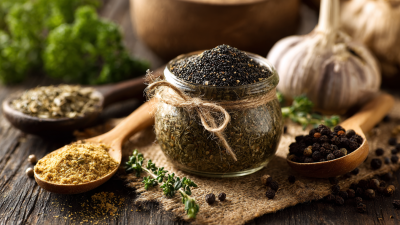
2025 Top Flavor Trends to Watch for in Food and Beverage Industry
As we look ahead to 2025, the food and beverage industry is poised to witness an evolution in flavor trends that will not only tantalize taste buds but also redefine consumer experiences. According to the Institute of Food Technologists, over 70% of consumers are seeking new flavor experiences, a statistic that underscores the growing demand for innovation in this competitive market. Industry expert Dr. Lisa Smith, a renowned flavorist, emphasizes the significant impact of these trends, stating,
"The palette of tomorrow will be defined by bold, adventurous flavors that connect deeply with cultural narratives."
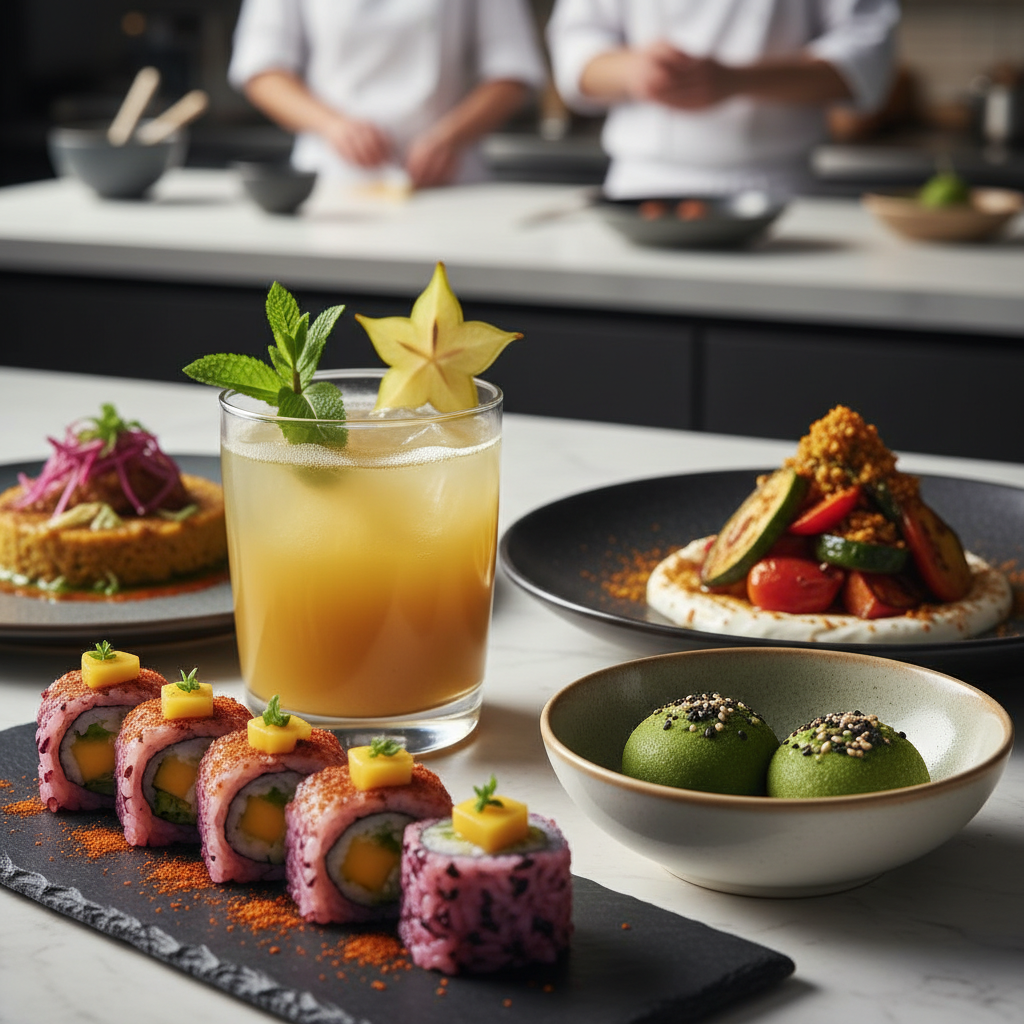
In 2025, we can expect to see a shift towards global flavors, with an increased focus on authenticity and sustainability. The demand for plant-based and naturally sourced ingredients is on the rise, supported by a recent survey from Mintel indicating that 58% of consumers are actively looking for plant-derived alternatives. As flavor trends continue to evolve, brands that leverage these insights will be better positioned to cater to the discerning tastes of modern consumers and foster brand loyalty.
Understanding and anticipating these flavor trends is essential for industry players aiming to stay relevant. With the right blend of creativity and strategy, the future promises exciting opportunities for culinary innovation, pushing the boundaries of traditional taste and engaging global audiences like never before.
Emerging Flavor Profiles in 2025: A Comprehensive Overview
As we look toward 2025, the food and beverage industry is gearing up for a significant shift in flavor profiles that cater to evolving consumer preferences. According to a recent report by Mintel, 68% of global consumers express a willingness to experiment with new flavors, signaling a ripe opportunity for brands to innovate. Emerging flavor trends such as umami, earthy botanicals, and international spices are set to dominate the marketplace, reflecting a deepening appetite for diverse, bold tastes.
Moreover, a study by Nielsen highlights that 45% of consumers are increasingly inclined to purchase products that incorporate unique and unexpected flavor combinations. This trend is evident in the rise of savory snacks infused with herbs and spices that were traditionally reserved for gourmet cooking. As plant-based diets continue to gain traction, flavors that enhance the umami experience—like miso and fermented ingredients—are becoming vital in crafting appealing offerings for both vegan and flexitarian consumers. With these insights, brands must stay ahead of the curve, leveraging emerging flavor profiles to create memorable and appealing products.
Global Influences Shaping Flavor Trends in Food and Beverages
The food and beverage industry is increasingly influenced by global trends that shape consumer preferences and flavor innovations. One noteworthy phenomenon is the rise of bubble tea, which originated in Taiwan during the 1980s and has now become a global sensation. This drink uniquely combines tea with chewy tapioca pearls or various toppings, offering consumers a customizable experience. As cultures collide, flavors that bring unique textures and tastes—from the chewy pearls of bubble tea to diverse global spices—spark interest and creativity in product development.
Tips for industry players: Embrace cultural trends by incorporating globally-inspired flavors into your product offerings. For instance, experimenting with different tea bases or infusions can cater to diverse taste preferences. Additionally, inviting customer participation in flavor creation—such as limited-time offers where customers vote on new toppings—can drive engagement and enhance customer loyalty.
Looking forward, the flavor market is predicted to grow significantly, with the global food flavor sector projected to reach $27.15 billion by 2033. Brands must remain agile and responsive to emerging trends, particularly those fueled by social media and shifting consumer expectations. Innovations with functional ingredients that not only tantalize the palate but also promote health benefits will likely take center stage as we approach 2025.
The Rise of Plant-Based Flavors: Health and Sustainability Trends
The food and beverage industry is witnessing a significant shift towards plant-based flavors, fueled by growing consumer awareness regarding health and sustainability. As more people adopt plant-centric diets, flavors derived from fruits, vegetables, herbs, and spices are gaining prominence. This movement not only caters to a health-conscious audience seeking natural ingredients but also aligns with environmental goals, reducing the carbon footprint associated with animal agriculture. Brands are experimenting with innovative combinations, enhancing traditional flavors with plant-based twists, making them more appealing to a broader audience.
Moreover, the trend goes beyond just the taste; it encompasses holistic well-being. Consumers are increasingly interested in transparency, looking for products that not only taste good but also contribute to their health. Plant-based flavors are often perceived as cleaner and healthier alternatives, providing essential nutrients and antioxidants. This shift signifies a larger cultural transformation where culinary practices not only prioritize taste and convenience but also the planet’s health. As a result, businesses that embrace and innovate around plant-based flavors are likely to thrive in an increasingly conscious consumer market.
2025 Top Flavor Trends in Food and Beverage Industry
Innovative Pairings: Combining Unconventional Ingredients for Novel Tastes
As we look ahead to 2025, the food and beverage industry is poised for a surge in innovative pairings that combine unconventional ingredients, creating novel taste experiences that excite the palate.
According to recent research conducted by the Food Institute, nearly 60% of consumers express a desire for unique flavor combinations in their meals, emphasizing a shift toward adventurous dining.
This trend likely stems from an increased interest in global cuisines and a growing consumer appetite for culinary experimentation.
One notable example is the incorporation of spices like turmeric and sumac into traditional sweets, transforming desserts into health-conscious indulgences.
Data from Mintel's 2023 Global Food and Drink Trends report indicates that products featuring unexpected ingredient blends, such as chocolate with chili or avocado with lime, have seen a remarkable 45% increase in new product launches over the past year.
This push toward fusion has inspired chefs and producers alike, encouraging them to explore the boundaries of flavor and texture in ways that challenge conventional cooking norms.
As consumers become more adventurous, the future of food promises to be as diverse and exciting as the palates that seek it.
Cultural Inspirations: Regional Flavors Making Waves in 2025
In 2025, the food and beverage industry will witness a vibrant tapestry of regional flavors emerging as cultural inspirations take center stage. As consumers increasingly seek authentic culinary experiences, flavors from diverse cultures are making significant waves. The revival of traditional ingredients combined with modern culinary techniques is set to create dynamic pairings that reflect a melting pot of influences. For instance, the bold spices of North African cuisine, such as harissa and preserved lemons, are being incorporated into mainstream dishes, offering a new layer of complexity and excitement.
Furthermore, the growing interest in sustainability is driving the exploration of indigenous flavors, as more brands tap into local ingredients that tell a story of heritage and place. The popularity of Latin American street food, like arepas and ceviche, showcases the rich tapestry of flavors that consumers are eager to embrace. These regional inspirations not only satisfy the palate but also resonate with consumers' desires for transparency and a deeper connection to the origins of their food. As culinary boundaries blur, 2025 promises to be a year defined by rich, cultural flavors that inspire innovation and creativity in the kitchen.
2025 Top Flavor Trends to Watch for in Food and Beverage Industry
| Region |
Flavor Profile |
Key Ingredients |
Applications |
| Southeast Asia |
Spicy and Tangy |
Chili, Tamarind, Lime |
Sauces, Snacks, Drinks |
| Middle East |
Savory and Herbaceous |
Sumac, Za'atar, Pomegranate |
Dips, Mezes, Marinades |
| Latin America |
Fruity and smoky |
Chipotle, Mango, Cilantro |
Salsas, Tacos, Beverages |
| South Asia |
Complex and Spicy |
Cardamom, Clove, Curry Leaves |
Curries, Stews, Snacks |
| North Africa |
Warm and Earthy |
Cumin, Coriander, Harissa |
Tagines, Couscous, Spreads |
 Blog
Blog