2025 Top Trends in Artificial Flavoring: What You Need to Know
As we look ahead to 2025, the world of artificial flavoring is poised for significant transformations that promise to reshape our culinary experiences. According to Dr. Rebecca Langston, a leading expert in the artificial flavoring industry, “The innovations on the horizon will not only enhance flavor profiles but also address consumer demands for transparency and sustainability.” With growing consumer awareness and interest in clean labeling, the artificial flavoring sector must adapt to these changing preferences by exploring novel ingredients and sustainable sourcing practices.
In this evolving landscape, understanding the top trends in artificial flavoring is crucial for both manufacturers and consumers. As new technologies emerge, they will offer opportunities for creating flavors that not only satisfy taste buds but also align with health-conscious lifestyles. This article will delve into the essential trends defining the future of artificial flavoring, highlighting the importance of innovation while maintaining an ethical approach to flavor development. Whether you're a producer in the food industry or simply a curious consumer, knowing these trends will be vital as we navigate the future of food flavoring.

Emerging Technologies in Artificial Flavoring for 2025
The landscape of artificial flavoring is set to undergo significant transformations by 2025, driven primarily by emerging technologies that enhance flavor creation and delivery. In a recent report by MarketsandMarkets, the artificial flavor market is projected to reach USD 5.4 billion by 2025, growing at a CAGR of 4.8% between 2020 and 2025. This growth is largely attributed to advancements in flavoring techniques and the increasing demand for innovative food products that cater to diverse consumer preferences.
One of the most notable technological advancements is the rise of biotechnology in flavor development. Biotechnological methods allow for the modification of flavor compounds through microbial fermentation, leading to more sustainable production processes. According to a report by Research and Markets, the biotechnological approach could reduce flavor production costs by up to 30%, while also allowing for the creation of more complex flavor profiles that align with consumer desires for natural-tasting ingredients. Furthermore, the integration of artificial intelligence in flavor formulation is becoming increasingly prevalent. AI-driven tools can analyze trends and consumer feedback, enabling companies to develop flavors that resonate with market demands more efficiently.
Additionally, the trend towards plant-based and clean-label products is reshaping the artificial flavoring sector. As consumers are becoming more health-conscious, the use of natural flavor enhancers derived from plants is on the rise. This shift is backed by a study from the Flavor Research Institute, which indicates a 40% increase in demand for natural flavors over artificial ones, pushing manufacturers to innovate while maintaining transparency and quality in their ingredient sourcing. Overall, these emerging technologies promise to revolutionize the artificial flavoring industry, making it more versatile, efficient, and aligned with contemporary consumer preferences.
2025 Top Trends in Artificial Flavoring: What You Need to Know
| Trend |
Description |
Technology |
Impact |
| Sustainable Sourcing |
Focus on eco-friendly methods to obtain flavor ingredients. |
Biotechnology and Renewable Resources |
Reduction in environmental impact and improved brand image. |
| Personalization |
Customized flavors based on consumer preferences and health needs. |
Data Analytics and AI |
Increased consumer satisfaction and loyalty. |
| Clean Labeling |
Transparency in ingredient lists, avoiding synthetic additives. |
Natural Extraction Techniques |
Enhanced safety perception and consumer trust. |
| Fermentation |
Utilizing fermentation to create unique taste profiles. |
Microbial Technology |
Innovative flavor development methods and enhanced nutrition. |
| Ethical Practices |
Commitment to fair trade and humane sourcing practices. |
Blockchain and Supply Chain Technology |
Increased consumer trust and enhanced corporate responsibility. |
Key Market Drivers Shaping the Future of Artificial Flavoring
The artificial flavoring industry is being profoundly influenced by several key market drivers, which are shaping its trajectory toward 2025. One significant factor is the increasing consumer demand for convenience foods. According to a report from Allied Market Research, the global artificial flavor market was valued at approximately $1.1 billion in 2020 and is expected to reach over $1.6 billion by 2027, growing at a CAGR of 5.5%. This growth is largely fueled by busy lifestyles, prompting consumers to seek ready-to-eat and easy-to-prepare food options, thereby amplifying the need for appealing flavor enhancements.
 Moreover, innovation in food technology is another crucial driver propelling the artificial flavoring market. With advancements in extraction and formulation techniques, manufacturers are now able to develop more sophisticated flavor profiles that cater to specific consumer preferences. According to a research report by Mordor Intelligence, the advancements in artificial flavoring technologies are projected to facilitate a more significant adoption of these products across various sectors, including the beverage industry, which is anticipated to witness a substantial spike in artificial flavor usage. As companies invest in research and development to create unique and customized flavor experiences, the market is likely to become increasingly competitive, further enhancing growth prospects through 2025 and beyond.
Consumer Preferences: Demand for Natural vs. Synthetic Flavors
As we move toward 2025, consumer preferences are increasingly shaping the landscape of artificial flavoring, particularly the ongoing debate between natural and synthetic flavors. According to the "Flavor Industry Insights Report 2023," the market for natural flavors is projected to grow at a CAGR of 8.2%, while synthetic flavors are expected to see a growth rate of only 3.5%. This discrepancy indicates a significant shift as consumers become more health-conscious and environmentally aware, favoring products with recognizable ingredients.
The demand for natural flavors is not merely a passing trend. Studies show that 62% of consumers prefer natural ingredients over synthetic alternatives when making food and beverage choices. This preference is primarily driven by a desire for authenticity and transparency in product labels. Additionally, younger generations, particularly Millennials and Gen Z, are influencing this trend with their habits of scrutinizing ingredient lists and seeking out brands that promote sustainability.
**Tips for Flavor Manufacturers:**
To stay ahead in this evolving market, companies should consider reformulating products to include more natural flavors while highlighting transparency in sourcing and production methods. Engaging in consumer education on the benefits of natural flavors versus synthetic alternatives can also enhance brand loyalty. Finally, investing in consumer research to keep abreast of changing preferences will be crucial for future product development.
2025 Top Trends in Artificial Flavoring: Consumer Preferences
Regulatory Changes Impacting Artificial Flavoring Production
The landscape of artificial flavoring production is undergoing significant changes due to new regulatory measures. Recent reports indicate that regulatory bodies around the world are tightening their guidelines to ensure consumer safety and environmental sustainability. The Food and Drug Administration (FDA) in the United States, for instance, has proposed updated standards that limit the use of certain synthetic compounds regarded as potentially harmful. This shift is reflected in the 2023 Flavor Industry Report, which highlighted a 15% increase in compliance costs for producers adapting to the new regulations.
Furthermore, the European Food Safety Authority (EFSA) has introduced stricter assessments for flavoring substances, which now require extensive scientific evaluations before approval. As a result, companies are investing significantly in R&D to develop new products that align with these regulations. A study from the International Flavors and Fragrances Association (IFFA) predicted that compliance-related innovations could lead to an increase in market demand for naturally derived flavoring alternatives, potentially expanding that segment by 20% over the next three years.
These regulatory changes not only impact production practices but also increase collaboration across the supply chain. Manufacturers are now working closely with scientists and regulatory experts to navigate the complexities of compliance while maintaining product integrity. As companies adapt to these evolving regulations, the artificial flavoring industry is expected to see a transformation that prioritizes safety, transparency, and sustainability, aligning with the growing consumer demand for products with clean labels and responsibly sourced ingredients.
Sustainability Trends in Flavor Development and Sourcing
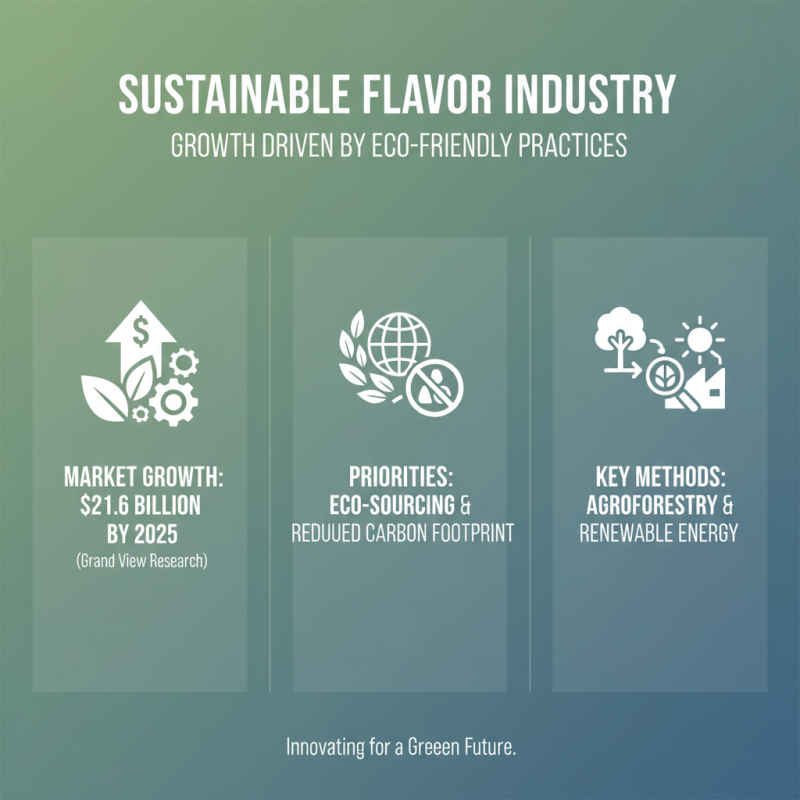
In recent years, the focus on sustainability in flavor development and sourcing has become increasingly important within the food and beverage industry. According to a report by Grand View Research, the global artificial flavors market is expected to reach $21.6 billion by 2025, with sustainability practices driving the growth. Industry stakeholders are now prioritizing environmentally-friendly sourcing methods and reducing the carbon footprint of flavor production. For example, the adoption of agroforestry practices and the use of renewable energy sources in flavor extraction processes are becoming more common among manufacturers.
Moreover, consumer demand for transparency in sourcing has influenced companies to adopt traceable and ethical sourcing practices. A survey conducted by the Flavor and Extract Manufacturers Association (FEMA) revealed that over 70% of consumers prefer products with natural flavoring derived from sustainable sources. This trend underscores a shift towards using plant-based ingredients and minimizing the use of synthetic additives. As companies embrace these practices, data shows a notable increase in partnerships with local farmers and suppliers, promoting biodiversity and supporting local economies while ensuring flavor quality and authenticity.
As the market evolves, advancements in biotechnology and fermentation are also paving the way for innovative sustainable flavoring solutions. A 2022 report by Mordor Intelligence highlighted that the biotechnology segment is expected to grow at a CAGR of 8% over the next five years. This growth is driven by the quest for flavors that are not only sustainably sourced but also produced through processes that minimize waste and energy consumption. As we move toward 2025, the intersection of sustainability and flavor development is likely to define the future of the artificial flavoring industry.
 Blog
Blog