2026 Best Flavor Trends to Watch Out For in Food and Beverages?
As we look toward 2026, the food and beverage industry is brimming with exciting flavor trends. These trends reflect changing consumer preferences and a growing interest in unique taste experiences. Expert flavorist Sarah Johnson once stated, "Flavor trends are not just fleeting; they mirror our evolving culture."
Today, consumers seek authenticity. They desire bold and unexpected flavors that tell stories. From spicy fruit combinations to umami-rich profiles, the landscape is shifting. Nostalgic flavors are making a comeback, tapping into emotions and memories. However, not all trends will resonate long-term. Some may falter, requiring brands to adapt quickly.
It's crucial to recognize the potential pitfalls in flavor trends. A strong focus on novelty can overshadow quality. Consumers crave balance, not just excitement. As the industry navigates these dynamics, understanding what resonates is essential. This journey will shape the future of food and beverages.
Emerging Flavor Trends in Global Food and Beverage Markets for 2026
As we approach 2026, the global food and beverage markets are set to see exciting flavor trends emerge. According to a recent report by the International Taste Institute, consumers are increasingly seeking authentic and bold flavors. This desire leads to a rise in fermented foods and beverages. Products like kombucha and kimchi not only offer unique tastes but also provide health benefits. The global market for fermented foods is projected to grow at a CAGR of 7.5% from 2023 to 2028.
Another trend is the influence of global cuisines. Consumers are exploring exotic flavors from different regions. Spices such as za'atar and harissa are gaining popularity. These flavors are transforming traditional dishes into exciting culinary experiences. A Nielsen survey found that 54% of consumers are open to trying new foods, presenting a wealth of opportunities for innovation.
However, it's not all straightforward. Consumers are also becoming more health-conscious. They prefer natural and clean-label options, which can limit the use of artificial additives. Balancing bold flavors with health trends can be challenging for food producers. The upcoming years will require creativity and adaptability in flavor development. It’s clear that the landscape is evolving, and those who can adapt will thrive.
2026 Best Flavor Trends to Watch Out For in Food and Beverages
| Flavor Trend |
Description |
Popularity Indicator |
Market Segment |
| Savory Botanicals |
Incorporating herbs and botanicals that add unique savory notes. |
Rising |
Food |
| Fruit-forward Spices |
Spices that provide a fruity twist, enhancing flavor depth. |
Growing |
Beverages |
| Global Street Food Flavors |
Traditional street food flavors from various cultures. |
Emerging |
Food |
| Hybrid Flavor Combinations |
Unexpected mixes of sweet and savory, or traditional and modern. |
Popular |
Snacks |
| Fermented Flavors |
Flavors from fermented foods, emphasizing health benefits. |
Increasing |
Beverages |
Consumer Preference Shifts: Health-Conscious Choices and Flavor Innovations
As we approach 2026, a strong shift is seen in consumer preferences. Health-conscious choices are dominating the food and beverage landscape. People are now looking for options that not only taste good but also promote wellness. Ingredients that boost immunity and overall health are becoming more popular. Imagine flavorful options infused with turmeric, ginger, or adaptogens. These elements are no longer just for diets; they are transforming our favorite meals and snacks.
Flavor innovations are key in this evolving market. Vibrant flavors like umami and earthy notes from mushrooms are trending. While sweet and salty combinations remain beloved, there’s a growing interest in savory bites. However, executing these ideas perfectly is a challenge. Many brands struggle to balance taste with health benefits. Some products may end up too focused on being "healthy" while sacrificing enjoyment.
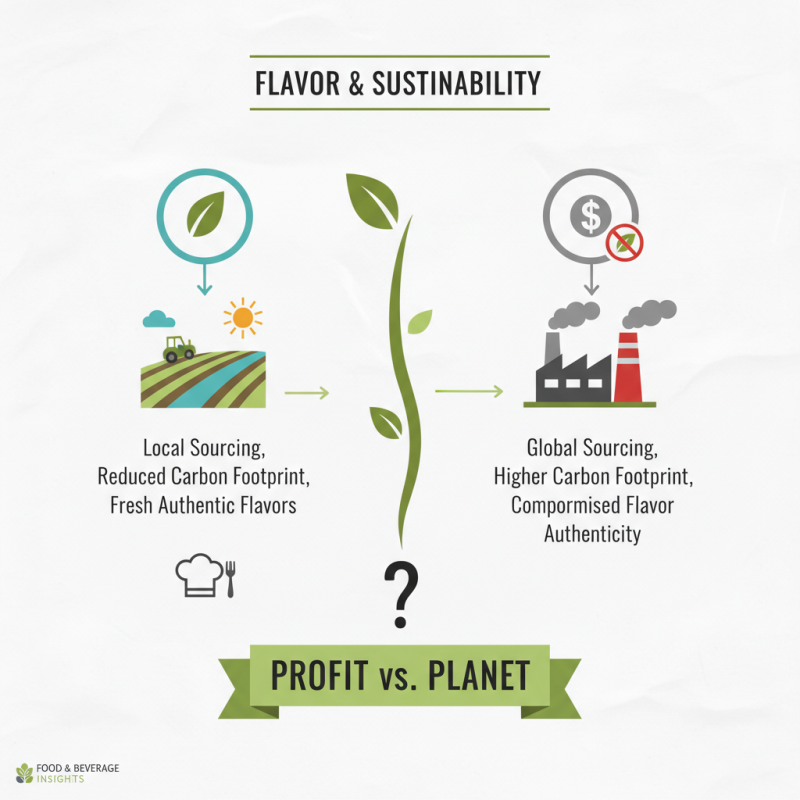
Exploring local and seasonal ingredients can enhance these flavors. Yet, connecting with the community is sometimes overlooked. The demand for authenticity in flavors is rising, but not all businesses meet that expectation. This signals a need for reflection and improvement in recipe development and sourcing methods. Striking the right balance between taste and health is essential for the future of food.
The Rise of Ethnic and Regional Flavors in 2026 Culinary Experiences
In 2026, ethnic and regional flavors are becoming essential in the food and beverage industry. The increasing multicultural population is driving this shift. According to a recent report, 58% of consumers crave authentic international tastes. This demand for genuine flavors is reshaping menus everywhere.
Dishes inspired by Middle Eastern, African, and Southeast Asian cuisines are capturing attention. For instance, fermented ingredients from Korea and spices from North Africa are making waves. A survey indicated that 72% of chefs plan to incorporate more global elements in their offerings. Yet, some may struggle to balance authenticity and local preferences.
Foodies are eager to explore new tastes. However, not all brands understand these diverse palates. There’s a risk of oversimplifying complex flavors. This may lead to disappointment among diners seeking genuine experiences. More culinary education is needed to bridge this gap. In a world craving innovation, we must not forget the roots of flavor.
2026 Best Flavor Trends in Food and Beverages
This chart represents the anticipated popularity index of various ethnic and regional flavors in the culinary landscape of 2026. Each flavor category showcases its projected appeal, reflecting the growing trend towards diverse and globally inspired culinary experiences.
Technological Advancements Shaping Flavor Profiles and Consumer Engagement
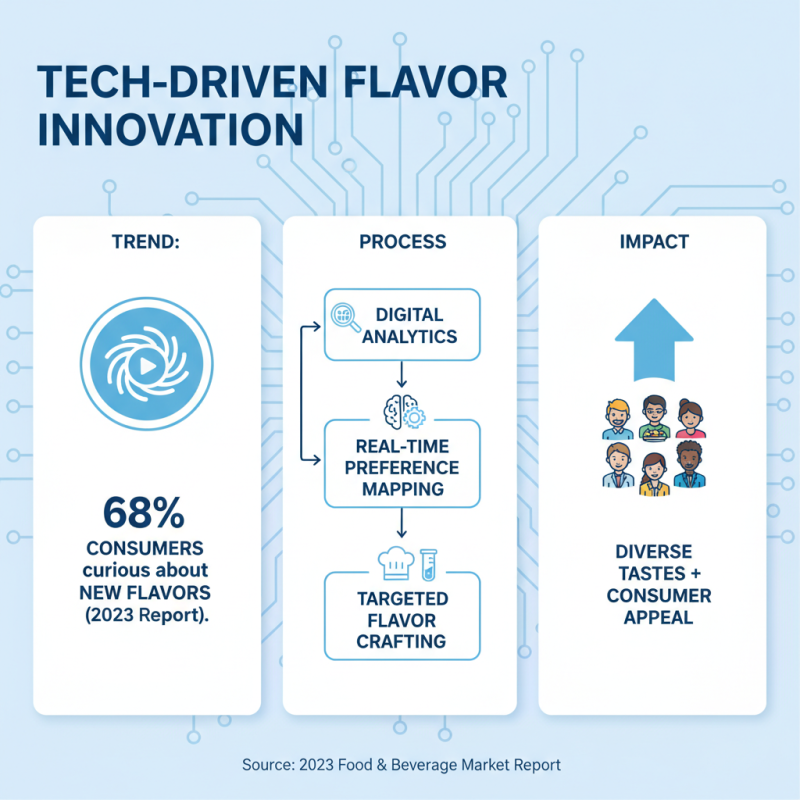
In recent years, technological advancements have undeniably transformed flavor profiles in the food and beverage industry. A 2023 market report suggested that 68% of consumers are intrigued by innovative flavors. Digital tools allow brands to analyze consumer preferences in real-time. This data helps in crafting flavors that resonate with target audiences while appealing to diverse taste palates.
AI and machine learning also play pivotal roles. These technologies help in predicting flavor trends by analyzing social media conversations. For instance, a leading research firm noted that 55% of new product developers rely on these insights to create better flavors. However, there is a significant challenge. As companies push boundaries, they must ensure that new flavors are not just trendy, but also align with consumer health preferences. Balancing innovation with authenticity proves to be a complex task.
Consumer engagement is evolving alongside these advancements. Interactive platforms enable consumers to suggest and vote on new flavors. This participatory approach has gained traction, with 47% of consumers stating they prefer brands that involve them in the development process. Yet, this engagement raises a question: do all companies genuinely listen to consumer input, or is it merely a marketing tactic? The industry must navigate this fine line carefully as it embraces the future of flavor.
 Blog
Blog