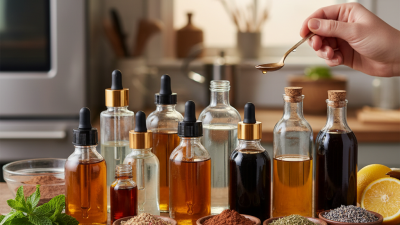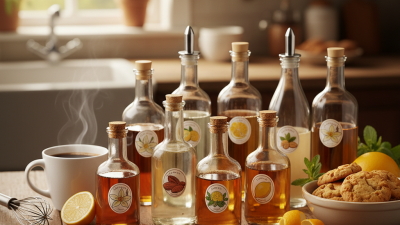
In 2026, global buyers will evaluate flavor extracts beyond aroma strength. They will examine authenticity, stability, traceability, and regional consumer expectations. Vanilla, citrus, coffee, botanical, fruit, spice, and smoke-inspired profiles will compete across beverages, bakery, dairy alternatives, confectionery, and functional foods.
Flavorist John Wright, author of Flavor Creation, has emphasized a practical principle: “A successful flavor must survive the whole product, not just the first sip.” That idea remains highly relevant. An extract may smell impressive in a laboratory vial, yet fade after pasteurization, refrigeration, light exposure, or contact with acidic ingredients. Buyers need application data, not attractive descriptions alone. They should request batch consistency records, allergen statements, origin details, and clear guidance on natural or nature-identical labeling.
Real-world testing matters.
This guide explores the top types of flavor extracts shaping international purchasing decisions in 2026. It considers concentrated vanilla extracts, bright citrus oils, cold-brew coffee extracts, botanical blends, berry concentrates, and emerging savory profiles. Each category offers advantages, but none works everywhere. Citrus can lose freshness. Botanicals may become bitter. Natural extracts can vary by harvest and supplier.
That uncertainty deserves attention. A perfect global ranking may not exist because climate, regulation, culture, and formulation goals differ. Reliable sourcing therefore depends on transparent documentation, sensory trials, and honest communication between buyers and manufacturers. The strongest suppliers will not promise universal performance. They will show where an extract works, where it struggles, and how carefully it should be used.
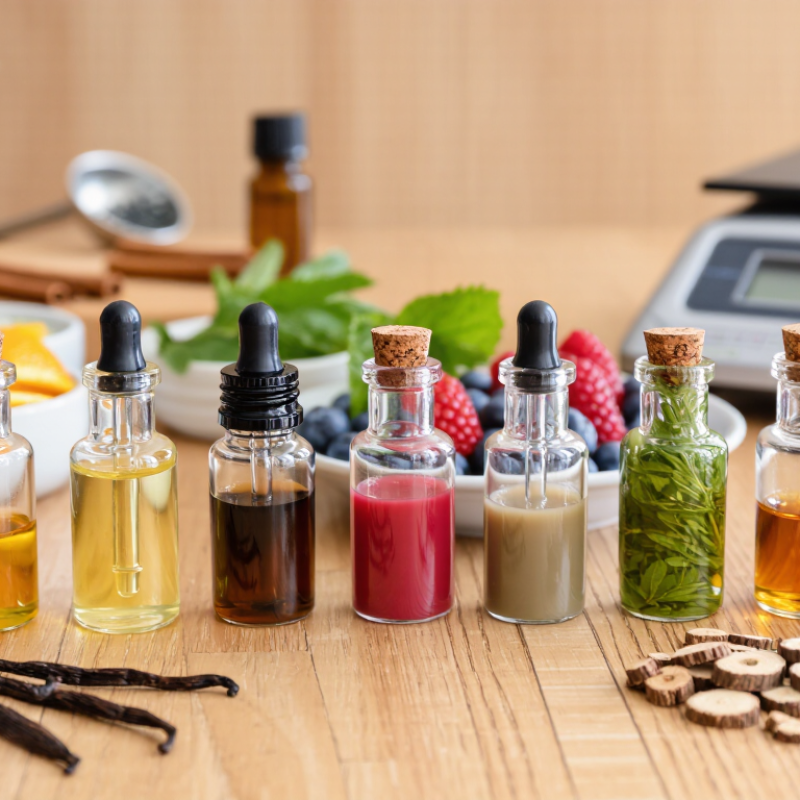
Flavor extracts are concentrated preparations used to give food and beverages a recognizable taste or aroma.
They may come from fruits, herbs, spices, seeds, dairy materials, or other edible sources. During production, manufacturers separate desirable flavor compounds from raw materials using approved extraction methods. The result can be liquid, paste, or powder.
For global buyers, classification starts with origin.
Natural extracts come from identifiable plant or animal materials, while nature-identical or artificial flavorings follow different regulatory definitions. These terms vary between markets, so documentation matters. Extracts can also be classified by carrier and solubility. Water-soluble types suit beverages and syrups. Oil-soluble types perform better in fats, creams, and baked fillings. Powdered extracts often improve storage and transport.
Application changes the buying decision.
A citrus extract may need strong aroma release in a clear drink. A vanilla extract may require heat stability in a baked product. Buyers should check concentration, recommended dosage, shelf life, allergen information, microbiological limits, and the certificate of analysis. Packaging also deserves attention. Light, oxygen, and repeated opening can weaken delicate notes.
The categories are useful, but not perfect.
Some extracts fit several groups at once. A natural powder may still contain a carrier, and a “strong” extract may taste unbalanced at high dosage. Small pilot trials remain essential before large orders. Supplier records should match the final market’s labeling and safety requirements. Mistakes often begin with vague specifications.
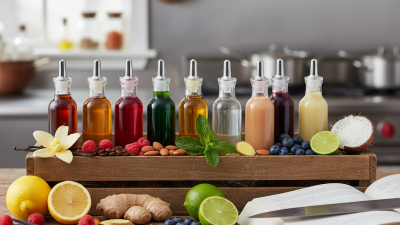
In 2026, global buyers are giving natural flavor extracts closer technical attention. Demand is growing for recognizable, plant-based flavor profiles. Botanical extracts include mint, rosemary, ginger, and floral ingredients. They can add freshness, warmth, or a mild herbal note.
Citrus extracts, such as lemon, orange, and lime, suit beverages, sauces, and bakery products. Spice extracts provide concentrated character without adding visible particles. Fruit extracts can deliver familiar notes, but their color and acidity may shift during storage.
In pilot work, extraction method often affects aroma strength and shelf stability. Water-based extracts may suit clean-label applications, while other approved food-grade processes can improve flavor concentration. Buyers should review the certificate of analysis, allergen statement, origin, and recommended dosage. A stable flavor in a laboratory sample may behave differently in a finished drink. That detail is easy to miss. A first trial can still fail because of heat, oxygen, or an acidic formula. I have found that sensory testing at several storage points gives more useful evidence than one impressive sample.
Tips: Ask for a small production sample before placing a large order. Compare the flavor at the intended dosage, not at a higher showcase level. Check whether the extract matches your local labeling requirements.
Record aroma, color, solubility, and aftertaste after processing. Also question unusually strong claims. Natural does not always mean stable, simple, or suitable for every application.
2026 Top Types of Flavor Extracts for Global Buyers
Synthetic and nature-identical flavor extracts remain important for buyers seeking stable taste profiles.
Synthetic flavors are produced through controlled chemical processes. They can deliver consistent notes, such as vanillin, ethyl maltol, or citrus aldehydes. Their performance often remains steady across heat, acidity, and storage conditions.
This matters in baked goods, beverages, dairy alternatives, and confectionery products. However, “extract” may be used loosely in commercial descriptions. Buyers should confirm whether the material is a true extract, a compound, or a blended flavor preparation.
Nature-identical flavors are designed to match molecules found in natural sources.
Their sensory profile can resemble ripe fruit, warm spices, or fresh herbs. They usually offer better batch consistency than many natural extracts. They may also reduce pressure on seasonal crops and supply chains.
A practical evaluation includes aroma at room temperature, taste after heating, and stability in the final recipe. Small differences become clear in a clear drink or a lightly sweetened filling.
Documentation deserves close attention. Ask for composition details, allergen statements, safety data, origin information, and permitted-use guidance for each target market.
Testing can include chromatographic analysis, sensory panels, and accelerated storage trials. “Stable” is not universal. A flavor that performs well in syrup may fade in an acidic beverage.
I have found that cost comparisons can also mislead when dosage, packaging, and shelf life are ignored. The cheapest material is not always the most efficient choice.
Nature-identical categories still require careful review, because definitions and labeling expectations differ between countries.
In 2026, global buyers will compare flavor extracts by source, physical form, and intended use. Botanical sources include vanilla, citrus peel, mint, herbs, and spices. Fruit extracts can provide bright notes, while roasted or fermented sources create deeper profiles. Natural origin does not automatically mean better performance. Composition, traceability, and batch consistency still matter.
Liquid extracts dissolve easily in many beverage and bakery systems. Oil-soluble versions suit fat-based products, but they may separate in water. Emulsions help distribute citrus and other oils through clear drinks. Powdered extracts offer easier transport and longer handling stability. Encapsulated powders can protect delicate aromas during baking. I have seen buyers overlook carrier materials, then face unexpected taste or labeling questions.
Application changes the purchasing decision. A beverage needs clarity, suspension control, and resistance to acidity. Bakery fillings require heat tolerance and dependable flavor after storage. Dairy-style products may need low-temperature stability and compatibility with proteins. Savory foods often benefit from spice, smoke, roasted, or vegetable extracts.
Buyers should request technical data, allergen statements, origin records, and sensory samples from several batches. Testing at the final dosage is essential. Bench samples can mislead. A flavor that works in water may fail in a sweetened, heated, or high-fat recipe.
Cost comparisons should include dosage, waste, freight, and storage conditions. Suppliers should also explain whether the extract contains solvents, carriers, or preservatives permitted in the target market.
2026 Top Types of Flavor Extracts for Global Buyers?
Global buyers usually compare natural, nature-identical, and botanical extracts by application, not labels alone. Citrus, vanilla, coffee, spice, and herb extracts remain widely used in beverages, bakery, dairy, and nutraceutical products. Grand View Research estimates the global food flavors market could grow at about 5.7% annually from 2024 to 2030. That growth increases pressure on suppliers to prove consistency, not only offer attractive samples.
Quality assessment starts with identity testing, sensory references, microbiological limits, allergen declarations, and solvent-residue results. A current certificate of analysis should match the exact batch number. It should also show manufacturing and expiry dates. Buyers should verify whether “natural” has the same legal meaning in each destination. For example, United States and European Union requirements differ, including rules under 21 CFR 101.22 and Regulation (EC) No. 1334/2008. Independent audits based on recognized food-safety systems add stronger evidence.
Supply reliability needs deeper checks. Buyers should review lead times, minimum order quantities, seasonal risks, packaging protection, and recall procedures. MarketsandMarkets’ 2024 flavor and fragrance report projects continued market expansion above 4% annually, but growth does not remove supply shocks. A perfect-looking COA is not proof of stable production. In procurement reviews, small sensory differences often appear after scale-up. That is the uncomfortable part. Dual sourcing, retained samples, and quarterly specification reviews can reduce surprises, although they cannot eliminate them.
(Your form has been submitted.)
We'll be in touch soon! Until then, take a look around — you never know what you'll find!