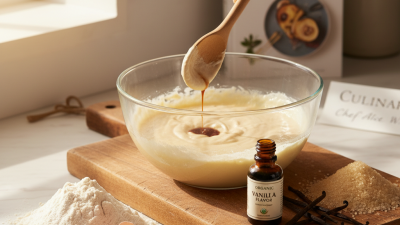
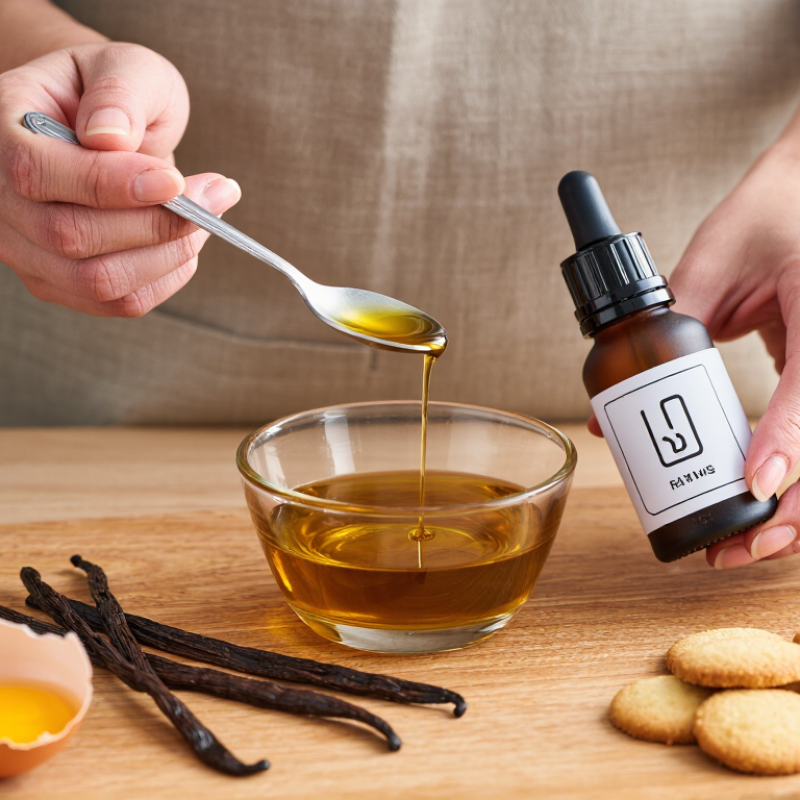
“French vanilla” describes a flavor profile, not necessarily a French origin. It usually suggests a custard-like taste, with creamy, rounded notes. True vanilla extract comes from vanilla beans extracted in water and alcohol. Vanilla flavoring may use vanillin, other flavor compounds, or less vanilla material.
In the United States, FDA regulation 21 CFR 169.175 requires vanilla extract to contain at least 35% alcohol by volume. Check the label carefully. Look for “vanilla extract,” not only “vanilla flavor.” Review the ingredient list. Vanilla bean extractives, water, and alcohol are useful signals. Added sweeteners can change baking results.
Origin matters, but it does not guarantee quality. A 2024 USDA Foreign Agricultural Service report identified Madagascar as the dominant vanilla-exporting origin, supplying roughly four-fifths of global trade. Ask whether the label states the bean origin, species, or harvest information. Check the alcohol percentage. Compare bottle sizes and prices per fluid ounce. Dark color is not proof of strength.
I once chose the darkest bottle and overestimated its quality. That was careless.
Industry demand remains substantial. Technavio’s 2024 vanilla-market outlook projects growth of more than one billion dollars through 2028, driven partly by bakery and dairy applications. Use that trend carefully; market growth does not make every bottle better.
Smell the extract if possible. It should suggest warm vanilla, not sharp solvent notes. Store it tightly closed, away from heat and sunlight. “French” can be appealing. The ingredient panel still deserves the final word.