Are Artificial Flavorings Safe for Global Food Supply Chains?
The safety of artificial flavoring is a critical concern in today’s global food supply chains. As consumer demand increases for flavored products, many manufacturers turn to artificial flavoring to boost taste and appeal. These synthetic additives can enhance a product's flavor profile significantly. However, the long-term effects of consuming these chemicals remain largely unclear.
Some studies suggest potential health risks associated with artificial flavoring. Allergies and sensitivities can emerge, leading to adverse reactions in sensitive individuals. Moreover, questions arise regarding the sourcing and regulation of these flavoring substances. Different countries have varying standards, resulting in inconsistencies that can impact safety.
While artificial flavoring may offer convenience and cost savings, potential drawbacks warrant attention. The challenge lies in balancing consumer desires with health concerns. As the food industry grows, transparency in ingredient usage becomes paramount. Understanding the impact of artificial additives will require collective effort and ongoing research.

Overview of Artificial Flavorings in Global Food Supply Chains
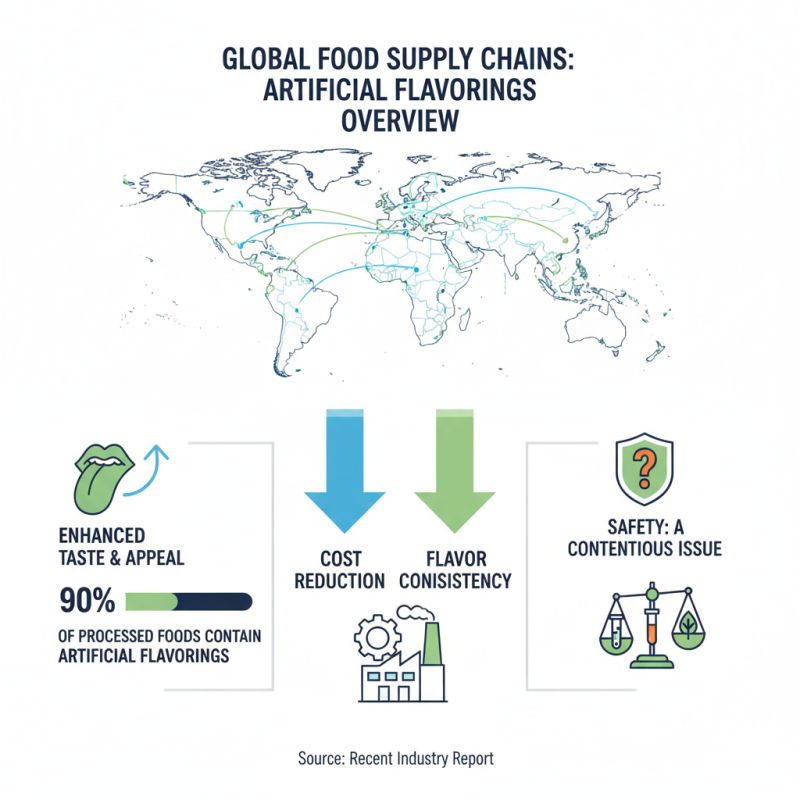
Artificial flavorings play a significant role in global food supply chains. They enhance taste, making products more appealing to consumers. According to a recent industry report, around 90% of processed foods contain some form of artificial flavoring. These flavorings enable producers to create consistent flavors while reducing costs. However, the safety of these additives remains a contentious issue.
Data from the Food and Drug Administration (FDA) highlights that certain artificial flavorings may lead to health concerns. Some studies suggest they are linked to allergic reactions and other health issues. Moreover, about 30% of consumers express worries over food additives, indicating a growing demand for transparency. This skepticism raises questions about sourcing policies and regulatory oversight in food production. Companies often face pressure to disclose ingredients, yet many sidestep this responsibility.
The variability in quality standards across countries complicates the situation further. In regions with strict regulations, artificial flavorings undergo rigorous testing. Conversely, in others, oversight may be minimal, resulting in unsafe products entering the market. This disparity challenges the reliability of global food supply chains. It points to a need for ongoing dialogue on safety standards and consumer rights, particularly as the industry evolves.
Regulatory Standards for Artificial Flavorings Across Countries
Artificial flavorings are prevalent in our global food supply chains. Different countries have varying regulatory standards that reflect their approach to food safety. In the European Union, for instance, strict guidelines regulate the use of these flavorings. Each additive must undergo rigorous assessments. Safety is a top priority.
In contrast, regulations in the United States allow for a broader range of artificial flavors. While deemed safe by the FDA, some critics question long-term effects. The variability in safety standards can be troubling. Countries must consider potential risks to public health.
Furthermore, consumer perception plays a significant role. Many people fear artificial ingredients. This skepticism drives demand for natural alternatives. As food globalization continues, harmonizing regulations may improve safety. This challenge requires collaboration among nations. Addressing these discrepancies is essential for consumer confidence. Exploring flavor safety should not be a low priority. The ongoing dialogue is vital.
Health Implications of Consuming Artificial Flavorings
The safety of artificial flavorings in our food supply chain sparks ongoing debate. Many studies show they can pose health risks. The World Health Organization indicates that consuming certain artificial additives may lead to allergies and hyperactivity in children. A 2018 report from the European Food Safety Authority warns against the long-term effects these chemicals can have on overall health.
Artificial flavorings might be convenient, but they are not without concerns. Some research links them to chronic illnesses. For instance, studies have suggested a correlation between excessive consumption and mood disorders. This evidence highlights the need for ongoing scrutiny of food additives. Moreover, individuals must consider their health conditions when consuming these products.
**Tips:** Read labels carefully. Aim for natural alternatives when possible. Stay informed about new studies. Balance is key in dietary choices. Engaging with trusted nutritional resources can enhance understanding of these ingredients. Remember to question what goes into your food, as awareness fosters healthier decisions.
Health Implications of Consuming Artificial Flavorings
Impact of Artificial Flavorings on Food Quality and Safety
Artificial flavorings are prevalent in many processed foods. Their safety is often debated among experts. While these compounds can enhance flavor, they may also raise concerns regarding food quality and safety.
One major issue is the potential for allergic reactions. Some individuals may react negatively to certain artificial ingredients. These reactions can be mild or severe, depending on the person. Moreover, the long-term health effects are not fully understood. Research is ongoing to assess any lasting impact these flavorings may have on consumers.
Another concern relates to the overall nutritional value of food. Foods rich in artificial flavors may lack essential nutrients. This can lead to imbalanced diets. Consumers often struggle to make informed choices. They may not fully understand the implications of consuming such additives regularly. The challenge lies in balancing taste and health, a task that requires careful consideration by both producers and consumers.
Are Artificial Flavorings Safe for Global Food Supply Chains? - Impact of Artificial Flavorings on Food Quality and Safety
| Aspect |
Impact |
Safety Concerns |
Regulatory Status |
Source of Concern |
| Consumer Perception |
May deter health-conscious consumers |
Potential allergies and sensitivities |
Generally recognized as safe (GRAS) |
Synthetic chemicals and additives |
| Food Quality |
Maintain consistent flavor profiles |
Long-term health effects unknown |
Regulated in many regions |
Artificial colorings and preservatives |
| Supply Chain Impact |
Standardizes production processes |
Risk of over-reliance on artificial additives |
Varying regulations across countries |
Global sourcing and logistics |
| Innovations |
Development of natural alternatives |
Consumer demand for label transparency |
Stricter regulations on labeling |
Emerging health trends |
Consumer Attitudes Towards Artificial Flavorings in Food Products
Consumer attitudes towards artificial flavorings are complex and often conflicting. A recent survey by the International Food Information Council revealed that nearly 70% of consumers are concerned about the effects of artificial ingredients on health. This skepticism can influence purchasing decisions, as many shoppers actively seek out products labeled as "natural" or "free from artificial flavors." Understanding these sentiments is crucial for food manufacturers navigating today's market.
Despite the safety of artificial flavorings, which are regulated by organizations like the FDA, misconceptions persist. A study published in the Journal of Food Science highlighted that about 33% of participants believed that artificial flavors are inherently harmful. Moreover, attitudes vary across demographic groups. Younger consumers tend to be more accepting of these additives, while older generations show greater reluctance. This divide reveals a significant challenge for brands: bridging the gap between science and consumer perception.
Transparency is key to restoring trust. Brands that openly communicate the safety and sourcing of artificial flavorings can positively influence public perception. Yet, the lingering doubts require ongoing education and outreach. The food industry must continually adapt to consumer feedback.
Consumer-driven trends often sway production choices, illustrating the delicate balance between innovation and the need for reassurance in food safety.
 Blog
Blog