Best Organic Flavor Powders for Global Sourcing Needs?
In today’s global marketplace, the demand for high-quality organic flavor powder continues to grow. According to Dr. Emily Carter, a leading expert in food science, "Organic flavor powders are the backbone of natural ingredient sourcing." This statement underscores the importance of these ingredients in creating enticing flavors without artificial additives.
As consumers become more health-conscious, the appeal of organic flavor powders has surged. These products not only enhance taste but also align with a cleaner, more sustainable lifestyle. Sourcing the best options from around the world poses its challenges. Quality and reliability are paramount, yet not all suppliers meet the rigorous standards expected by health-conscious brands.
The organic flavor powder industry is evolving. Some producers excel, while others fall short in transparency and quality. Trusting a supplier is crucial, but even reputable companies occasionally face production inconsistencies. This underlines the necessity for constant evaluation and adaptation in sourcing practices.
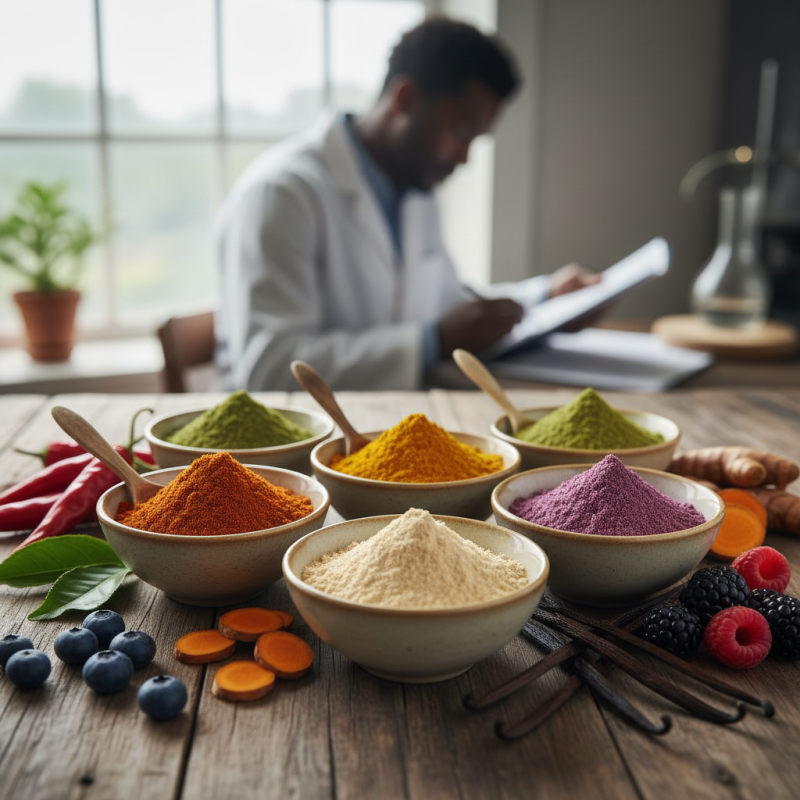
Overview of Organic Flavor Powders in Global Sourcing
Global sourcing of organic flavor powders has seen significant growth in recent years. According to a report by Research and Markets, the organic flavor market is projected to expand at a compound annual growth rate of 6.5% through 2026. This trend is driven by the increasing consumer demand for natural ingredients devoid of synthetic additives. Industries such as food and beverage, cosmetics, and pharmaceuticals are particularly engaged in this sourcing shift.
Organic flavor powders offer versatility for manufacturers looking to enhance product offerings. They can provide rich flavors without compromising health standards. Many suppliers are adjusting their sourcing strategies to include diverse origins. Sourcing from various regions ensures a broad spectrum of flavors that caters to local tastes. This practice can, however, present challenges. Fluctuations in supply due to climatic conditions impact availability. Furthermore, inconsistent quality among suppliers can affect the final product.
Sustainability consciousness is on the rise, prompting companies to scrutinize their sourcing practices. This has led to a push for ethically sourced ingredients. Yet, balancing sustainability with cost remains a discussion point. While organic flavor powders are often more expensive than synthetic alternatives, their demand is undeniable. Companies must weigh these factors carefully while embracing new opportunities in the global market.
Key Characteristics of High-Quality Organic Flavor Powders
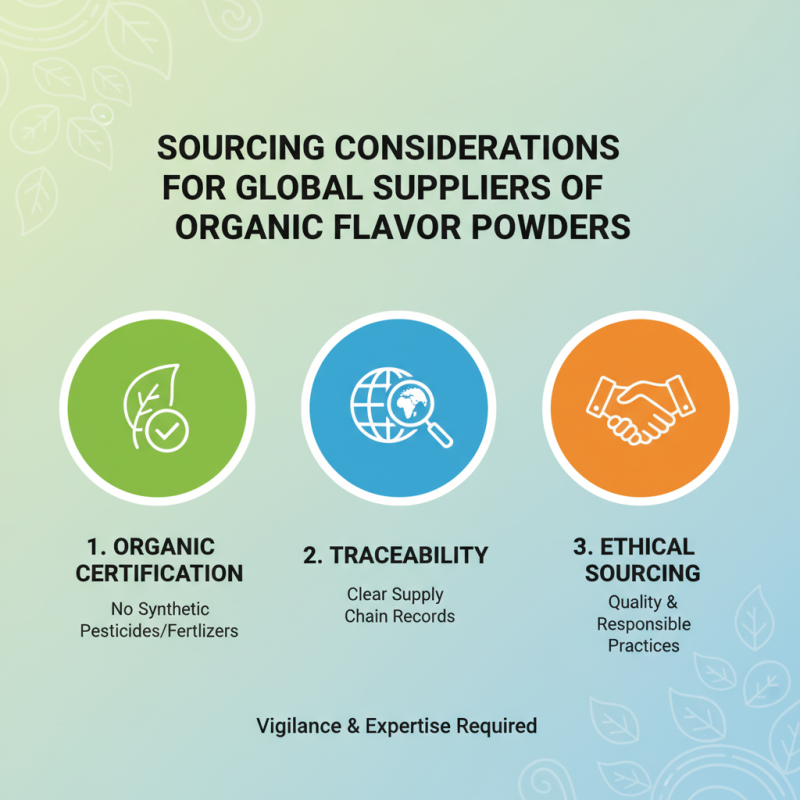
When selecting high-quality organic flavor powders, several key characteristics should be considered. First, purity is paramount. Organic certification ensures that the ingredients are free from synthetic additives and pesticides. A recent report from the Organic Trade Association indicates that over 60% of consumers prefer organic products for their perceived health benefits. This growing demand highlights the importance of sourcing pure ingredients.
Secondly, flavor intensity is crucial. High-quality powders should deliver a potent, authentic taste. They often derive from real fruits, herbs, or spices, which means they retain more nutritional value. A study by the Flavor and Extract Manufacturers Association pointed out that natural flavors can be up to 25% more potent than artificial counterparts. This potency not only enhances food products but also contributes to healthier formulations.
Additionally, texture can impact the overall quality. A fine powder ensures better dissolution and consistency in various applications. However, achieving the right balance can be challenging. Some powders may clump or lose their aroma over time. It's essential to consider the sourcing process and storage conditions. Environmental factors can affect the final product significantly. Understanding these aspects can aid in making informed decisions when sourcing organic flavor powders.
Best Organic Flavor Powders for Global Sourcing Needs
| Flavor Type |
Color |
Solubility |
Purity (%) |
Organic Certification |
| Vanilla |
Creamy White |
High |
95 |
USDA Organic |
| Cacao |
Dark Brown |
Medium |
98 |
EU Organic |
| Strawberry |
Bright Red |
High |
97 |
USDA Organic |
| Matcha |
Vibrant Green |
High |
99 |
JAS Organic |
| Banana |
Golden Yellow |
Medium |
96 |
USDA Organic |
Popular Types of Organic Flavor Powders for Culinary Applications
Organic flavor powders have gained significant traction in culinary applications. They offer natural, vibrant flavors without synthetic additives. A recent industry report indicated that the organic flavor powder market is expected to grow at a CAGR of 5.4% from 2021 to 2026. This growth is driven by the increasing consumer preference for clean-label products.
Culinary professionals often turn to organic flavor powders like garlic, onion, and turmeric. These powders not only enhance the taste of dishes but also bring health benefits. Turmeric, for instance, contains curcumin, known for its anti-inflammatory properties. Culinary trend reports suggest that flavors which evoke nostalgia, or traditional herbs and spices, are particularly popular. These flavor powders play a crucial role in global cuisines, meeting diverse sourcing needs.
However, sourcing organic flavor powders can be challenging. Quality and consistency can vary widely. Many suppliers may not adhere to strict organic standards, leading to potential contamination. It's essential to choose suppliers with verified certifications. This transparency ensures that culinary applications uphold both flavor integrity and safety standards. Investing time in supplier selection can make a significant difference in the final product, impacting consumer trust and satisfaction.
Best Organic Flavor Powders for Global Sourcing Needs
Trends and Innovations in the Organic Flavor Powder Market
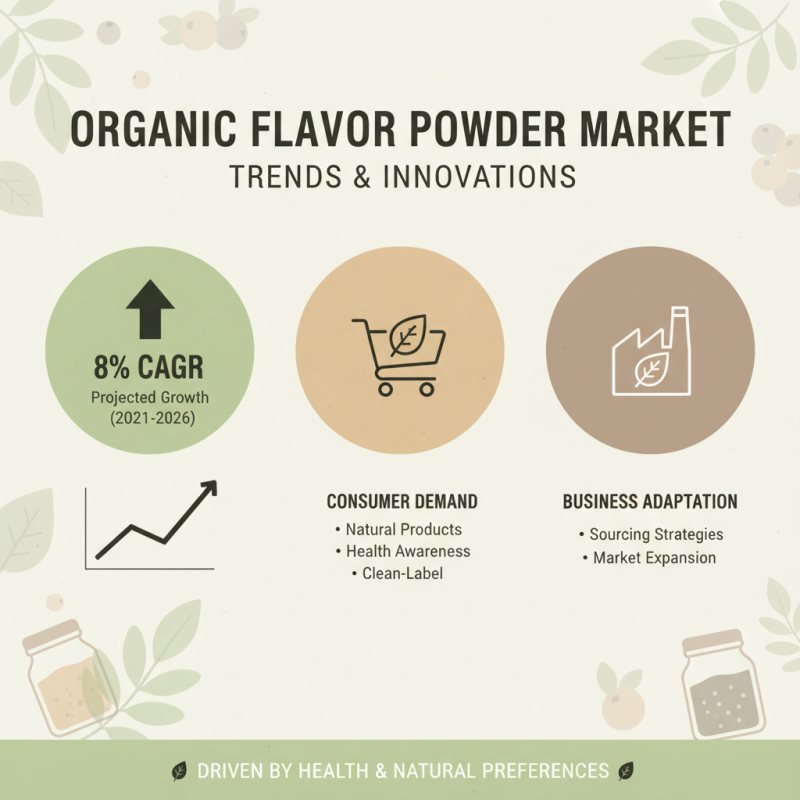
The organic flavor powder market is experiencing significant trends and innovations. As consumers increasingly demand natural products, businesses are adapting their sourcing strategies. According to recent industry reports, the organic flavor powder market is projected to grow at a compound annual growth rate (CAGR) of 8% from 2021 to 2026. This growth can be attributed to rising health awareness and a preference for clean-label products.
Innovations include the development of new extraction techniques. These methods preserve the integrity of flavors while ensuring sustainability. For instance, innovative companies now utilize supercritical CO2 extraction to produce pure flavor profiles. This method contrasts with traditional solvents, yielding flavors that align with consumer expectations. However, some producers struggle with scalability, leading to potential inconsistencies in product availability.
Tip: Always verify the sourcing practices of your suppliers. Look for certifications that validate organic claims. Transparency in production builds consumer trust and enhances brand reputation.
Another emerging trend is the incorporation of new flavor profiles. Exotic flavors attract consumers seeking unique culinary experiences. Yet, the challenge lies in striking a balance between innovative offerings and familiar tastes. Some companies may rush to introduce trendy flavors without adequate market research, which could backfire.
Tip: Conduct thorough market research. Understanding consumer preferences can guide flavor development. This approach ensures that new offerings resonate with your target audience.
 Blog
Blog