Global food buyers are paying closer attention to organic flavors as clean-label demand expands across beverages, snacks, dairy, and plant-based foods. The World of Organic Agriculture 2024, published by FiBL and IFOAM–Organics International, valued global organic retail sales at approximately €135 billion in 2022. That figure signals strong consumer interest, but it does not guarantee equal demand for every flavor.
Taste still decides the repeat purchase.
Innova Market Insights’ 2024 consumer trend research highlights interest in recognizable ingredients, regional identity, and more authentic eating experiences. These priorities make citrus, vanilla, berry, botanical, and spice profiles especially relevant for international product development. However, buyers must examine more than aroma intensity. Certification scope, extraction methods, allergen controls, origin records, batch consistency, and storage conditions can change the commercial value of an ingredient. A beautiful sample may fail during scale-up. That happens more often than expected.
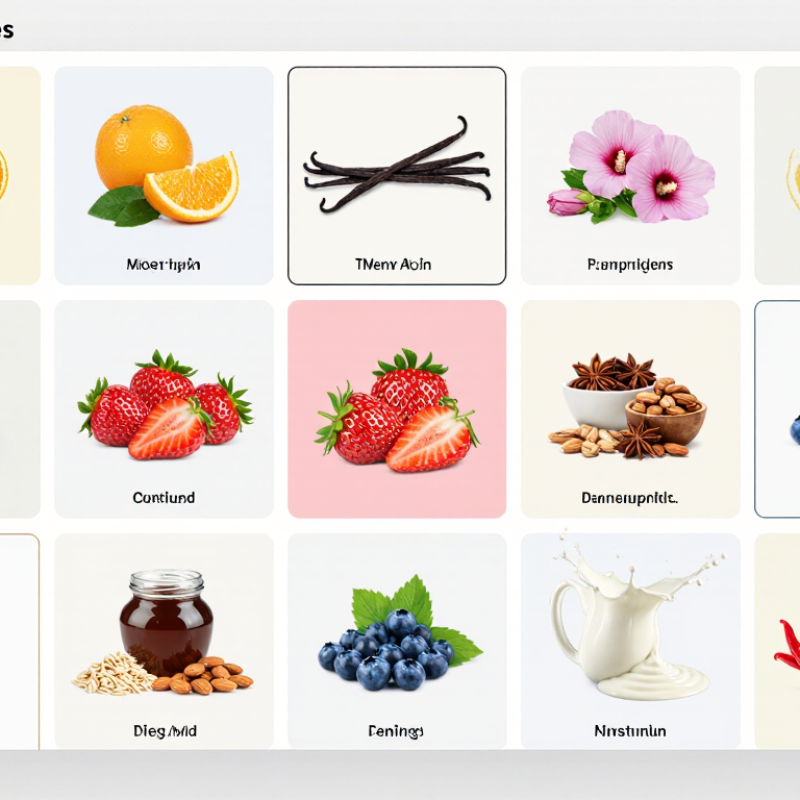
This guide reviews 10 best organic flavors for global food buyers through a practical sourcing lens. It considers sensory versatility, application performance, supply resilience, documentation, and consumer appeal. Market reports, supplier specifications, and real product trials should work together. No single ranking fits every region. Vanilla may perform strongly in premium dairy, while yuzu or hibiscus may suit emerging beverage concepts better. Some choices also carry seasonal or geographic risks. Buyers should therefore challenge assumptions, request current certificates, and test flavors in finished products before approving contracts. A careful decision may look slower, yet it can protect quality, margins, and consumer trust.
What Defines an Organic Flavor for Global Food Buyers?
An organic flavor is more than a pleasant taste with an “organic” claim. It usually begins with certified organic raw materials, such as citrus peel, herbs, spices, or fruit extracts. Buyers should verify the certification scope, processing methods, carrier materials, and production site. Natural flavoring and organic flavoring are not identical terms. The difference matters.
Documentation reveals the real quality. Ask for current certificates, ingredient specifications, allergen statements, batch records, and traceability details. Country requirements can differ, so a certificate accepted in one market may need additional review elsewhere. During evaluation, smell the sample in the finished product, not only in water. A lemon note may seem bright alone but become weak after baking. That practical test often exposes problems early. No checklist is perfect.
Tips: Request a small pilot batch before committing to volume. Check how the flavor performs after heat, storage, and packaging contact. Confirm minimum organic content rules with qualified regulatory professionals. Keep written supplier responses, even when conversations seem clear. One missing document can delay a shipment. Small details matter.
Global buyers also need consistent sensory performance. Seasonal crops can change color, acidity, and aroma intensity. Responsible suppliers should explain these variations and provide reasonable control plans. Organic sourcing requires patience, evidence, and careful questions. It is not always as simple as the label suggests.
What defines an organic flavor for global food buyers?
The editorial suitability index combines four practical buyer considerations: global consumer familiarity, formulation versatility, availability of organic raw materials, and suitability for clean-label products. Citrus, vanilla, berry, and spice profiles rank highly because they are widely recognized and used across beverages, bakery, dairy alternatives, confectionery, and savory applications. Organic certification remains dependent on the ingredient source, processing method, and applicable market regulations.
Index scale: 0–100. This is a comparative screening index, not market share or sales data.
10 Best Organic Flavors for Global Food Buyers?
How to Evaluate Organic Flavor Quality and Authenticity
Global buyers often shortlist vanilla, citrus, berry, apple, cocoa, coffee, mint, ginger, cinnamon, and coconut. Yet popularity does not prove quality. The World of Organic Agriculture 2024 reported global organic retail sales of about €135 billion in 2022. That scale increases the need for credible flavor verification. Organic certification confirms approved production controls. It does not automatically guarantee freshness, sensory accuracy, or full authenticity.
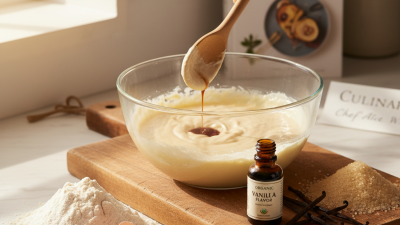
Evaluate the sample before reviewing its price. A good vanilla flavor should show warm, creamy notes, not sharp sweetness. Citrus should feel bright, with clean peel character and no harsh solvent impression. Ask for the ingredient origin, harvest period, processing method, certificate, and batch traceability. ISO 9235 provides useful terminology for aromatic raw materials. Laboratory testing, including GC-MS, can compare volatile compounds against declared sources. Isotope testing may help investigate unusual origin claims. Sensory panels still matter. Numbers cannot fully describe a dusty cinnamon note or fading mint.
Tips: Compare three batches under identical conditions. Test the flavor in the finished food, not only in water. Check heat, acidity, and storage stability. Request sealed retention samples. I still distrust a perfect sample. Natural variation is normal, but unexplained variation needs investigation. Review the certification scope carefully. A certificate may cover the facility, while a specific flavor ingredient requires separate confirmation. Small documentation gaps can become expensive surprises.
| Flavor | Primary Botanical Source | Typical Organic Forms | Authentic Sensory Profile | Common Food Applications | Key Quality Indicators | Authenticity and Adulteration Checks | Important Buyer Consideration |
|---|---|---|---|---|---|---|---|
| Vanilla | Vanilla planifolia and related vanilla species; cured fruit pods. | Organic extract, oleoresin, powder, paste, or natural vanilla flavor preparation. | Sweet, creamy, floral, balsamic, and slightly woody, with a long finish. Natural vanilla contains many aroma compounds beyond vanillin. | Bakery, dairy products, chocolate, beverages, desserts, cereal, and plant-based foods. | Balanced vanillin and secondary aroma compounds; clean color; low microbial load; no burnt, solvent-like, or phenolic off-notes. | GC-MS aroma profiling, vanillin-to-secondary-compound evaluation, stable-isotope ratio testing, and checks for synthetic vanillin or ethyl vanillin. | Origin, curing method, extraction solvent, vanillin concentration, and organic certification scope should be documented separately. |
| Lemon | Citrus limon; peel oil, juice concentrate, zest, or distilled fractions. | Organic essential oil, cold-pressed oil, peel extract, juice-based flavor, or natural flavor emulsion. | Bright citrus, fresh peel, juicy acidity, and a clean finish. High-quality lemon oil is lively rather than harsh or overly terpenic. | Beverages, confectionery, bakery, sauces, dressings, dairy, and functional drinks. | Fresh aroma, controlled oxidation, suitable citral and limonene profile, low sediment, and stable performance in the target food matrix. | GC-MS fingerprinting, peroxide value, refractive index, optical rotation, pesticide-residue testing, and screening for added synthetic citral or isolated limonene. | Cold-pressed oils may be more sensitive to oxidation; packaging should limit oxygen, heat, and light exposure. |
| Orange | Citrus sinensis; peel oil, juice, pulp, or distilled peel fractions. | Organic essential oil, juice flavor, peel extract, emulsion, or natural orange flavor. | Sweet, rounded citrus with fresh peel, juicy pulp, and mild floral notes. | Soft drinks, juices, confectionery, bakery, yogurt, sauces, and sports nutrition products. | Authentic limonene-led profile with appropriate aldehydes and esters; low oxidation; clear, stable, and free from rancid notes. | GC-MS fingerprinting, optical rotation, peroxide and aldehyde-value testing, pesticide-residue analysis, and checks for dilution with non-citrus terpenes. | Oil-soluble and water-dispersible formats behave differently; confirm emulsion stability and beverage cloud compatibility. |
| Peppermint | Mentha × piperita; primarily the leaves and aerial parts. | Organic essential oil, leaf extract, powder, or natural peppermint flavor. | Cooling, minty, herbaceous, and clean, with menthol as the dominant cooling character. | Chewing gum, confectionery, oral-care foods, chocolate, teas, beverages, and digestive products. | Appropriate menthol, menthone, menthyl acetate, and menthofuran balance; strong but clean cooling effect; no camphor-like harshness. | GC-MS chemical fingerprint, menthol and menthone quantification, optical rotation, pesticide-residue testing, and screening for cheaper mint oils or isolated menthol. | Confirm intended use level and regulatory status because concentrated essential oils can be intense and may affect sensory balance. |
| Ginger | Zingiber officinale; rhizome. | Organic extract, oleoresin, essential oil, juice, dried powder, or natural ginger flavor. | Warm, fresh, spicy, citrus-like, and slightly pungent. Fresh ginger and dried ginger have noticeably different profiles. | Beverages, bakery, sauces, confectionery, marinades, teas, and nutritional products. | Defined gingerol and shogaol profile; clean pungency; low rancidity; consistent color and low microbial contamination in powders. | HPLC for gingerols and shogaols, GC-MS volatile profiling, pesticide-residue analysis, heavy-metal screening, and checks for dilution with starch or unrelated plant material. | Processing changes gingerols into shogaols; buyers should specify whether a fresh, cooked, or dried-ginger profile is required. |
| Cinnamon | Cinnamomum verum, Cinnamomum cassia, and related species; inner bark. | Organic bark powder, extract, oleoresin, essential oil, or natural cinnamon flavor. | Sweet, woody, warm, and spicy. True cinnamon is generally softer and more delicate; cassia types are typically stronger and more pungent. | Bakery, cereals, beverages, confectionery, sauces, dairy, and spice blends. | Consistent cinnamaldehyde profile, clean aroma, low mold and microbial load, and clear species or botanical identity. | HPLC or GC-MS species profiling, coumarin quantification, microscopy or DNA-based botanical authentication, pesticide-residue testing, and screening for fillers. | Species must be declared or specified because coumarin levels can differ substantially between cinnamon types. |
| Lavender | Lavandula angustifolia and other Lavandula species; flowers and flowering tops. | Organic flower extract, essential oil, infusion, powder, or natural lavender flavor. | Floral, soft, herbaceous, slightly sweet, and fresh. High-quality culinary lavender should not smell strongly medicinal or camphoraceous. | Tea, confectionery, bakery, dairy, chocolate, syrups, and premium beverages. | Balanced linalool and linalyl acetate; low camphor and 1,8-cineole for a delicate culinary profile; clean, dry aroma. | GC-MS fingerprinting, botanical microscopy or DNA testing, pesticide-residue analysis, and screening for adulteration with lavandin or synthetic aroma chemicals. | Species and chemotype strongly influence aroma; culinary applications require a lower-intensity profile than many non-food fragrance oils. |
| Rosemary | Salvia rosmarinus (formerly Rosmarinus officinalis); leaves and flowering tops. | Organic essential oil, leaf extract, dried herb, oleoresin, or natural rosemary flavor. | Herbaceous, pine-like, resinous, peppery, and slightly camphoraceous, with a savory green finish. | Meat alternatives, sauces, bakery, snacks, soups, marinades, dressings, and savory beverages. | Defined 1,8-cineole, camphor, borneol, and alpha-pinene balance; clean herbaceous aroma; low oxidation and suitable color. | GC-MS fingerprinting, antioxidant-marker analysis where relevant, pesticide-residue testing, and screening for dilution with turpentine-like or unrelated essential oils. | Flavor extracts and antioxidant extracts are not interchangeable; specify whether the primary objective is taste, aroma, or oxidation control. |
| Strawberry | Fragaria × ananassa; fruit, juice, puree, or concentrated aroma fractions. | Organic puree, juice concentrate, fruit extract, spray-dried powder, or natural strawberry flavor. | Ripe, sweet, red-fruit, and slightly floral, with fresh green notes in high-quality preparations. | Yogurt, ice cream, beverages, confectionery, bakery, cereals, sauces, and children’s foods. | Authentic fruit volatile balance, natural color stability, controlled acidity, low browning, and clean flavor without jammy or cooked off-notes unless desired. | GC-MS volatile profiling, fruit-solids and acidity checks, DNA-based botanical verification where appropriate, pesticide-residue testing, and screening for added synthetic strawberry character. | Real fruit preparations can vary by cultivar, harvest, and processing; define a target profile and acceptable color range before approval. |
| Cocoa | Theobroma cacao; fermented and roasted cocoa beans. | Organic cocoa extract, cocoa powder, cocoa distillate, cocoa liquor, or natural chocolate flavor. | Roasted, chocolate-like, nutty, earthy, and slightly fruity, depending on fermentation and roast conditions. | Chocolate, bakery, dairy, plant-based desserts, beverages, cereal, nutrition bars, and fillings. | Consistent roast profile, balanced pyrazines, low burnt character, controlled moisture, and suitable fat or powder dispersion. | GC-MS aroma profiling, theobromine and caffeine analysis, fat and moisture testing, heavy-metal testing, and screening for added vanillin or caramelized flavor systems. | Fermentation, origin, roast level, alkalization, and particle size significantly affect flavor and color; specify each parameter in the purchase specification. |
10 Best Organic Flavors for Global Food Buyers?
The 10 Best Organic Flavors for International Food Products
For international food products, the best organic flavors must travel well, not merely impress in a sample room. Vanilla, strawberry, mango, lemon, blueberry, coconut, cocoa, cinnamon, ginger, and mint offer broad menu flexibility. Vanilla and cocoa support bakery and dairy alternatives, while mango and citrus brighten beverages and sauces. Strawberry and blueberry create familiar fruit cues, but their color can fade during heat processing. Coconut brings tropical identity; cinnamon and ginger create warmth; mint gives a cleaner finish. Small sensory details matter.
Market data supports this wider opportunity. FiBL and IFOAM Organics International recorded global organic retail sales of about €135 billion in 2022. The Organic Trade Association reported U.S. organic sales of $67.6 billion in 2023, rising 3.4% year over year. These figures indicate strong demand, but they do not guarantee success for every flavor profile. Regional taste remains decisive. Sour mango may suit one market, while a softer fruit note works better elsewhere.
Experienced buyers should verify whether a flavor is organically certified, organically compliant, or simply made from natural ingredients. These terms are not interchangeable. They should also check origin, extraction method, allergen controls, heat stability, and batch consistency. Lemon oil can lose brightness; mint may overpower delicate products. I would not rank vanilla above mango everywhere. A practical pilot test, using local consumers and real processing conditions, often reveals the uncomfortable truth: the most attractive sample may not be the strongest commercial choice.
Organic flavor selection depends on local taste, climate, and product format. Vanilla remains widely useful in dairy alternatives, bakery fillings, and nutrition drinks. Citrus flavors suit sparkling beverages, gummies, and light sauces, especially in warmer markets. Berry notes perform well in yogurt, cereal, and snack coatings across Europe and North America. Mango and coconut often fit tropical beverages, frozen desserts, and plant-based products in Asia, Africa, and Latin America.
Ginger, mint, and cinnamon offer stronger regional character. Ginger can support teas, functional drinks, and savory marinades. Mint works in confectionery, oral-care products, and chilled beverages. Cinnamon adds warmth to bakery items and seasonal drinks, but dosage requires care.
Coffee and cocoa flavors create familiar depth in desserts and ready-to-drink beverages. Their organic status must be checked through current certificates, supplier records, and destination-market rules.
Application trials should examine heat stability, acidity, sweetness, and storage conditions. A citrus flavor may brighten a drink but fade after pasteurization. Coconut can feel authentic in one market and overly sweet in another. Small sensory panels are useful, yet they can reflect personal bias. A successful sample is not always a successful product. Buyers should request traceability documents, allergen statements, technical specifications, and batch consistency data before approval. Regional adaptation matters more than a universal flavor list.
Sourcing, Certification, and Global Supply Considerations
Global buyers often start with vanilla, cocoa, citrus, mint, ginger, cinnamon, berry, coconut, cardamom, and turmeric flavors. These options suit beverages, bakery products, dairy alternatives, and snack applications. However, flavor popularity does not guarantee reliable supply. Vanilla may face harvest shortages, while citrus quality can change with weather and processing methods.
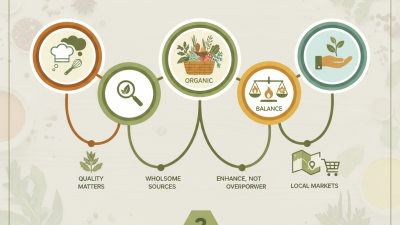
Certification deserves close attention. Ask suppliers for current organic certificates, product specifications, allergen statements, and certificates of analysis. Check whether the certificate covers the exact flavor, facility, and production date. “Natural” does not always mean “organic.” Requirements also vary between importing markets, so one document may not satisfy every buyer.
Traceability should reach the farm, processor, and final blending site. Request batch codes, country-of-origin details, and storage conditions. For liquid flavors, temperature and container quality matter. For powders, moisture control is critical. Small samples can reveal sediment, weak aroma, or inconsistent color before a full shipment.
Costs can shift unexpectedly. Freight delays, crop failures, and currency changes affect landed pricing. I have found that the cheapest quotation often hides testing or documentation gaps. Still, buyers should question every assumption, including preferred origins and fixed annual volumes. A practical sourcing plan keeps backup suppliers, realistic lead times, and clear approval standards. Some details remain imperfect, especially when seasonal crops are involved. That uncertainty deserves honest communication.
(Your form has been submitted.)
We'll be in touch soon! Until then, take a look around — you never know what you'll find!