Choosing the best organic vanilla supplier in China requires more than comparing prices. It requires evidence. Grand View Research’s 2024 Vanilla Market Report identifies continued global demand for natural and clean-label vanilla products through 2030. Meanwhile, USDA Foreign Agricultural Service reports continue to show Madagascar’s strong influence on global vanilla supply. China’s advantage often lies elsewhere: extraction, processing, packaging, and export logistics.
The details matter. A credible supplier should provide valid organic certificates, batch numbers, farm or origin records, pesticide testing, and clear allergen controls. Buyers should verify whether certification covers the vanilla beans, the processing site, or only the final product. Those are different claims. ISO 22000 or HACCP systems can strengthen confidence, but they do not automatically prove organic status. China’s GB/T 19630 standard may also matter for domestic certification, while USDA or EU requirements may apply to overseas markets.
Dr. Daphna Havkin-Frenkel, a leading vanilla scientist and co-author of Handbook of Vanilla Science and Technology, stated, “Vanilla is the only edible fruit from an orchid.” That unusual biology explains why quality varies sharply between farms, curing methods, and storage conditions. Good suppliers should explain those differences plainly. They should also share samples, moisture results, vanillin testing, and recent audit records.
No supplier is perfect. Even published reports can use different market definitions. That deserves caution. This guide compares China-based organic vanilla suppliers through certification, traceability, technical capability, communication, and consistency—not attractive photographs or the lowest quotation.
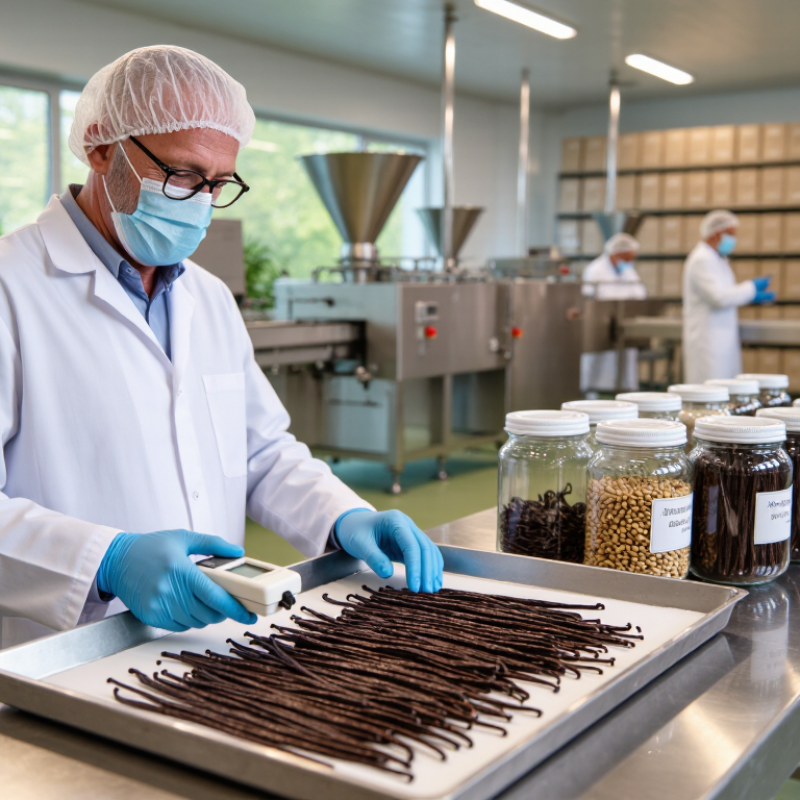
A reliable organic vanilla supplier in China should prove more than attractive photos and low prices. The strongest suppliers explain their sourcing clearly, including farm regions, harvest dates, curing methods, and storage conditions. Each shipment should carry a traceable lot number. This detail allows buyers to connect finished beans with inspection records. Organic certification must come from a recognized authority and remain valid for the relevant product and market. Ask for current certificates, not scanned documents from several years ago.
Tips: Request a small sample before placing a large order. Check bean flexibility, moisture, aroma, color, and visible mold. Ask for laboratory results covering microbiological safety, pesticide residues, and moisture content. Confirm whether the test report matches the same production lot. Packaging also matters. Vacuum-sealed, food-grade materials can help protect the beans during transport. Clear labeling reduces mistakes at the warehouse.
Professional suppliers communicate realistic lead times and explain seasonal changes without hiding weaknesses. They should answer technical questions directly and provide a corrective plan when quality differs from the approved sample. I would not select a supplier only because it offers the lowest quotation. That choice may create higher costs through inconsistent curing, damaged beans, or delayed delivery. Even experienced buyers can miss small details. A written specification, retained sample, and agreed inspection process make the relationship more dependable. Reliability is built through evidence, repeated performance, and honest communication.
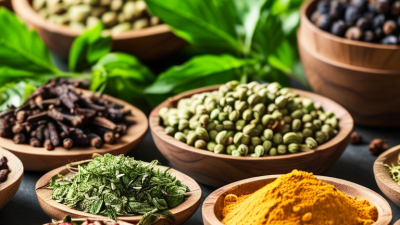
Which Is the Best Organic Vanilla Supplier in China?
Organic demand is growing, but certification requires careful checking. FiBL’s 2024 yearbook reported global organic retail sales of €134.8 billion in 2022. This growth also increases the risk of unclear sourcing claims.
Ask each Chinese supplier for a current organic certificate. Check the certifier, certificate scope, validity dates, and covered processing site. The certificate should clearly include vanilla beans or vanilla products. A logo alone proves little. For imported products, request transaction documents linking the shipment to the certified lot. Then compare the lot number with packaging and warehouse records.
Quality needs separate evidence. Request moisture, vanillin, microbial, pesticide-residue, and heavy-metal test results from an independent laboratory. ISO 5565 provides recognized specifications for vanilla, including appearance, odor, and moisture considerations. Check whether the supplier tests every lot or only occasional samples. That difference matters. A laboratory report can also be genuine but unrelated to your shipment.
Tips: Cut open several beans. Good cured vanilla should feel flexible, not brittle, with a deep aroma and visible seeds. Ask for harvest origin, curing method, storage temperature, and traceability records. For organic claims in China, verify compliance with the applicable GB/T 19630 standard and confirm the certifier’s accreditation. Do not rely on impressive photos. I once treated packaging quality as a quality signal; that was a weak assumption. Audits, lot records, and sensory checks are more reliable.
A reliable supplier should provide valid organic certification, traceability records, batch documentation, laboratory test results, and evidence that processing inputs comply with the applicable organic standard. Certification must be checked with the issuing authority because an organic logo or certificate copy alone does not prove current validity.
The verification priorities shown below are a practical buyer checklist based on common requirements under USDA Organic, EU Organic, and China Organic certification systems. They are evaluation priorities, not supplier rankings.
China’s organic vanilla supply is regional rather than nationwide. Smallholder and trial farms are mainly found in Hainan, Yunnan, Guangdong, and parts of Guangxi. Hainan’s warm, humid climate supports Vanilla planifolia, while Yunnan offers higher elevations and clear seasonal differences. However, farm output remains limited compared with Madagascar. The CBI European market report describes Madagascar as supplying roughly 70–80% of global vanilla, so Chinese-grown organic vanilla is still a niche crop.
FAOSTAT production tables should be checked carefully because China’s vanilla output is not always reported consistently. This makes supplier claims difficult to compare. A reliable buyer should request organic certificates, farm locations, harvest-lot records, and curing-facility details. Certificates must cover the actual farm, not only the trading company. Residue testing also matters. Organic cultivation does not automatically guarantee clean curing or careful storage.
Look closely at the pods. Mature organic vanilla should show flexible skin, a full aroma, and controlled moisture. Very dry pods may indicate poor curing, not superior quality. Some farms use shade houses, hand pollination, and compost-based soil management. Those details reveal real experience. Still, regional data are incomplete, and supplier directories can look more certain than the evidence allows. The strongest Chinese supplier is usually the one that discloses farm scale, certification scope, harvest dates, and traceability without exaggeration.
| Region | Main Vanilla-Suitable Areas | Climate and Growing Conditions | Supply Status | Organic Verification Considerations | Practical Supplier Assessment |
|---|---|---|---|---|---|
| Hainan | Southern and eastern tropical areas, including lowland agricultural zones | China’s most consistently tropical production environment; warm temperatures, high humidity, and year-round vegetation support vanilla cultivation under shade. | The strongest regional candidate for domestic vanilla cultivation, although public evidence of large-scale certified organic bean supply remains limited. | Request a valid China Organic Product Certificate covering vanilla cultivation, the certified farm location, certificate scope, and current validity period. | Usually the first region to investigate when seeking China-grown vanilla rather than imported beans. |
| Yunnan | Xishuangbanna and other frost-free or warm-humid valleys in southern Yunnan | Warm subtropical conditions, seasonal rainfall, and suitable shaded environments; elevation and dry-season conditions can create greater site-to-site variation than in Hainan. | A plausible cultivation region with agricultural experience in tropical crops, but farm-level organic vanilla supply must be verified individually. | Check whether the certificate covers vanilla specifically, not only other crops grown on the same property. | Potentially suitable for specialty and small-batch production when traceability and curing records are available. |
| Guangdong | Southern coastal and low-elevation areas | Warm and humid conditions can support protected or shaded cultivation, but winter temperatures and occasional cold events can limit open-field production in northern parts of the province. | More likely to include experimental, greenhouse, or smallholder production than a widely documented organic vanilla supply base. | Confirm the farm’s buffer zones, permitted inputs, internal control system, and post-harvest handling location. | Consider only after confirming actual farm output, not merely the supplier’s trading location. |
| Guangxi | Southern and coastal lowland areas | Warm subtropical conditions may be suitable in protected microclimates, although seasonal temperature variation is higher than in the most tropical parts of Hainan. | Possible small-scale cultivation area; no broadly recognized public directory confirms a large national base of certified organic vanilla farms. | Verify certified acreage, annual harvested quantity, organic conversion status, and separation from conventional crops. | Suitable for supplier screening but requires stronger documentary verification before commercial purchasing. |
| Other Southern Areas | Selected frost-free sites in southern coastal China | Vanilla requires a consistently warm, humid, shaded environment and is sensitive to unsuitable temperatures, waterlogging, and poor support structures. | Small trial plots or private farms may exist, but regional availability should not be assumed without farm-level evidence. | Ask for geolocation, farm photographs, planting records, audit documents, and a recent certificate issued by an accredited certification body. | Treat unverified claims of “China organic vanilla” as unconfirmed until the cultivation site and certificate are matched. |
Which Is the Best Organic Vanilla Supplier in China?
Price should never stand alone. In 2023, UN Comtrade records for HS 0905 showed large differences between vanilla export unit values. These gaps often reflect moisture, curing quality, origin, and packaging. A low quotation may cover green beans, not fully cured pods. Ask for the crop year, moisture percentage, vanillin test, and organic certificate before comparing offers. ISO 3632 testing can help verify vanilla quality, although it should not replace sensory inspection.
Processing details reveal a supplier’s real capability. I would request a sample with visible seeds, flexible texture, and a clean aroma. China’s General Administration of Customs requires clear import documentation, while the destination market may require additional organic verification. ITC Trade Map and UN Comtrade data can help compare a supplier’s export history, shipment value, and destination markets. However, trade databases record customs values, not every service or quality difference. That limitation matters.
Tips: Compare the price per kilogram after curing, sorting, and freight. Check whether the supplier operates its own processing room. Request recent certificates, batch photos, microbial results, and a video of sealing procedures. Confirm carton weight and payment terms in writing. I once treated a cheaper quote as better value; the pods arrived unevenly cured. That mistake was avoidable. Ask for a small trial order first.
Choosing an organic vanilla supplier requires more than comparing prices. The 2024 World of Organic Agriculture report valued the global organic food market at more than €134 billion in 2022. Demand is growing, but certification quality still varies. Ask for a current organic certificate, production scope, and certificate number. Check whether the document covers vanilla beans, extract, or both. A certificate for a factory may not cover every product.
Request a sample with its batch code intact. Good suppliers should provide moisture, vanillin, microbiological, pesticide, and heavy-metal test results. The CBI European market report identifies Madagascar as the dominant vanilla origin, so a Chinese supplier should clearly explain origin, curing location, and processing steps. Look for sealed cartons, food-grade inner bags, and temperature-controlled storage records. Small details matter.
Ask how traceability works during a recall. One batch should connect to a farm group, receiving record, processing date, and laboratory report. Suppliers following HACCP or ISO 22000 systems usually offer stronger process control, but certificates alone prove little. Visit the facility if possible. A clean room can still hide weak documentation. I would also test two or three batches before signing a long contract. The cheapest quote may become expensive after flavor variation, delayed delivery, or rejected goods.
(Your form has been submitted.)
We'll be in touch soon! Until then, take a look around — you never know what you'll find!