Best Vanilla Flavor Options for Global Buyers?
When exploring the world of vanilla flavor, buyers face a diverse array of options. Renowned flavor expert Dr. Emily Sanders notes, “The quality of vanilla flavor can significantly impact product perception.” This highlights the importance of quality in sourcing and using vanilla flavor.
From Madagascar’s premium Bourbon vanilla to Tahitian beans, variety is abundant. Each region’s unique conditions influence flavor profiles. Buyers must understand these nuances to make informed decisions. It’s not just about taste; it's about creating memorable experiences through quality ingredients.
However, sourcing quality vanilla flavor can be challenging. Price volatility, sustainability issues, and authenticity are significant concerns. It’s crucial to prioritize reliable suppliers and transparent practices. Engaging with the right experts can mitigate risks. The quest for the best vanilla flavor options is a journey filled with potential and challenges.
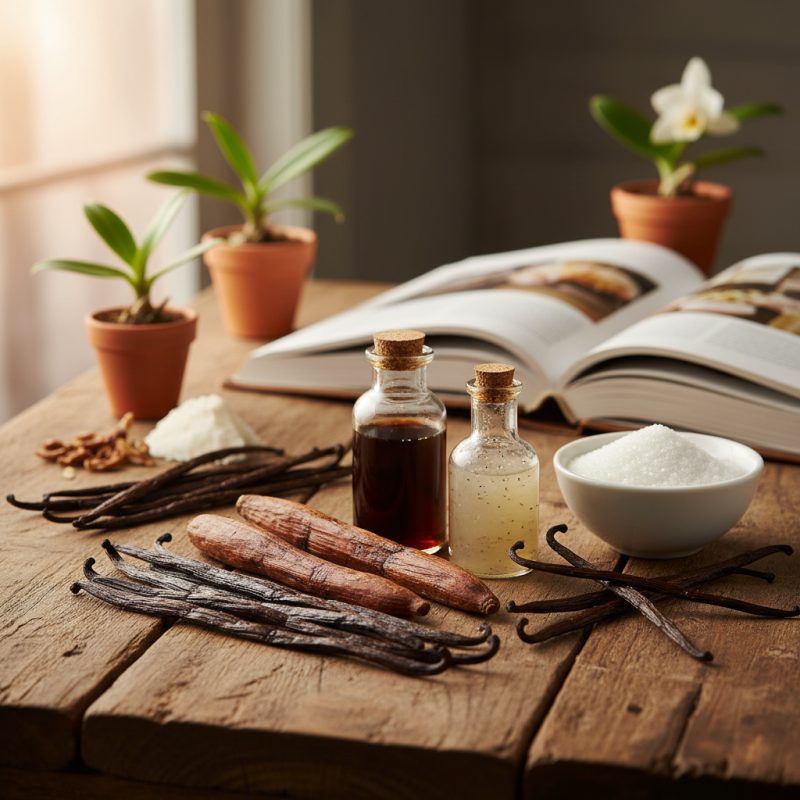
Top Global Vanilla Sources and Their Flavor Profiles
When exploring vanilla flavor options, it's essential to understand the geography of vanilla production. Each source offers distinct flavor profiles that can enhance various culinary creations. Madagascar is known for its rich, creamy, and sweet vanilla. This flavor often evokes a sense of nostalgia, perfect for desserts and pastries. The beans from this region are highly sought after for their complex notes.
On the other hand, Mexican vanilla tends to be more spicy and robust. It has unique undertones of chocolate, making it an excellent choice for savory dishes and beverages. There’s also Tahitian vanilla, which presents fruity and floral characteristics. This variety is less common but increasingly popular in gourmet circles.
However, sourcing vanilla is not without challenges. Environmental conditions, such as climate change, can impact quality. Buyers need to be mindful of sustainability when choosing suppliers. Ethically sourced vanilla not only supports local communities but also assures better quality. This creates a ripple effect, encouraging responsible farming practices.
Best Vanilla Flavor Options for Global Buyers - Top Global Vanilla Sources and Their Flavor Profiles
| Source Region |
Flavor Profile |
Aroma Characteristics |
Common Uses |
| Madagascar |
Rich, creamy, and sweet |
Warm, floral notes |
Baking, ice cream, flavoring |
| Tahiti |
Floral and fruity |
Subtle, sweet aroma |
Desserts, cocktails, gourmet dishes |
| Mexico |
Spicy, warm notes |
Rich, earthy aroma |
Chocolates, baked goods |
| Indonesia |
Earthy and bold |
Complex, strong aroma |
Baking, flavor extracts |
| Uganda |
Sweet and chocolatey |
Rich, warm scent |
Ice creams, gourmet chocolates |
Factors Influencing Vanilla Flavor Quality and Consistency
Vanilla flavor quality and consistency are influenced by several key factors. The growing conditions play a crucial role. Temperature, humidity, and soil type all affect the flavor profile. For instance, vanilla beans grown in rich, moist soil tend to have a more robust flavor. However, fluctuations in weather can lead to inconsistent quality.
Harvesting methods also matter. The timing of the harvest impacts flavor. Beans picked too early may lack the depth needed for premium vanilla. On the other hand, overripe beans can develop undesirable notes. Proper curing and drying are equally essential. These processes enhance the aroma and overall profile of the vanilla.
Lastly, the extraction method influences flavor potency. Different techniques yield varied results. Some extracts may lack the complexity associated with naturally processed beans. Many buyers need to be aware of these nuances when selecting vanilla options. The complexity of flavor and the natural inconsistencies pose challenges in sourcing high-quality vanilla. Buyers must understand these elements to make informed decisions.
Popular Vanilla Varieties and Their Unique Taste Characteristics
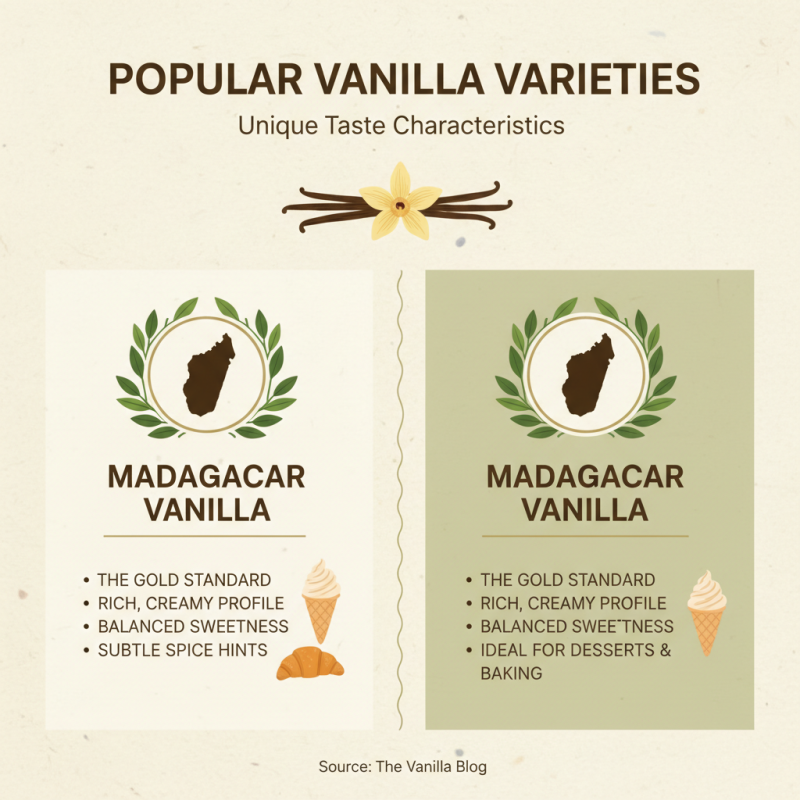
Vanilla is a beloved flavor worldwide, with various types offering distinct taste experiences. Madagascar vanilla, often regarded as the gold standard, delivers a rich and creamy profile. Its sweetness is balanced by subtle hints of spice. This variety is ideal for desserts and baking, enhancing everything from ice creams to pastries.
Another popular option is Tahitian vanilla, known for its floral and fruity notes. This variety has a lighter, more delicate taste, making it perfect for beverages and lighter dishes. Its unique flavor makes it sought after for gourmet cooking. While both Madagascar and Tahitian vanillas are highly regarded, they can behave differently in recipes, which can be a challenge for culinary consistency.
Mexican vanilla brings a spicier, bolder taste to the mix. It has earthy undertones that can add depth to savory dishes. However, due to variations in quality, buyers should be cautious when selecting Mexican vanilla. Each variety has its charm, yet finding the best fit depends on the intended use. Choosing the right vanilla requires some experimentation and reflection on personal taste preferences.
Sustainable Vanilla Production Practices for Quality and Flavor
Sustainable vanilla production practices are critical for maintaining quality and flavor. According to the International Trade Centre, around 80% of the world’s vanilla is produced in Madagascar. However, climate change and deforestation threaten this delicate ecosystem. Farmers face challenges in maintaining their crops, impacting both the yield and the flavor profile of vanilla beans.
One emerging trend involves agroforestry, where vanilla is cultivated alongside other crops. This practice not only helps preserve biodiversity but also enhances vanilla flavor by providing shade. A study by the Food and Agriculture Organization highlights that agroforestry can increase yields by up to 60%. Furthermore, sustainable farming methods improve soil quality, supporting healthier plants.
When sourcing vanilla, consider the sustainability practices used in production. Look for certifications or partnerships that encourage environmental stewardship. Engaging with suppliers who prioritize organic practices can also improve flavor quality.
Tip: Always ask about the sourcing process. Transparency can reveal valuable information about flavor and quality.
The path to sustainable vanilla production is not without its hurdles. Many farmers struggle to access resources needed for sustainable practices. This gap can diminish the overall potential for premium vanilla flavors. Building strong relationships within the supply chain could bridge this divide. Engaging with farmers directly might yield insights into their practices.
Tip: Seek personal stories from vanilla producers. Their experiences often provide a deeper understanding of flavor nuances.
Market Trends in Vanilla Flavor Preferences Among Consumers
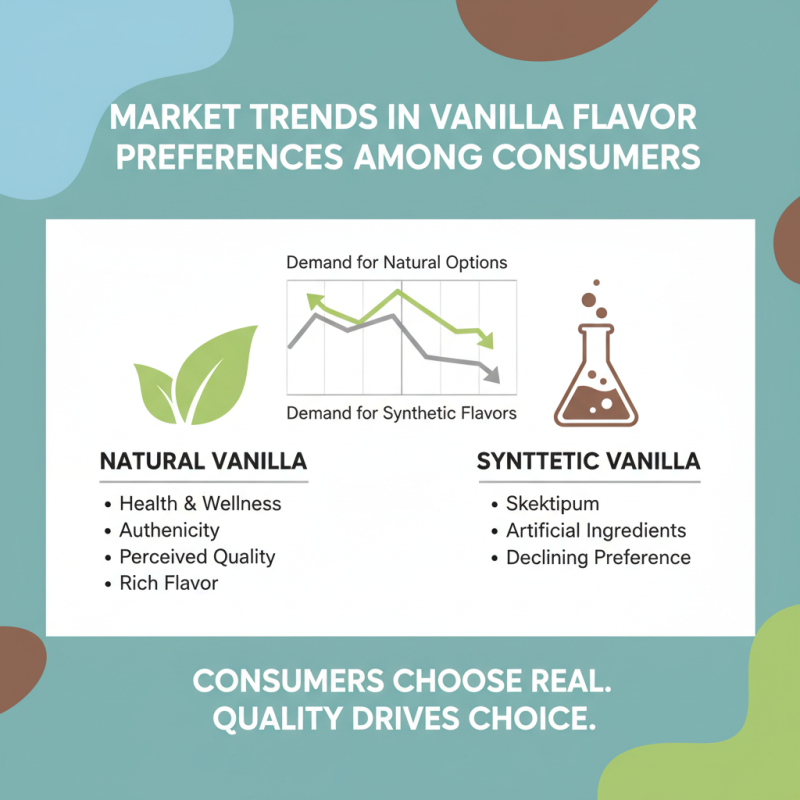
The vanilla flavor market is evolving. Consumers are increasingly drawn to natural options over synthetic flavors. This trend reflects a growing awareness of health and wellness. Shoppers are more skeptical of artificial ingredients. They seek authenticity in products they consume. Real vanilla often conveys quality and richness.
When examining preferences, diverse tastes emerge globally. In some regions, sweet and creamy vanilla is favored. Others lean towards spiced or floral notes. For example, vanilla from Madagascar is celebrated for its rich aroma. However, some consumers find its price point challenging. This disparity creates a gap in market offerings.
Moreover, sustainability plays a crucial role. Many buyers prefer vanilla sourced through ethical practices. They often choose vendors who support fair trade. This behavioral change pressures producers to adapt. Yet, it raises questions about supply chain transparency. How can consumers ensure ethical sourcing? The answer is not always clear-cut.
 Blog
Blog