What Makes Ceremonial Matcha Green Tea Ideal for Global Buyers?
Ceremonial Matcha Green Tea is gaining popularity worldwide. Its distinct taste and vibrant color attract many buyers. This traditional Japanese tea offers more than just flavor; it embodies a rich cultural history.
Quality is a critical factor for global buyers. Authentic Ceremonial Matcha Green Tea is made from young tea leaves. These leaves undergo careful grinding to create a fine powder. This process ensures a rich flavor and numerous health benefits. Consumers appreciate its antioxidant properties, promoting overall wellness.
However, not all matcha is equal. Some brands cut corners, affecting quality. It’s important to seek trusted sources for pure Ceremonial Matcha Green Tea. Misleading marketing can misrepresent the product. Buyers must remain vigilant and informed about their selections. This tea deserves respect, as it represents a beautiful tradition.
Unique Health Benefits of Ceremonial Matcha Green Tea
Ceremonial matcha green tea is renowned for its unique health benefits. This premium tea, traditionally used in Japanese tea ceremonies, is packed with antioxidants. These powerful compounds help combat oxidative stress, supporting overall health. Matcha also contains L-theanine, an amino acid that promotes relaxation and mental clarity. This combination makes ceremonial matcha a favorite among health-conscious individuals worldwide.
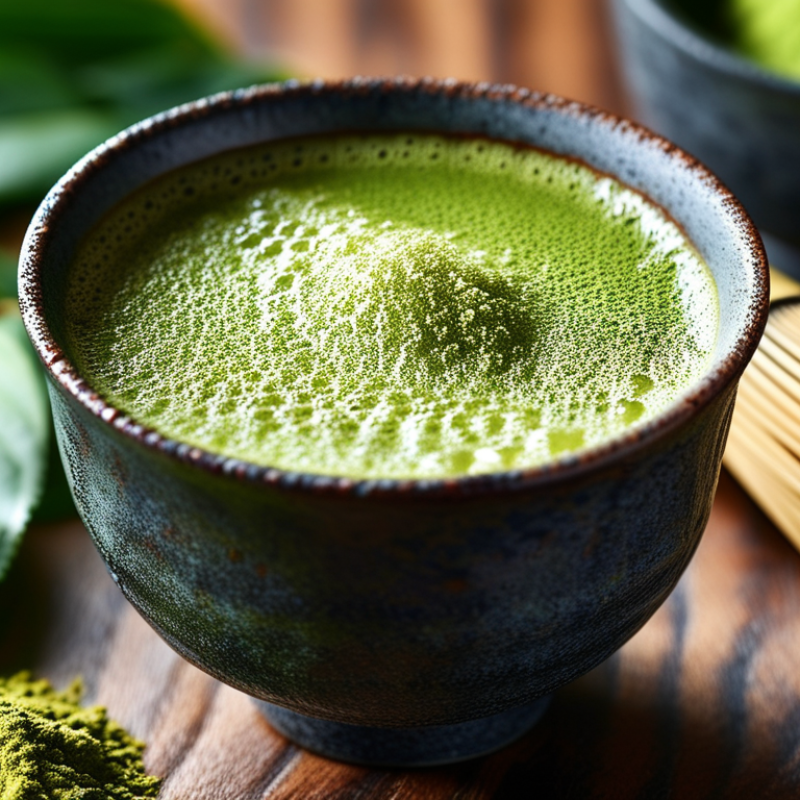
To truly enjoy ceremonial matcha, use high-quality powder. Look for a vibrant green color, which indicates freshness. The finer the grind, the smoother the tea. Whisking matcha with hot water creates a frothy texture. This process enhances its flavor and elevates the experience.
After your first sip, you may feel a sense of calm. However, some might find the taste a bit unusual at first. It's an acquired flavor, but worth exploring. Pairing matcha with light snacks, such as rice cakes, can also enhance enjoyment. Embrace the journey; it may take time to fully appreciate matcha's unique profile.
Quality and Flavor Profile: What Sets Ceremonial Matcha Apart
Ceremonial matcha green tea stands out for its quality and flavor profile. Its vibrant green color reflects the meticulous cultivation and harvesting methods used. Farmers shade the tea plants weeks before harvest, boosting chlorophyll content. This process enhances the umami flavor, making ceremonial matcha rich and complex. The highest grade is stone-ground, ensuring a fine, smooth texture.
What truly sets ceremonial matcha apart is its lush taste. The first sip reveals a delicate sweetness, balanced by a hint of earthy bitterness. Each cup offers a creamy mouthfeel, inviting consumers to savor every moment. Unlike culinary matcha, which may be more astringent, ceremonial matcha captivates with its nuanced flavors and aroma.
Some may find the price a barrier, making it less accessible. However, investing in quality often leads to a more satisfying experience. Observing the preparation ritual can deepen appreciation for this unique tea. Embracing imperfections in both brewing and tasting could expand a buyer's understanding. It is essential to explore various brands and origins to find the ideal matcha for personal preferences.
Cultural Significance and Traditional Preparation Methods
The traditional preparation of ceremonial matcha green tea is steeped in culture. It forms a vital part of Japanese tea ceremonies, where every action holds meaning. The process begins with selecting the finest matcha leaves, which are shade-grown and hand-picked. This careful choice reflects deep respect for nature and quality.
The method of preparation is ritualistic. Matcha is whisked with a bamboo whisk in a bowl, creating a vibrant froth. This act requires skill and mindfulness, highlighting the importance of presence in the moment. Each cup brewed is a blend of art and tradition, inviting drinkers into a serene experience.
Yet, some aspects are often overlooked. Not everyone knows how to properly prepare matcha. Mistakes can lead to bitterness or loss of flavor. The delicate balance of water temperature and whisking technique can affect the final taste. Embracing these imperfections can enhance appreciation for this ancient practice. Each cup can remind us of the journey and care involved in creating this beloved beverage.
Global Market Demand and Trends for Matcha Tea
Ceremonial matcha green tea has become a favorite among global buyers. Its unique flavor and vibrant color set it apart. The growing awareness of health benefits drives demand. Many consumers embrace matcha for its antioxidant properties. This trend is not just a passing phase; it's a commitment to wellness.
More restaurants and coffee shops include matcha offerings. Bars create drinks with exquisite flavor combinations. This beverage's versatility appeals to chefs and home cooks alike. Natural ingredients, like honey and coconut milk, enhance matcha's earthy taste. Customers seek quality, and ceremonial matcha fits the bill.
Consider these ideas when exploring the matcha market. Look for high-quality sources to ensure freshness. Pay attention to the origin; regions in Japan produce the finest matcha. Experiment with preparation methods. Mixing matcha in smoothies or baked goods can elevate your dishes. Always strive to learn more about this fascinating tea and its history. Exploring these options can lead to exciting culinary creations.
Global Market Demand for Ceremonial Matcha Green Tea (2023)
Sourcing and Authenticity: Ensuring Quality for International Buyers
When sourcing ceremonial matcha green tea, authenticity is paramount for international buyers. A recent report by the Specialty Coffee Association highlights that over 70% of consumers prioritize quality verification. This statistic reflects a growing demand for authentic Japanese matcha. Buyers are increasingly cautious about where their matcha originates. They seek trustworthy suppliers who can guarantee the integrity of their product.
Quality assurance extends to production methods. Organic certifications and traditional grinding techniques play a crucial role in the flavor and nutrient profile of matcha. Research indicates that matcha grown in shaded environments has higher antioxidant levels. These details are vital for buyers aiming to market premium products globally. The challenge lies in ensuring transparency throughout the supply chain. Lack of clear sourcing information can lead to distrust and dissatisfaction among consumers.
Evaluating the credentials of suppliers is essential. Third-party audits can provide reassurance. However, such processes can be costly and complex, potentially leading to communication gaps. Buyers must find a balance between cost and quality, navigating the market landscape thoughtfully. As the demand for ceremonial matcha grows, maintaining a focus on authenticity will be key to success.
 Blog
Blog