Global demand is raising the bar for organic food flavoring suppliers. Buyers need more than a clean label. They need repeatable flavor, clear documentation, and reliable deliveries across markets. FiBL and IFOAM’s The World of Organic Agriculture 2024 reported global organic food and drink sales of about €135 billion in 2022. That scale creates opportunity, but it also makes supplier evaluation more important.
Flavor is experienced, not just measured. Oxford researcher Professor Charles Spence has said, “We eat with our eyes first.” His work on multisensory perception offers a useful reminder: aroma, appearance, and taste all shape how a flavor performs in a finished product. For global buyers, practical checks matter: request samples, confirm ingredient traceability, and test batches in the intended food and processing conditions. A citrus note that shines in a cold beverage may fade in baking. Small details count.
Organic status alone does not guarantee better flavor. Nor does a polished specification prove consistent production. Buyers should ask how suppliers manage seasonal variation, batch records, and sensory quality. Some briefs are imperfect; they may specify a flavor profile without defining the application or target consumer. That gap deserves attention. This guide reviews China-based suppliers with those questions in mind, while treating published claims as starting points—not substitutes for independent checks. A careful comparison can help buyers find partners whose flavor quality, documentation, and communication hold up beyond the first sample.

Organic food flavorings provide aroma and taste through ingredients such as essential oils, extracts, concentrates, and dried powders. Their applications range from citrus notes in sparkling drinks to spice blends in crackers and fruit extracts in yogurt. A flavor that smells vivid in a sample vial may fade during baking. Heat, acidity, fat content, and storage can all change its impact, so bench testing in the finished recipe matters.
The FiBL and IFOAM Organics International 2024 report estimated global organic food and drink retail sales at €135 billion in 2022. The Organic Trade Association’s 2024 survey reported $69.7 billion in U.S. organic product sales for 2023. These figures cover organic products broadly, not flavorings alone; they show market context, not a flavor-specific forecast. For global sourcing, buyers can request current organic certificates, ingredient and carrier details, traceability records, and samples for sensory trials. Documentation needs checking. Organic terminology and requirements may differ by destination market, and a certificate alone does not confirm that a flavor performs consistently in a particular recipe.
| Flavoring Category | Typical Botanical Source | Common Forms | Typical Food Applications | Formulation Considerations | Organic Buyer Checks |
|---|---|---|---|---|---|
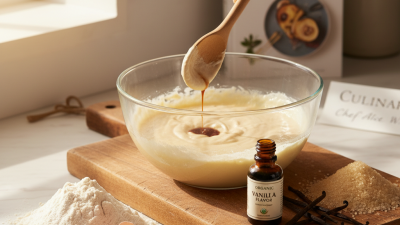
| Vanilla | Cured pods of Vanilla species orchids | Extract, powder, paste, or oleoresin | Baked goods, dairy foods, desserts, beverages, and confectionery | Extracts may contain a carrier such as water or alcohol; check flavor strength and carrier suitability for the product. | Verify that the ingredient and any carrier meet the applicable organic rules; request current certification and traceability records. |
| Citrus | Peels of fruits such as orange, lemon, and lime | Essential oil, extract, juice concentrate, or dried peel | Beverages, confectionery, bakery products, sauces, and dairy foods | Oil-based forms may disperse differently from water-based forms; confirm solubility, dosage, and oxidation controls. | Check the documented agricultural origin, extraction method, carrier ingredients, and applicable pesticide-residue requirements. |
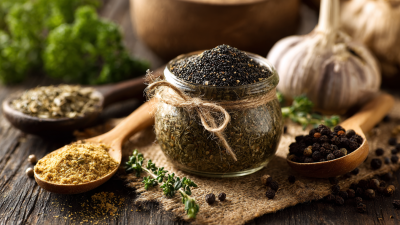
| Herb | Leaves of culinary herbs such as basil, rosemary, mint, or thyme | Dried herb, extract, or essential oil | Dressings, sauces, savory snacks, soups, and meat or plant-based products | Dried herbs contribute visible particles; extracts and oils can provide a more concentrated flavor. Heat may change some fresh-herb notes. | Confirm the botanical identity, plant part, processing aids, and organic status of each component. |
| Spice | Seeds, bark, roots, rhizomes, or fruits, such as cardamom, cinnamon, ginger, or pepper | Whole or ground spice, extract, or oleoresin | Baked goods, beverages, sauces, seasonings, and prepared foods | Ground spices add both flavor and solids; extracts can offer a more concentrated profile. Check heat stability and flavor intensity. | Request lot-level identity and traceability documentation, plus applicable microbiological and contaminant specifications. |
| Cocoa | Fermented, dried, and processed seeds of the cacao tree | Cocoa powder, extract, or cocoa-derived flavor preparation | Chocolate, bakery products, dairy desserts, beverages, and confectionery | Cocoa powder affects color and solids as well as flavor; check fat content and compatibility with the recipe. | Verify organic certification scope for the specific cocoa ingredient and review ingredient, allergen, and traceability documents. |
| Fruit | Edible fruit flesh, peel, or other permitted plant parts | Juice concentrate, puree, powder, or extract | Beverages, yogurt, jams, confectionery, frozen desserts, and bakery fillings | Fruit ingredients can contribute water, sugars, acidity, and color; evaluate their effects on the recipe and shelf life. | Check the certified status of the complete ingredient, including any added carriers or processing aids, under the destination-market rules. |

Chinese suppliers may offer organic-certified fruit, herb, spice, and fermentation-derived flavorings. Fruit options include citrus oils, apple concentrates, and berry extracts. Citrus oils bring bright peel notes to beverages, while apple can add soft sweetness to bakery fillings. Herbal extracts such as mint or rosemary suit drinks and savory foods. Ginger, cinnamon, and chili extracts provide warmer profiles. Available forms vary: liquid oils, water-soluble extracts, and spray-dried powders each behave differently in production.
FiBL and IFOAM’s The World of Organic Agriculture 2024 reports global organic retail sales of about €135 billion in 2022. This signals a substantial organic-food market, not flavor-specific demand. For buyers, certification scope matters: confirm that the certificate covers the ingredient, processing site, and relevant supply chain. Ask for batch traceability and technical data, including solubility and recommended use levels.
Harvest conditions can shift aroma intensity. A lively citrus sample may taste muted after baking. Test it in the finished product. Small batches matter. Suppliers should also clarify whether a flavor is a single extract or a blend, and disclose carriers and allergens. This detail is easy to overlook, and organic status alone does not guarantee a consistent flavor profile.
For global buyers, organic flavoring is not verified by one universal certificate. FiBL and IFOAM’s 2024 World of Organic Agriculture report estimates global organic food and drink sales reached €135 billion in 2022. That market scale makes certification scope more than paperwork. Buyers sourcing from China should confirm that a supplier’s certificate covers the actual flavoring, production site, and intended export market. China’s organic certification alone may not meet every destination’s requirements.
Ask for current certificates, audit scope, product specifications, and batch-level certificates of analysis. Check ingredient origin, processing aids, allergens, pesticide residues, microbiological results, and traceability records. For each shipment, confirm that the documents match the lot number on the packaging. Where required, obtain transaction or import documentation for the destination market. Details matter. Organic status does not automatically prove flavor strength, consistency, or shelf stability.
A weak point remains: paperwork can look complete while batch controls are thin. Review how the supplier handles deviations, retains samples, and tracks changes in raw materials. Request test methods and limits, not just a pass statement. For higher-risk ingredients, consider independent laboratory testing before approval. Even careful audits have limits. Regular reviews and clear specifications help catch changes before they reach production.
When evaluating China’s organic flavoring suppliers, begin with documents, not polished product descriptions. Ask for current organic certificates and confirm which ingredients, facilities, and processing steps they cover. A certificate for one product does not automatically cover every flavor in a catalogue. Request ingredient specifications, batch records, and a recent certificate of analysis for the sample under review. Paper is not proof.
Check how the supplier controls sourcing and production. Can staff trace a botanical ingredient to its supplier and lot? Ask how they prevent mix-ups between organic and conventional materials, and how they clean shared equipment. Request clear information about carriers, solvents, and processing aids. These details can affect whether a flavor suits your product and target market. Specific answers matter.
Then test the flavor in the food or beverage you actually plan to make. A sample can taste bright in water but fade in a baked product or acidic drink. Compare batches, note dosage, and check aroma after storage. Taste still matters. Ask about minimum order quantities, lead times, and how the supplier handles a failed batch. A small trial may reveal more than a long presentation, though it cannot predict every production issue. Keep records, and revisit assumptions when the formula changes.
Global buyers sourcing organic food flavorings should begin with a clear product brief. Specify the flavor profile, intended application, dosage range, carrier ingredients, and target markets. Ask suppliers for current organic certificates, ingredient breakdowns, allergen statements, and batch-specific certificates of analysis. Test samples in the actual recipe, not only on a tasting strip. A citrus note can shift after baking or storage. Small details matter.
Customization works best when both sides agree on measurable targets. Describe whether you need liquid or powder, heat stability, solubility, color limits, and packaging size. Request pilot samples and record the formula version, test date, and feedback. Confirm minimum order quantities, lead times, and change-control procedures before approving production. A “close enough” sample can become a costly mismatch. Taste is subjective; written specifications reduce avoidable surprises.
Tips: Check that organic documentation covers the exact ingredient and is suitable for the destination market. Ask about lot traceability, storage conditions, and shelf-life dating. Before shipment, confirm label language, net weight, case markings, and export documents with your importer or customs broker. Keep retain samples. Requirements differ by market, so verify details before goods leave. One overlooked label can delay a shipment.
Minimum organic agricultural ingredient content for selected organic label claims. Thresholds exclude water and salt where applicable.
The USDA “Organic” claim, the EU organic designation for processed foods, and China’s organic product standard use a 95% threshold. The USDA “Made with Organic” claim has a 70% minimum. Verify current rules and certification requirements for the destination market before sourcing or labeling products.
Sources: USDA organic labeling standards; EU Regulation 2018/848; China GB/T 19630-2019.
(Your form has been submitted.)
We'll be in touch soon! Until then, take a look around — you never know what you'll find!