How to Choose the Best Food Flavorings and Extracts for Your Recipes?
Choosing the right food flavorings and extracts can elevate your dishes in unexpected ways. They are essential in baking, cooking, and crafting beverages. The right choices can enhance flavors or add unique twists. Yet, navigating through various options can be overwhelming.
When selecting food flavorings and extracts, consider the source and quality. Natural extracts often provide richer flavors than artificial ones. Pay attention to the ingredient list. Some products may contain additives, which can affect taste. Don't shy away from experimenting. Mixing flavors can lead to delightful discoveries. Still, it’s crucial to be aware of balance. Too much can overpower a dish, while too little may go unnoticed.
Reflect on your preferences and the flavors you enjoy. Trust your palate, and learn from your mistakes. Not all experiments will yield the desired outcome, and that's okay. With food flavorings and extracts, every attempt is a step towards mastering the art of flavor.
Understanding Different Types of Food Flavorings and Extracts
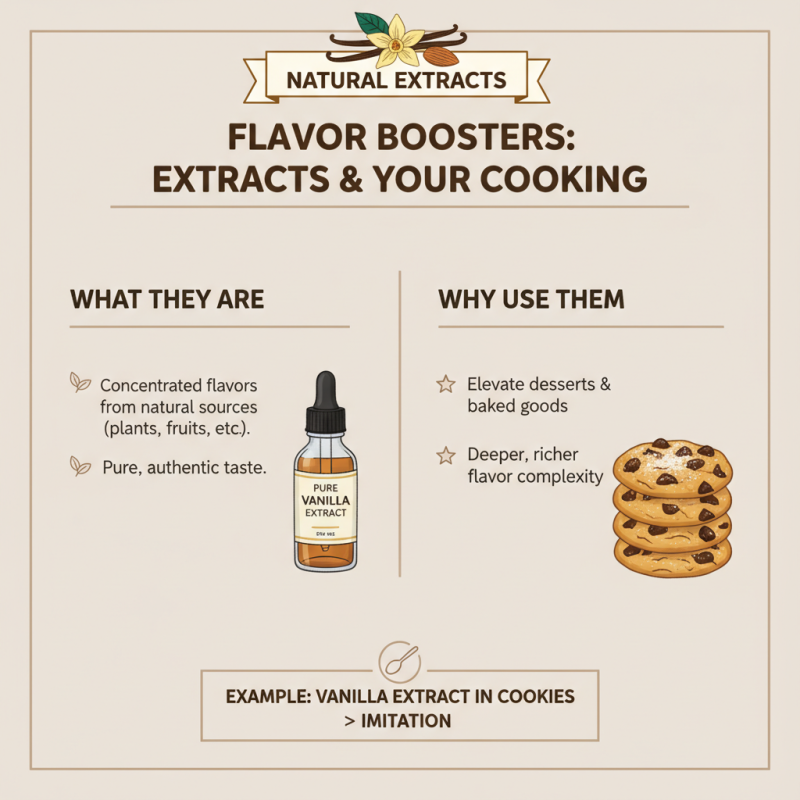
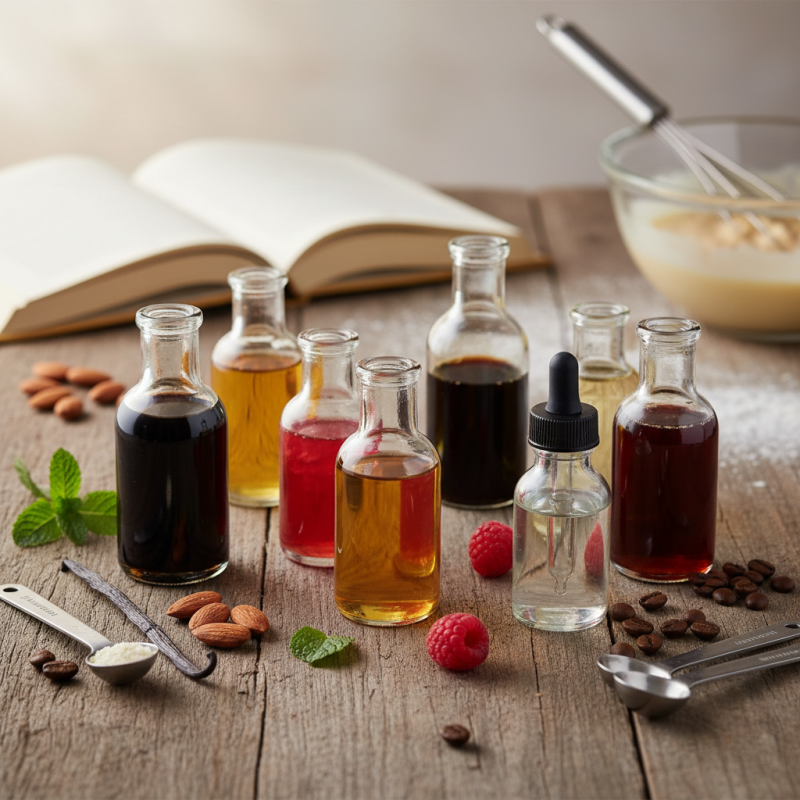
When it comes to enhancing flavors in your cooking, understanding different types of food flavorings and extracts is essential. Natural extracts, like vanilla or almond, offer rich, authentic flavors. They can elevate your desserts and baked goods immensely. For instance, using a pure vanilla extract in cookies creates a depth that imitation versions can't replicate.
Artificial flavorings provide a convenient alternative. They are budget-friendly and often offer longer shelf life. However, the taste can be inconsistent. Sometimes, they may lack the complexity found in natural options. Be cautious when using them; too much can overpower your dish.
Tips: Always measure your flavorings accurately. Doing this helps maintain a balanced taste. Experiment with small quantities first, then gradually increase. This method prevents overpowering flavors. It’s essential to trust your palate. Learn from your mistakes and adjust as needed to achieve your desired outcome.
Evaluating Flavor Strength and Concentration for Optimal Results
Choosing the right food flavorings and extracts can make or break a recipe. Evaluating
flavor strength and concentration is key. The
Institute of Food Technologists notes that flavor strength
affects how much of a product you should use. Higher concentrations can overwhelm a dish,
while lower strengths may require more product. Finding balance is vital.
When using extracts, consider their potency. A study by the
Food and Agriculture Organization suggests that
vanilla extract can vary significantly in concentration. For instance, pure vanilla extract
is about 35% alcohol, which influences flavor
release. Using too much can lead to bitterness, while too little may result in a lack of depth.
Taste testing is essential for accuracy.
Pay attention to the application method. Whether incorporating extracts into dough or using
flavorings in sauces, the way you add these products matters. A pinch here or a drop there
can alter the outcome. There’s no one-size-fits-all approach. Inconsistent measurements can
lead to unsatisfactory results. Always adjust based on your recipe’s needs, and don’t shy
away from experimentation.
Assessing Ingredients for Quality and Purity in Flavorings
When selecting food flavorings and extracts, quality and purity are paramount. Recent industry reports indicate that over 30% of flavoring products do not meet acceptable purity standards. Consumers should scrutinize ingredient lists. Natural flavorings often yield better flavor profiles and are less likely to contain synthetic additives.
Tips: Look for flavorings labeled as "organic" or "natural." These designations frequently indicate fewer chemical residues.
Moreover, consider the sourcing. Ingredients from reputable suppliers have been shown to maintain higher quality. Always check for certifications like ISO or USDA organic. These markings can offer reassurances of higher standards. Remember, price doesn’t always equate to quality. Sometimes expensive products may lack transparency.
Tips: Research the suppliers and their production methods. Always read customer reviews for insights into conflicting experiences.
Unexpectedly, some flavors can have harmful contaminants. Consider the potential risks associated with poorly sourced flavorings. Regular testing can help, but transparency from manufacturers is critical. The need for trust in the sourcing process cannot be overlooked.
Pairing Flavorings with Ingredients: Tips for Balanced Taste
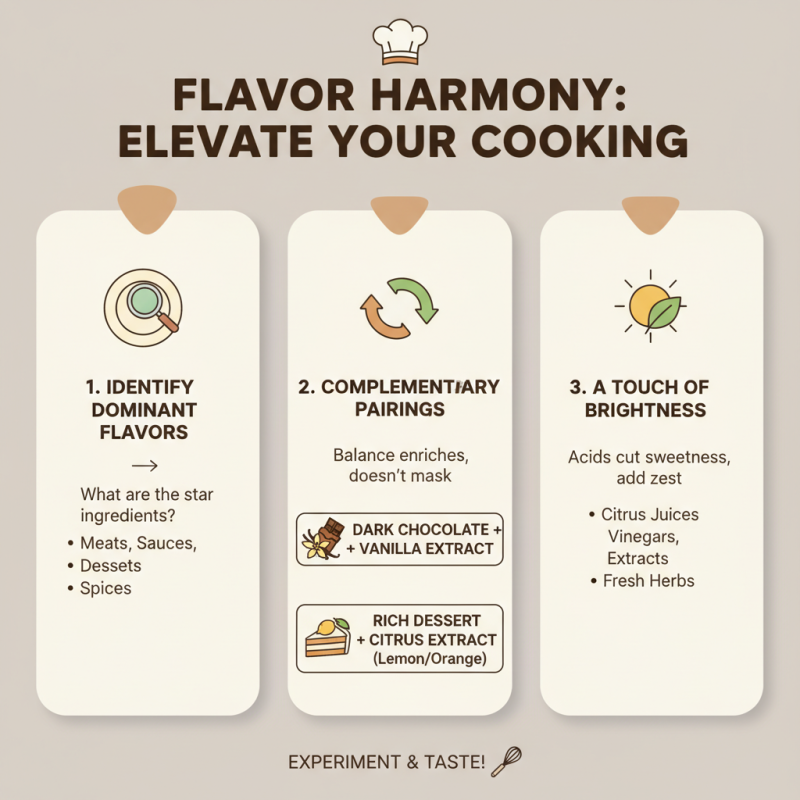
Balancing flavors in your dishes can elevate your culinary creations. Start by identifying the dominant ingredients in your recipe. For instance, if you use dark chocolate, consider adding a splash of vanilla extract. It complements the chocolate's richness without overpowering it. Citrus extracts can also add brightness. A drop of lemon extract in a rich dessert can balance sweetness.
However, not all pairings are perfect. You might try adding almond extract to a fruit salad. It may seem promising, but it can dominate the delicate fruit flavors. It’s crucial to taste as you go. This ensures that the flavorings enhance rather than mask the main ingredients. Sometimes, less is more.
Experimentation is key. Consider using fresh herbs alongside flavor extracts. Basil and lemon add depth to chicken dishes. Yet, pairing too many flavors might confuse the palate. Simplicity can lead to stunning results. Think about what each ingredient brings to the table. Reflect on your past cooking experiences. Learning from small missteps is part of perfecting your flavor combinations.
Storing and Handling Flavorings to Maintain Freshness and Potency
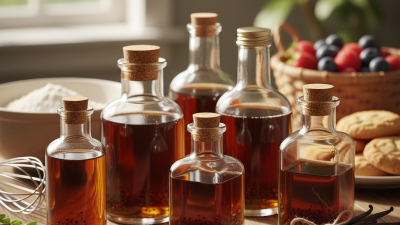
Storing flavorings properly is crucial for maintaining their freshness and potency. Light and heat can significantly diminish their quality over time. Keep flavor extracts in dark glass bottles. This simple step can prolong their shelf life. Store them in a cool, dark area, away from the stove or windows. It's easy to forget about these details, but they can make a huge difference.
Handling flavorings with care is also important. Always use clean utensils to prevent contamination. This is often overlooked. Even a small drop of water can spoil or dilute extracts, affecting their strength. Check the expiration dates regularly. You might find that some flavorings have lost their effectiveness. Trust your senses; if it smells off, it probably is. Consider keeping a log of when you purchase each item. This practice helps track freshness and usage.
Don’t be afraid to experiment, but do so with caution. Mixing different flavorings can create amazing results. However, using too much can ruin a dish. Start with a small amount and adjust as needed. Remember, it's about enhancing the food, not overpowering it. A thoughtful approach to storage and handling can elevate your culinary creations.
 Blog
Blog