How to Choose the Right WPC Planks for Your Project?
When embarking on a construction or renovation project, selecting the right Wpc Planks is crucial. Wood-plastic composites (WPC) are increasingly favored for their durability and aesthetics, making them a popular choice for modern flooring and decking. According to a recent report by the Composite Building Materials Association, the market for WPC planks has grown by 18% annually over the last five years. This growth highlights the rising demand for sustainable and low-maintenance building materials.
Industry expert, Dr. Edward Lawson, states, "Choosing the right WPC plank requires not only understanding the specifications but also knowing the environmental impacts." His insights emphasize the importance of considering long-term benefits alongside immediate needs. The versatility of WPC planks is appealing, yet potential buyers must weigh factors like color, texture, and environmental footprint.
In a market filled with options, making an informed decision can be challenging. Some planks may not meet expected performance standards. It's essential to thoroughly evaluate various products. Remember, the right choice of WPC planks could enhance your project's longevity and overall quality.
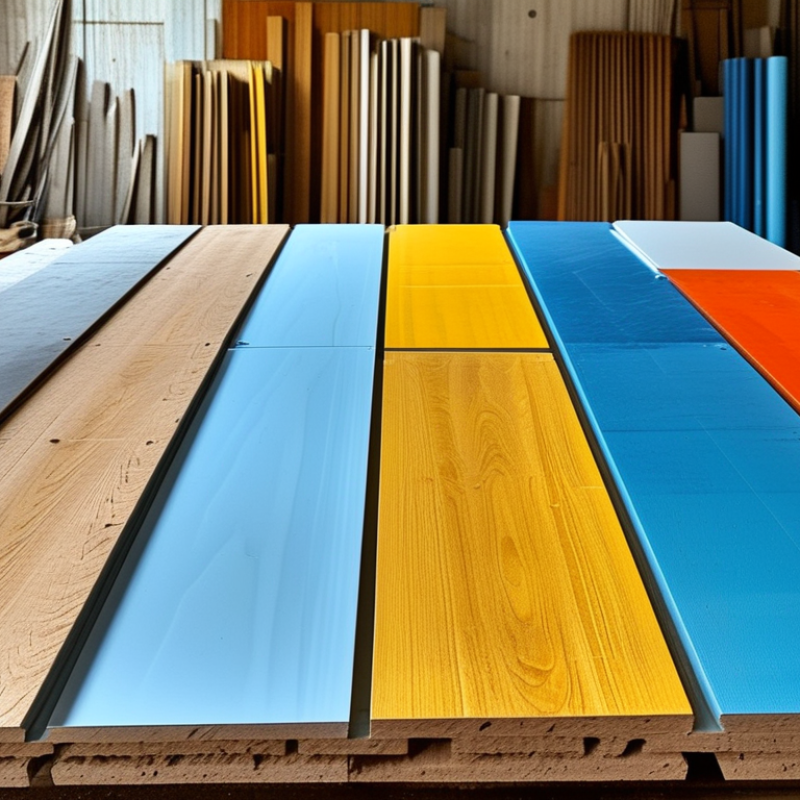
Understanding WPC Planks: Material Properties and Benefits
WPC (Wood Plastic Composite) planks have gained popularity in recent years. These materials blend wood fibers and plastic, creating a unique product. They are durable, resistant to moisture, and require minimal maintenance. Over time, they have become a practical choice for outdoor decks and indoor flooring.
When selecting WPC planks, consider their material properties carefully. The density and composition can affect strength and durability. Some planks may fade in color after prolonged sun exposure. Others might scratch more easily. It's essential to weigh the pros and cons based on your particular needs.
In terms of benefits, WPC planks excel in versatility. They can be manufactured in various colors and textures. This adaptability allows them to fit diverse design aesthetics. Homeowners and builders appreciate their eco-friendly aspects as well. While they contain plastic, many products use recycled materials. Still, it’s crucial to ask about this aspect, as not all manufacturers prioritize sustainability.
WPC Planks Properties Comparison
This chart compares various properties of WPC planks such as durability, cost, maintenance, aesthetic appeal, and environmental impact based on a rating scale from 1 to 10. Choose the right WPC planks for your project by considering these essential properties.
Identifying Your Project Needs: Size, Location, and Usage
When selecting WPC planks, it's crucial to identify your project needs. Consider the size of your space. Larger projects may require longer planks to minimize joints. A small balcony might do well with shorter pieces. Think about the area’s dimensions. Measure carefully to avoid miscalculations.
Location plays a significant role too. Outdoor spaces need planks that withstand moisture and UV rays. Indoors, aesthetics might take priority over durability. Reflect on the intended usage. High-traffic areas necessitate stronger materials. A garden path needs different attributes than a cozy deck.
Don’t underestimate the impact of climate. In humid areas, choosing planks resistant to mold is wise. In sunny locations, UV protection is essential. Sometimes, your ideal choice might not be the most obvious one. Prioritizing your project needs ensures you choose the right WPC planks, avoiding potential regrets later.
How to Choose the Right WPC Planks for Your Project?
| Dimension | Size (ft) | Location | Usage | Recommended Thickness (inches) | Color Options |
| Decking | 12 x 8 | Outdoor | Flooring | 1 | Brown, Gray |
| Fencing | 6 x 6 | Outdoor | Privacy | 0.75 | Natural, Black |
| Railing | 10 x 4 | Outdoor | Safety | 1.5 | White, Beige |
| Siding | 10 x 5 | Outdoor | Exterior | 0.5 | Earth Tones, Composite |
| Garden Bed Edging | 4 x 8 | Outdoor | Landscaping | 0.5 | Green, Redwood |
Evaluating Aesthetics: Color, Texture, and Finish Options
When specifying WPC planks for your project, aesthetics play a critical role. The color, texture, and finish directly influence the visual appeal of the final installation. According to a survey by the Composite Lumber Manufacturers Association, over 70% of homeowners prioritize the look of decking materials. This statistic underscores the importance of selecting colors that complement your environment. Earthy tones like browns and grays blend naturally, while vibrant colors can inject personality.
Texture is equally essential. Many consumers report that a natural wood-like texture not only enhances visual appeal but also adds a tactile experience. A report from Allied Market Research shows that 60% of buyers prefer surfaces with a wood grain finish for its authenticity. However, some may find these textures challenging to maintain, as grooves can accumulate debris, leading to potential cleanliness issues.
Finishing options can further refine the aesthetic quality of WPC planks. Matte finishes offer a subtle elegance, while glossy options provide a modern touch. Yet, glossy surfaces may show scratches more easily. A study from the American Institute of Architects points out that about 40% of designers recommend considering maintenance needs when selecting finishes. Balancing aesthetics with practicality can be tricky but ultimately vital for long-lasting satisfaction in your project.
Comparing WPC Brands: Quality, Price, and Warranty Considerations
Choosing the right WPC (Wood Plastic Composite) planks involves analyzing various brands based on quality, price, and warranty. A recent report from the Freedonia Group indicates that the WPC market is expected to grow by over 10% annually in the coming years. This growth is driven by their durability and low maintenance requirements, making WPC an attractive option for many homeowners.
When comparing brands, evaluate the materials used. High-quality WPC planks often include a higher percentage of wood fiber, enhancing aesthetics and strength. Price can vary significantly; some brands offer budget-friendly options, while others may charge a premium for specialized finishes. A 2022 industry study found that mid-range brands often provide the best balance between quality and affordability. Additionally, warranty terms are critical. A longer warranty generally reflects the manufacturer's confidence in their product. However, it's essential to read the fine print. Some warranties may have limitations that could surprise the consumer.
Understanding these aspects requires careful consideration. Brands may market their products with impressive claims, but the reality can differ. Always check reviews and third-party ratings. This diligence ensures a wise investment in WPC planks, reflecting both quality and value. It is important to remain critical of marketing tactics that promise perfection. Instead, look for genuine user feedback and expert insights to guide your decisions in this competitive market.
Installation and Maintenance: Tips for Long-Lasting Performance
When installing WPC planks, preparation is key. Start with a stable and level surface. This avoids future issues. Use a reliable underlayment to enhance moisture control. Proper spacing between planks is crucial, allowing for expansion and contraction. This small detail can prevent warping over time.
Regular maintenance keeps your WPC planks looking great. Clean the surface with mild soap and water for easy care. Avoid harsh chemicals that can damage the finish. Inspect the boards periodically for signs of wear or damage. Addressing issues early can extend the lifespan of your decking. Consider using a UV protectant to reduce fading from sunlight. This extra step can make a significant difference.
Sometimes, unexpected challenges arise. One common issue is mold growth in humid climates. Regular cleaning can help, but it may require deeper intervention. Additionally, shifting foundations may lead to gaps between planks. Acknowledging these potential problems prepares you for a resilient installation. Balancing aesthetics with functionality is essential for long-lasting performance.
 Blog
Blog