How to Choose the Best French Vanilla Extract?
Choosing the right french vanilla extract can transform a simple dessert. It can add warm, creamy notes to custards, cakes, coffee, and sauces. Yet the label often creates confusion. “French vanilla” usually describes a rich, custard-like flavor profile. It does not necessarily mean the vanilla came from France.
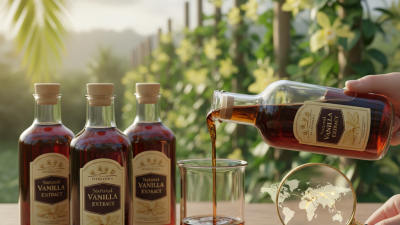
A dependable choice begins with the ingredient list. Look for real vanilla beans, vanilla extractives, or clearly identified natural flavoring. Check the vanilla source when the producer provides it. Madagascar vanilla may offer bold, familiar sweetness, while Tahitian vanilla can taste more floral and fruity. These differences matter in delicate recipes. A reputable brand should provide clear labeling, batch information, and sensible storage guidance. Dark glass bottles are often helpful because light can weaken aroma over time.
I have compared extracts by smelling them over warm milk, then tasting small amounts in plain custard. That method exposes harsh alcohol notes and artificial sweetness quickly. Still, personal preference can mislead me. A powerful extract is not always the best one. Bakers should consider concentration, budget, recipe temperature, and desired intensity. Alcohol-based extracts usually disperse well in batter, while alcohol-free versions may suit specific dietary preferences. However, their flavor and texture can differ.
This guide examines those practical details. It also considers authenticity, value, freshness, and everyday performance. The “best” bottle may not be the most expensive. It should be consistent, transparent, and suitable for your kitchen. Expect a few trade-offs. That is normal.
What French Vanilla Extract Is and How It Differs from Other Varieties
French vanilla extract is often misunderstood. It does not necessarily come from France, and “French vanilla” is usually not a separate vanilla species. The term commonly describes a richer, custard-like flavor with creamy, caramel, and gently floral notes. Real vanilla extract comes from cured vanilla beans steeped in alcohol and water. This process draws out hundreds of aromatic compounds.
French vanilla differs from standard vanilla mainly through flavor design and labeling. Standard vanilla usually tastes clean, sweet, and direct. French vanilla may suggest pastry cream, warm milk, or a soft caramel finish. Some products use natural vanilla with added flavoring to create this profile. Others may contain artificial vanillin. Check the ingredient list carefully. “Pure vanilla extract” and “French vanilla flavor” are not always interchangeable terms.
I once chose an extract by its pleasant smell alone. That was a mistake. A strong aroma did not always produce depth in custard or cake. For a reliable choice, compare the bean source, extraction ingredients, and stated flavor type. Place one drop on a clean spoon, then notice its finish after several seconds. It should smell rounded, not sharply alcoholic. Use French vanilla in ice cream, cream sauces, and baked goods where its softer profile can remain noticeable. In dark chocolate desserts, it may disappear. That limitation matters.
Key Factors for Evaluating Quality, Flavor, and Ingredient Purity
How to Choose the Best French Vanilla Extract?
Key Factors for Evaluating Quality, Flavor, and Ingredient Purity
French vanilla usually describes a rich, custard-like flavor, not necessarily vanilla produced in France. Look for an extract made with real vanilla beans, water, and alcohol. Ingredient lists should remain short and easy to understand. Added sugar, artificial vanillin, or vague flavoring terms may change the expected taste. Labeling rules differ by region, so check the exact wording carefully.
Quality becomes clearer through aroma and color. A good extract often smells warm, floral, and slightly woody. It should not smell sharply alcoholic after a few seconds. Color alone proves little, because caramel coloring can deepen the appearance. Try one drop in warm milk or a simple custard. The flavor should develop gradually, with notes of cream, spice, and dried fruit. Harshness is a warning sign.
Small details matter. Check the vanilla species, country of origin, batch information, and suggested storage conditions. Transparent producers usually provide these details and explain their testing practices. A sealed, dark bottle can help protect delicate aromas from light and heat. I once judged an extract by its dark color and regretted it; the flavor was flat. That mistake still matters. Compare the aroma, ingredients, and aftertaste together, rather than trusting one attractive label.
How Vanilla Origin, Processing, and Strength Affect Your Choice
How to Choose the Best French Vanilla Extract?
French vanilla extract is not necessarily made from vanilla grown in France. The term usually describes a rich, custard-like flavor. Origin still matters. Beans from Madagascar often offer familiar sweet, creamy notes. Tahitian vanilla can taste more floral and fruity. Mexican vanilla may provide deeper spice. These differences are noticeable in whipped cream, pastry cream, and simple butter cookies.
Processing changes the result. Carefully cured beans should create a clean aroma, without a sharp chemical smell. Traditional alcohol extraction pulls many flavor compounds from the beans. Alcohol-free extracts can work well, but their texture and finish may differ. Check the ingredient list for vanilla beans or vanilla extract, rather than relying only on attractive wording. A dark color is not proof of quality. I once chose a very dark bottle that tasted flat.
Strength deserves attention. Standard single-fold extract suits most home recipes. Double-fold extract is more concentrated, so use less when replacing regular extract. Add it to warm custards after cooking when possible. Excess heat can weaken delicate aromas. For cold desserts, taste the mixture before adding more. My own judgment is not perfect; a strong extract can seem impressive at first, then overpower the cream. Choose the cleanest flavor for the recipe, not simply the strongest one.
How to Compare Labels, Prices, Storage Needs, and Shelf Life
How to Choose the Best French Vanilla Extract?
When comparing French vanilla extracts, read the ingredient label before judging the bottle. Look for vanilla bean extractives, alcohol, and water. Some products also contain sugar, caramel color, or added flavor compounds. “French vanilla” often describes a creamy flavor style, not a guaranteed recipe. The label matters more than the name. I once chose a cheaper bottle with attractive packaging, then noticed its vanilla aroma disappeared during baking. That mistake changed how I shop.
Compare prices by volume, such as cost per ounce, rather than by bottle size. A small bottle may contain a stronger extract and require less per recipe. Check the suggested serving amount, too. A lower price is not always better value. Avoid judging quality from color alone. Natural extracts can range from amber to dark brown. Clear labeling is more useful. Still, label comparisons are imperfect because extraction strength and vanilla origin may differ.
Store the bottle tightly closed in a cool, dark cabinet. Keep it away from ovens, windows, and damp shelves. Refrigeration is usually unnecessary and may encourage condensation after opening. Commercial extract often keeps its quality for several years, but its aroma can gradually weaken. Smell it before use. If the scent seems flat, test a small amount in custard or frosting. My own storage habits have not always been ideal, so I now write the opening date on the label. That simple detail prevents guesswork.
How to Choose the Best French Vanilla Extract?
Compare the label, price, storage requirements, and expected shelf life before buying. The chart shows typical shelf-life guidance for common vanilla products; always follow the manufacturer’s label.
| Product type |
Label check |
Typical price per 100 ml |
Storage guidance |
| Pure vanilla extract |
Vanilla bean extractives and at least 35% alcohol in the United States |
About US$8–25 |
Cool, dark cupboard; keep tightly closed |
| Imitation vanilla flavor |
Flavoring substances such as vanillin; may contain little or no vanilla extract |
About US$2–8 |
Cool, dark cupboard; protect from heat and light |
| Vanilla bean paste |
Check the percentage of vanilla, added sugar, syrup, and thickeners |
About US$10–30 |
Follow the label; refrigerate after opening when instructed |
Pure extract usually costs more but offers a longer quality window because its alcohol content helps preserve it. Imitation flavor is generally the lowest-cost option and works well in baked goods. Paste provides visible vanilla seeds and a thicker texture, but it often has stricter storage instructions. The shelf-life figures are general guidance, not a guarantee; discard any product with an unusual odor, appearance, or contamination.
 Blog
Blog