How to Choose a Beverage Flavor House for Your Brand?

Choosing a beverage flavor house is not just a sourcing decision. It shapes the first sip, the aftertaste, and whether a drink still tastes right after processing and storage. The stakes are growing. Grand View Research valued the broader global flavors and fragrances market at about USD 30.5 billion in 2023, reflecting intense competition for sensory distinction. In the International Food Information Council’s 2024 Food & Health Survey, taste was a leading purchase consideration for consumers. A striking aroma on a bench sample means little if it fades in a canned drink.

A beverage flavor house should bring more than an appealing flavor library. It needs experienced flavorists, dependable ingredient documentation, application support, and the ability to test recipes in your actual base. Ask how its team handles sweetness, acidity, carbonation, heat treatment, and shelf life. Request samples in the intended format, not only in water. Flavorist and author John Wright has described flavor creation as a blend of science and art. That balance matters: precise formulation can preserve a bright citrus note, while creative judgment helps it feel distinctive rather than familiar.

The choice also depends on fit. A startup may need quick prototypes and flexible minimums; a large producer may prioritize repeatability across plants. Ask who owns each trial, how revisions are tracked, and what happens when a key ingredient changes. Then taste again after a few weeks. This part is easy to overlook. No supplier can promise a perfect launch, and a polished first sample may hide weaknesses. Choose a partner willing to explain trade-offs, document decisions, and revise the flavor with you.

How to Choose a Beverage Flavor House for Your Brand?

Define Your Beverage Flavor Needs and Brand Requirements

Before comparing flavor houses, define what the drink must taste and feel like. Describe the target consumer, format, sweetness, acidity, and serving temperature. A sparkling citrus drink served cold may need a different flavor profile from a still beverage at room temperature. Be specific. “Bright lemon with a dry finish” gives a development team more direction than “fresh and natural.” Note any ingredients or sensory qualities to avoid, too.

Set practical requirements alongside taste. Share the beverage base, processing conditions, expected shelf life, and target cost range. If the drink will be pasteurized or exposed to light, ask how flavor performance can be assessed under those conditions. Request relevant documentation, such as ingredient specifications and allergen information, and clarify what support is available during trials. Details matter.

A small, structured tasting can reveal gaps in the brief. Compare samples at the intended serving temperature, using the actual beverage base when possible. Record aroma, first sip, aftertaste, and changes over time. Keep notes factual; “too perfumey” is imperfect language, but still useful feedback. Some requirements may conflict, such as a strong fruit note and a low cost target. State that trade-off early, and rank priorities. A clear brief cannot guarantee a perfect match, but it makes the development process more focused and easier to evaluate.

Assess Flavor House Expertise and Industry Experience

A capable beverage flavor house should understand how flavor behaves beyond a tasting cup. Ask about its work with your drink format, processing method, and target shelf life. Heat treatment, acidity, carbonation, and sweetener choice can all change how a flavor comes through. Specific examples matter more than broad claims.

Look for technical staff who can explain their recommendations in plain language. They should describe how samples are prepared, what variables are tested, and how feedback is recorded. Ask whether they can adjust a flavor after pilot runs, when production conditions may differ from the bench. Details like dosage range, batch notes, and sensory-panel criteria help reveal a disciplined process. Small details count.

Industry experience is useful, but it is not a guarantee of fit. A team familiar with sparkling drinks may still need time to understand a creamy or botanical profile. Request relevant case examples without relying on confidential client names, and ask what changed between the first and final sample. Notice whether the answers include setbacks as well as successes. A polished presentation is not proof. Flavor work can be iterative, and even experienced teams sometimes miss a note that becomes obvious after storage. Choose a partner willing to test, document, and revise rather than promise a perfect result on day one.

How to Choose a Beverage Flavor House for Your Brand? — Assess Flavor House Expertise and Industry Experience
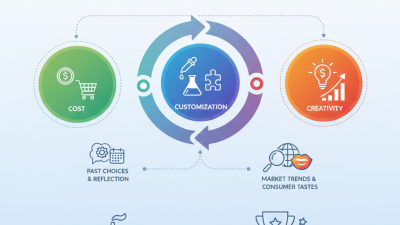
Evaluation Dimension What to Assess Evidence to Request Practical Evaluation Guide Suggested Weight
Relevant beverage experience Experience with the beverage types, processing conditions, and product formats relevant to your project. Redacted project examples, product briefs, and references from comparable beverage applications. Look for experience with the specific application, such as carbonated drinks, dairy beverages, or powdered mixes—not just food flavoring generally. 20%
Technical and formulation expertise Ability to account for pH, heat treatment, carbonation, sweetener systems, and other factors that can affect flavor performance. Technical discussion of formulation constraints, recommended trials, and relevant stability or sensory data. Ask how the proposed flavor is expected to perform in your process and what variables may require adjustment. 20%
Regulatory and documentation support Capacity to provide current product documentation and support market-specific ingredient and labeling reviews. Ingredient specifications, allergen statements, safety data where applicable, and documentation for the intended sales markets. Confirm the scope and limitations of the supplier’s regulatory support; final compliance should be checked for the finished product and target market. 15%
Sensory development process How the flavor house translates a brief into samples, organizes feedback, and refines flavor direction. A sample-development plan, sensory evaluation method, and examples of clear iteration notes. Assess whether sample rounds have defined objectives, such as adjusting aroma, sweetness perception, or flavor persistence. 15%
Ingredient sourcing and supply continuity Transparency about key ingredient sourcing, availability, substitutions, and supply risks. Supply-risk communication, change-notification practices, and available alternatives for critical ingredients. Ask how the supplier manages specification changes or shortages and whether alternatives require renewed approval or testing. 10%
Quality systems and traceability Documented processes for quality control, batch consistency, traceability, and handling complaints or nonconformances. Relevant quality-system certificates or audit information, traceability procedures, and sample certificates of analysis where applicable. Verify that the documentation matches the facility and product scope involved in your supply arrangement. 10%
Scale-up and production support Support for moving from bench samples to pilot and commercial production while maintaining the intended sensory profile. Scale-up recommendations, batch-size guidance, and a plan for evaluating the flavor in production-representative conditions. Discuss when production trials are recommended and how changes in mixing, processing, or dosage will be assessed. 5%
Communication and project management Responsiveness, clarity of technical communication, sample tracking, and ownership of next steps. A proposed project timeline, named responsibilities, and a consistent process for recording decisions and feedback. Use the initial brief and sample round to assess whether responses are specific, timely, and easy to act on. 5%

Review Formulation, Production, and Regulatory Capabilities

A capable flavor house should explain how it turns a brief into a repeatable beverage formula. Ask how it tests sweetness, acidity, aroma, and stability in your actual drink base. A citrus note may shine in a chilled sample, then fade after pasteurization. Taste can shift. Request sensory evaluations across processing and storage conditions, not just a polished first sample.

Production capability matters just as much as a promising bench formula. Discuss pilot runs, minimum batch sizes, ingredient sourcing, and how the team handles scale-up. Ask whether each batch is checked against agreed specifications, such as color, aroma, and flavor intensity. Review sample batch records and traceability practices. Small details matter. A formula that works in a glass may behave differently in a large tank, and that deserves a candid conversation.

Regulatory support should be clear and specific to your intended markets. Ask how the house reviews ingredient documentation, allergen information, usage levels, and labeling inputs. Confirm who supplies the supporting records and who remains responsible for final label approval. Do not treat a general compliance statement as a substitute for product-specific review. The process may feel less tidy than expected. If answers are vague, request written specifications and identify any gaps before committing to production.

Compare Sampling, Collaboration, and Technical Support

Choosing a beverage flavor house means judging more than its flavor library. Compare how quickly it turns a brief into useful samples, and whether it explains each revision. Ask for a small set of clearly labeled prototypes: one close to your target, one brighter, and one deliberately different. Taste them at the intended serving temperature and dilution. A flavor that sings in a warm lab sample may fall flat over ice. Request ingredient and application guidance alongside each sample, not weeks later. That detail matters when sugar, acidity, carbonation, or processing changes the final profile.

Collaboration should feel specific, not scripted. A good partner asks who will drink the beverage, where, and why. It should record feedback in actionable terms, such as “less lingering sweetness,” rather than “make it better.” Technical support matters just as much: ask how flavors perform in your base, through shelf-life testing, and across production batches.

The 2024 IFIC Food & Health Survey reports that 58% of Americans are trying to limit or avoid sugars. That makes flavor balance and practical formulation advice especially relevant. Still, a survey cannot predict your customers; test with your own audience.

Tips: Share your real formula constraints before sampling. Keep a written tasting scorecard. Ask for a second sample after storage, not only on day one. One honest caveat: prototypes can mislead when tested outside production conditions. Request the test conditions, and make sure your team can reproduce them.

Evaluate Cost, Scalability, and Long-Term Fit

A beverage flavor house should be assessed on more than its sample price. Compare the full cost: development fees, minimum order quantities, testing, freight, and reformulation charges. Ask for quotes at pilot, launch, and projected production volumes. A low-cost formula may become expensive if its ingredients are difficult to source or its taste shifts between batches. Scale matters.

Grand View Research estimated the global flavors and fragrances market at USD 29.3 billion in 2023, with projected growth through 2030. This broad market figure is not a beverage-demand forecast, but it signals a competitive, evolving supply landscape. Ask potential partners how they manage ingredient substitutions, lead times, and quality checks as orders grow. Request a production-scale trial, not just a polished lab sample. A spreadsheet can still miss the cost of delays; that uncertainty deserves a place in your review.

Tips: Share a realistic volume forecast and target cost early. Ask for written specifications, sample retention, and a clear change-control process. Check whether the house can support your next production step, not only today’s test run. Then score each option against the same criteria. Perfect forecasts are rare.

Partners in
Sustainability

Learn More
National Forest Foundation
Upcycled Food