How to Source High Quality Organic Flavors Effectively?
Sourcing high-quality organic flavors is essential for creating exceptional products. In a market filled with artificial options, organic flavors stand out for their purity and authenticity. They offer unique tastes that can elevate culinary experiences significantly. However, not all suppliers provide the same level of quality.
Choosing the right source requires careful evaluation. Look for companies that prioritize sustainability and ethical practices. They should have evidence of quality control measures. Certifications can also enhance reliability, ensuring that the organic flavors meet industry standards. Yet, finding these suppliers is not always straightforward. You might encounter companies that claim to offer organic flavors but lack transparency.
Understanding where your ingredients come from is important. Each aspect of sourcing affects the final product you deliver. Reflecting on your sourcing methods will help improve your offerings. Take time to assess your current suppliers. Are they truly providing the organic flavors you need? Addressing these questions leads to better ingredient choices.

Identifying the Importance of High-Quality Organic Flavors
High-quality organic flavors play a vital role in the food and beverage industry. Consumers today demand products that not only taste great but also align with their health-conscious lifestyles. The importance of sourcing these flavors cannot be overstated. They enhance the sensory experience of a product, influencing customer satisfaction and loyalty.
Choosing organic flavors means selecting options that are free from synthetic chemicals and additives. This choice supports sustainable agriculture and promotes biodiversity. However, sourcing high-quality organic flavors can be challenging. Not all suppliers maintain the same standards. Some might claim organic status without meeting necessary regulations. Detailed research is crucial to find reliable sources. Collaboration with knowledgeable experts in organic food can be beneficial, yet it takes time and effort to build those relationships.
There’s a constant temptation to opt for cheaper alternatives. These may lack the authenticity and depth of flavor necessary for a superior product. Yet, some businesses may still grapple with pricing pressures, leading to compromises in quality. Products can suffer, undermining long-term brand reputation. Striving for high standards is essential, but perfection is often elusive. A continuous evaluation of sourcing strategies can guide businesses towards achieving balance without sacrificing quality.
How to Source High Quality Organic Flavors Effectively? - Identifying the Importance of High-Quality Organic Flavors
| Flavor Type |
Source |
Extraction Method |
Quality Certification |
Usage Applications |
| Vanilla |
Organic Farms |
Cold Extraction |
USDA Organic |
Baking, Confectionery |
| Lemon |
Citrus Groves |
Steam Distillation |
EU Organic |
Beverages, Dressings |
| Mint |
Herb Fields |
Hydrodistillation |
Australian Certified Organic |
Gum, Candies |
| Cinnamon |
Sri Lanka |
Solvent Extraction |
Non-GMO Project Verified |
Baking, Savory Dishes |
| Cardamom |
India |
Steam Distillation |
USDA Organic |
Baking, Beverages |
Understanding Different Sources of Organic Flavor Ingredients
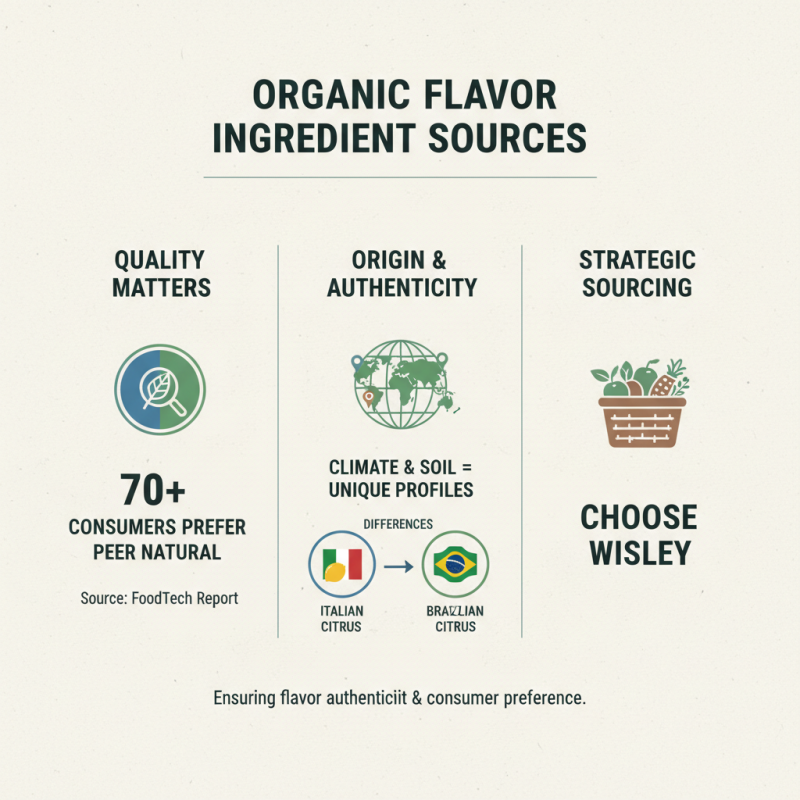
Sourcing high-quality organic flavors requires a deep understanding of ingredient sources. Many businesses overlook the importance of origin. A report from FoodTech reveals that over 70% of consumers prefer naturally sourced ingredients. This trend emphasizes the need to ensure flavor authenticity. Different regions can yield unique flavor profiles, influenced by climate and soil. For instance, Italian citrus may differ significantly from its Brazilian counterpart. Therefore, selecting your sources wisely matters greatly.
Tip: Attend trade shows to connect directly with farmers and producers. This not only builds relationships but also enhances trust in your supply chain.
Verifying certifications is crucial for any organic flavor supplier. According to research by the Organic Trade Association, certification impacts consumer trust. Using unverified suppliers can risk brand integrity. Additionally, considering sustainability in sourcing can enhance the quality of flavors. Many consumers now prefer brands that practice environmental responsibility. Information from recent studies shows that 63% of buyers are willing to pay more for eco-friendly products.
Tip: Regularly audit your suppliers to ensure compliance with organic standards. Reassessing your sources can lead to better quality and adherence to market demands.
Evaluating Suppliers for Quality and Certification Standards
When sourcing high-quality organic flavors, evaluating suppliers is crucial. Quality and certification standards ensure that the ingredients meet safety and ethical requirements. Look for suppliers who are transparent about their sourcing processes and provide documentation for certification.
Tips: Verify certifications such as USDA Organic or similar. These labels help confirm the authenticity of organic claims. Consider visiting the supplier’s facilities if possible. This gives insight into their production processes.
It's also important to assess the supplier’s track record. Check reviews and testimonials from other businesses. It’s a good indicator of reliability and quality. Don’t hesitate to ask questions about their sourcing practices and quality control measures.
Tips: Keep an eye on consistency in product quality. This is essential for maintaining the integrity of your own products. Evaluate your findings regularly. Supplier performance can change over time. An ongoing assessment can prevent future issues.
Conducting Sample Testing and Flavor Profiling
When sourcing high-quality organic flavors, conducting sample testing and flavor profiling are crucial steps. These processes help ensure that the selected flavors meet quality standards and consumer preferences. Start by gathering samples from various suppliers. Analyze their sourcing methods and certifications. This will provide insight into the authenticity of their organic claims.
Testing samples in a controlled environment is vital. Use a standard method to evaluate each flavor's intensity, texture, and aroma. Create a detailed flavor profile for every sample. Document your findings meticulously. This step may reveal unexpected results. Sometimes, flavors may have off-notes that could be masked initially.
**Tips:** Always involve trained sensory panelists for unbiased feedback. Their expertise can uncover subtleties that may otherwise be overlooked. Keep a comparison chart handy to visualize differences between flavors easily. Regularly reassess these profiles as market trends shift. The flavor landscape is dynamic, and staying informed will help maintain quality.
Organic Flavor Quality Comparison
This bar chart shows the quality rating of various organic flavors based on sample testing. A higher rating indicates better flavor quality. The flavors tested include Vanilla, Strawberry, Lemon, Mint, and Chocolate, each scored on a scale from 1 to 10.
Establishing Long-Term Relationships with Reliable Suppliers
Establishing long-term relationships with reliable suppliers is vital in sourcing high-quality organic flavors. Trust is built over time through consistent communication and shared values. According to industry reports, companies focused on long-term partnerships see a 25% reduction in supply chain disruptions. This stability enhances product quality and maintains brand integrity.
Negotiating terms that benefit both parties fosters mutual growth. Many businesses overlook the importance of transparency in sourcing processors. A 2020 survey indicated that 48% of companies failed to verify the authenticity of their organic suppliers. This oversight can lead to compliance issues and damage reputations. Regular audits and performance reviews can mitigate these risks.
Understanding the nuances of the market is essential. Familiarity with trends helps in selecting suppliers who align with evolving consumer preferences. For instance, demand for organic flavors increased by 15% last year, reflecting changing dietary choices. By nurturing these supplier relationships, businesses can adapt to market fluctuations more efficiently. Longevity in partnerships can prove invaluable, yet it requires constant effort and reflection. Balancing risks and opportunities is crucial for ongoing success in this competitive landscape.
 Blog
Blog