What is Essence Vanilla and How is it Used in Recipes?
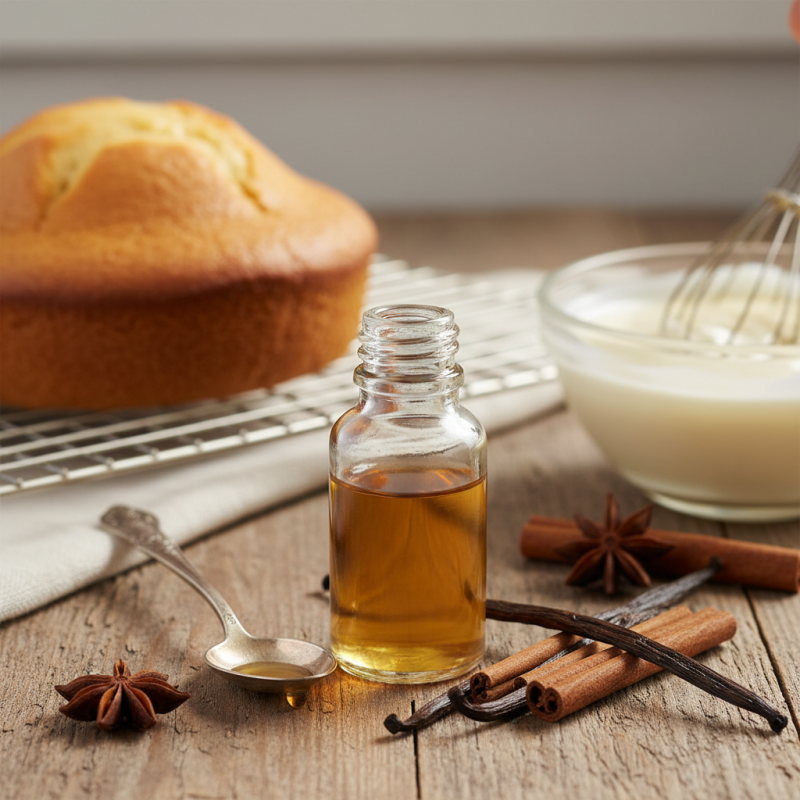
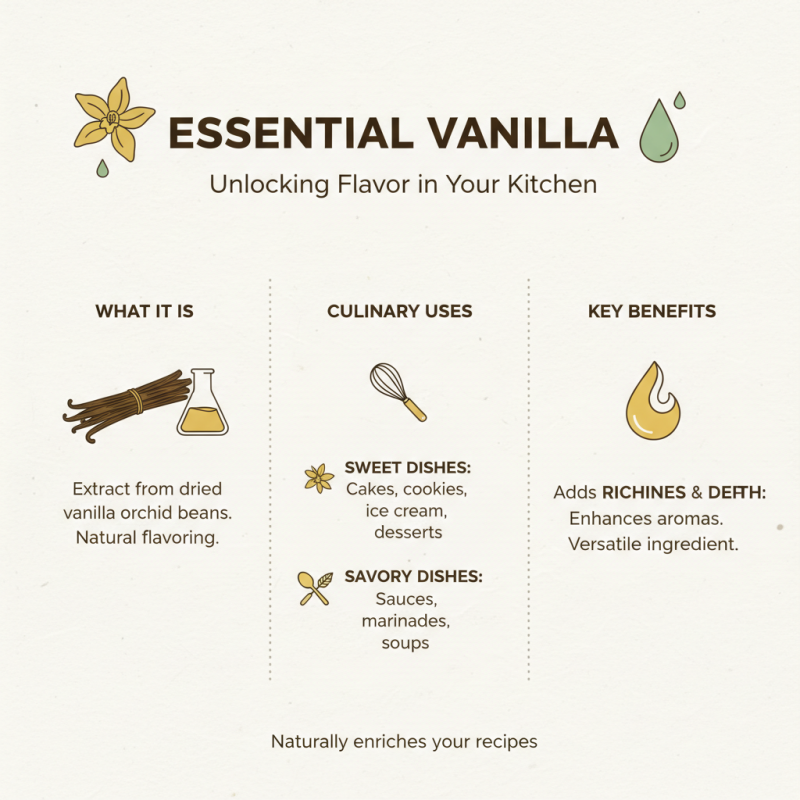
Essence vanilla is a beloved flavoring used in many recipes. This aromatic extract plays a vital role in both baking and cooking. Renowned culinary expert Chef Emily Rose states, “Essence vanilla can transform simple dishes into extraordinary creations.” Her words highlight the importance of this ingredient.
In baking, essence vanilla enhances the sweetness of cakes and cookies. It adds depth to custards and creams. Many home cooks rely on its rich flavor. Yet, it's crucial to choose high-quality essence vanilla. Some products can be overly synthetic and lack authenticity. This choice can affect the overall taste.
The versatility of essence vanilla extends beyond desserts. Chefs incorporate it into savory dishes too. However, it can be easy to overuse this powerful flavor. A little goes a long way. Finding the right balance can be a challenge. Understanding how to use essence vanilla is essential for culinary success.
What is Essence Vanilla?
Essence vanilla is a popular flavoring used in many recipes. It is derived from vanilla beans but in a more concentrated form. Unlike vanilla extract, essence vanilla often contains synthetic compounds that mimic the flavor of natural vanilla. This makes it a more affordable option for bakers and home cooks.
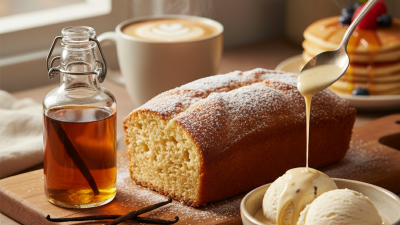
Using essence vanilla can enhance the taste of baked goods. It pairs well with cakes, cookies, and pastries. A few drops can make a significant difference. However, some people find the flavor less authentic than pure vanilla. It's essential to find a balance in your recipes. Too much essence can overpower other flavors.
When using essence vanilla, measure carefully. Start with a small amount and adjust to taste. Some recipes might call for pure vanilla, which can alter the final product's taste. If the recipe is sensitive, consider your options. Not every dish benefits from the substitution. Understanding these nuances can elevate your culinary creations.
The Origins of Vanilla Essence
Vanilla essence originates from the vanilla bean, a fruit of the orchid species. Native to Mexico, vanilla has a long history. The Totonac people first cultivated it. By the 17th century, it gained popularity in Europe due to Spanish colonization. The demand for vanilla soared, making it one of the most sought-after flavors globally. According to recent industry reports, vanilla is second only to saffron in terms of cost.
The process of obtaining vanilla essence is labor-intensive. It takes around three to four years for the orchid to produce beans. Once harvested, the beans undergo curing, which can take several months. This process enhances their flavor. Pure vanilla extract requires steeping the beans in alcohol. Many recipes utilize vanilla essence for its concentrated flavor. Bakers often use it in cakes and cookies.
Tips: When using vanilla essence, start with a small amount. A little goes a long way in enhancing flavors. Consider experimenting with homemade versions. Combine vodka and vanilla beans, letting them steep. Store it for several weeks for a natural essence that rivals store-bought options.
How is Essence Vanilla Made?
Vanilla essence is a favorite among home bakers. It is made from the beans of the vanilla orchid, which is one of the most labor-intensive crops. The process begins with harvesting the vanilla pods, which must be cured for several months. During this time, the pods develop their rich flavor profile. After curing, they are often soaked in alcohol or glycerin to extract the essential oils and flavors.
Experts note that using high-quality vanilla essence can elevate desserts significantly. According to a report by the Flavor and Fragrance Industry, about 30% of the global vanilla market is used in baking and confectionary products. In recipes, a little goes a long way. Just a teaspoon can enhance cakes, cookies, and even beverages. However, not all essences are created equal. Many contain synthetic flavors that may not provide the same depth.
Tip: When substituting, remember that the essence is stronger than vanilla extract. Start with half the amount. Another suggestion is to pair vanilla essence with spices like cinnamon or nutmeg. The combination can bring warmth to your dish. Reflecting on the variety of vanilla available can help you choose the right one for your recipe. Consider experimenting with different sources of vanilla essence for unique flavor profiles.
What is Essence Vanilla and How is it Used in Recipes?
| Aspect |
Details |
| Definition |
Essence vanilla is a concentrated flavoring derived from vanilla beans. |
| Ingredients |
Typically made from vanilla bean extract, alcohol, and water. |
| Uses in Recipes |
Commonly used in baking, desserts, sauces, and beverages. |
| Substitutes |
Vanilla extract, vanilla bean paste, or other flavorings. |
| Storage |
Should be stored in a cool, dark place to maintain potency. |
| Flavor Profile |
Sweet, creamy, and aromatic with complex undertones. |
Common Uses of Essence Vanilla in Cooking
Essence vanilla is a popular ingredient in many kitchens. It adds depth to various recipes. This flavoring is made from the extraction of vanilla beans. It can enrich both sweet and savory dishes.
In cooking, essence vanilla shines in desserts. It complements cakes, cookies, and ice creams beautifully. When used in custards or puddings, it elevates flavors. A recent report indicates that vanilla is among the top five flavors used in baking. It accounts for over 25% of flavoring choices among home bakers.
Tips: To enhance flavor, always add essence vanilla toward the end of cooking. This helps preserve its aromatic qualities. Use it in marinades for meats, too. A few drops can create a surprising twist.
Beyond desserts, consider using essence vanilla in beverages. It can liven up smoothies and coffee drinks. A little can uplift a boring hot chocolate, making it more appealing. However, be cautious; too much can overpower other flavors. Always start with a small amount and adjust as needed.
Substitutes for Essence Vanilla in Recipes
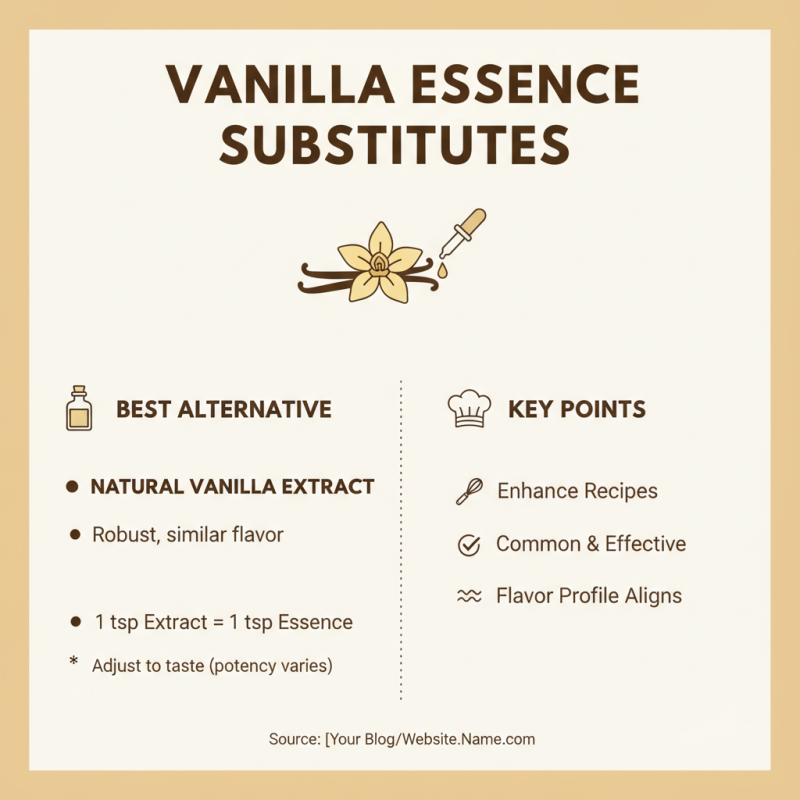
When vanilla essence is not available, several substitutes can effectively enhance your recipes. Natural vanilla extract is the most common alternative. It has a robust flavor profile that resembles essence vanilla. A teaspoon of vanilla extract can usually replace a teaspoon of essence vanilla. However, its potency varies by brand, so adjustments may be needed.
Another option is to use almond extract. This provides a different, yet pleasant, nutty flavor. Generally, use half the amount, as it has a stronger taste. Research shows almond extract contains fewer calories than vanilla and can be a unique twist in desserts. If you prefer a non-alcoholic substitute, vanilla bean paste is a great choice. With its rich texture and concentrated flavor, it offers a similar experience to essence vanilla.
In some cases, even simple ingredients work well as substitutes. Maple syrup or honey can bring sweetness along with flavor. These options bring their own aroma to dishes. Experimenting with these substitutes may lead to pleasant surprises in your baking. Still, substitute aromas may not always match perfectly. There’s room for adjustment and personal taste, making each dish a unique creation.
 Blog
Blog