10 Essential Tips for Understanding Natural Flavors Ingredients?
Understanding "natural flavors ingredients" can be complex. Renowned food scientist Dr. Emily Carter once stated, "Natural flavors are the hidden gems of food." Her insight underscores the essential role these ingredients play in enhancing culinary experiences.
Many assume that natural flavors are simply derived from plants or animals. However, the truth is more nuanced. The term encompasses a vast range of compounds created through various processes. These flavors can influence taste and aroma dramatically.
Consumers often overlook the complexity behind natural flavors. Transparency in labeling is a vital aspect of the industry. As a result, brands must strive to educate their audiences about these diverse ingredients. A deeper understanding can foster informed choices and elevate the food experience.
Definition and Scope of Natural Flavors in Food Products
Natural flavors are complex components used in many food products. They can enhance taste without adding extra calories. The FDA defines natural flavors as derived from plant or animal sources. This includes fruits, vegetables, spices, and even animal products. However, the exact composition can vary widely, making it difficult to fully understand what is in our food.
According to a recent industry report, over 80% of processed foods contain natural flavors. This indicates their prevalence in global food production. Despite their popularity, little transparency exists about what these flavors are. Many consumers might assume that natural flavors are always healthier. This assumption can sometimes be misleading. Often, they can mask less desirable ingredients in food formulations.
A survey conducted in 2022 showed that 64% of consumers want more information about natural flavors. This need for clarity may drive change in the industry. Companies might have to disclose more about their flavoring processes. Awareness remains crucial. Understanding natural flavors is not just about accepting marketing terms. It involves questioning what these flavors are and how they affect our health.
Understanding Natural Flavors in Food Products
Common Sources of Natural Flavors and Their Extraction Methods
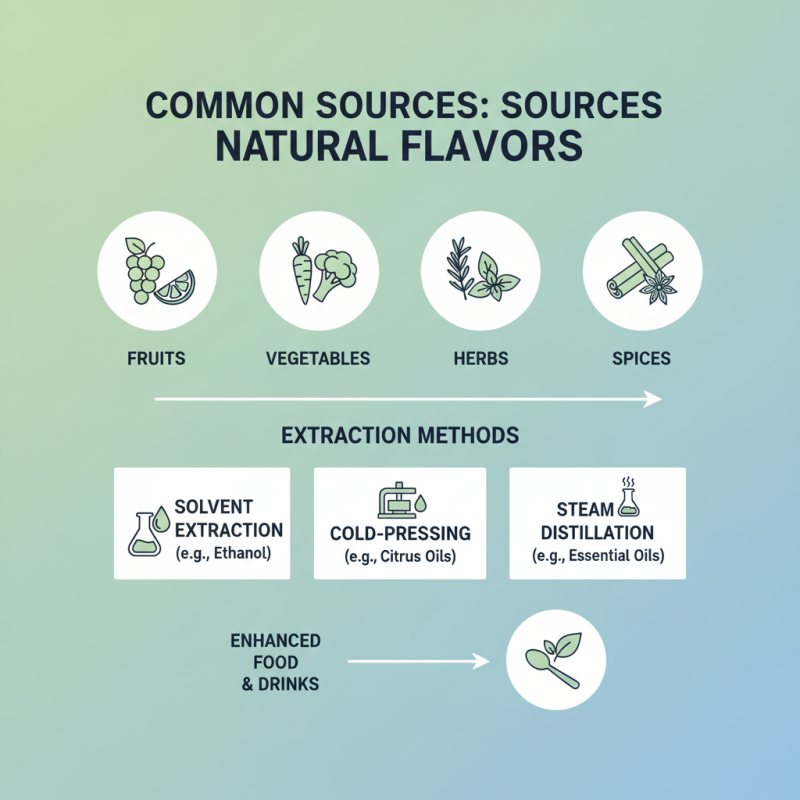
Natural flavors play a crucial role in enhancing food and beverage products. They are derived from various plant and animal sources. Common sources include fruits, vegetables, herbs, and spices. Each source offers unique profiles that contribute to the overall taste experience. For example, citrus fruits provide bright notes, while herbs can add earthy depths.
Extraction methods vary significantly. Cold pressing is popular for citrus oils, preserving vibrant flavors. Steam distillation is common for essential oils from herbs. This method uses heat to extract volatile compounds. There are also techniques like fermentation and solvent extraction, each impacting the final flavor profile. However, the challenge lies in ensuring consistency. Factors like soil quality and climate conditions alter flavor characteristics.
Understanding these basics can improve your ability to discern flavors. It’s vital to read ingredient labels carefully. Many consumers overlook complexities hidden in simple terms. By being more informed, we can appreciate the art and science behind natural flavors. There’s always more to learn in this intricate world of gastronomy.
Regulatory Standards Governing Natural Flavors Labeling
Natural flavors are subject to specific regulatory standards in many regions. In the U.S., the FDA defines natural flavors as substances derived from plant or animal sources. This includes essential oils, extracts, and similar compounds. The labeling requirements can be complex, often leading to confusion among consumers.
In a survey by the International Flavor and Fragrance Association, about 35% of consumers reported uncertainty regarding natural flavor labeling. This highlights a gap in understanding. Transparent communication is essential. For instance, precise descriptions on ingredient lists can help clarify what constitutes a natural flavor. Some reports suggest that consumers prefer straightforward labeling, which can enhance trust.
Despite regulations, enforcement varies. Some natural flavors may come from sources that are less recognizable to consumers. This inconsistency poses a challenge for informed choices. Environmental considerations are also relevant; a growing trend shows consumers value sustainability in food products. Companies may need to address this expectation to maintain credibility in the market. The dialogue around natural flavors continues to evolve, emphasizing the need for clarity and reliability.
Health Considerations and Allergens Related to Natural Flavors
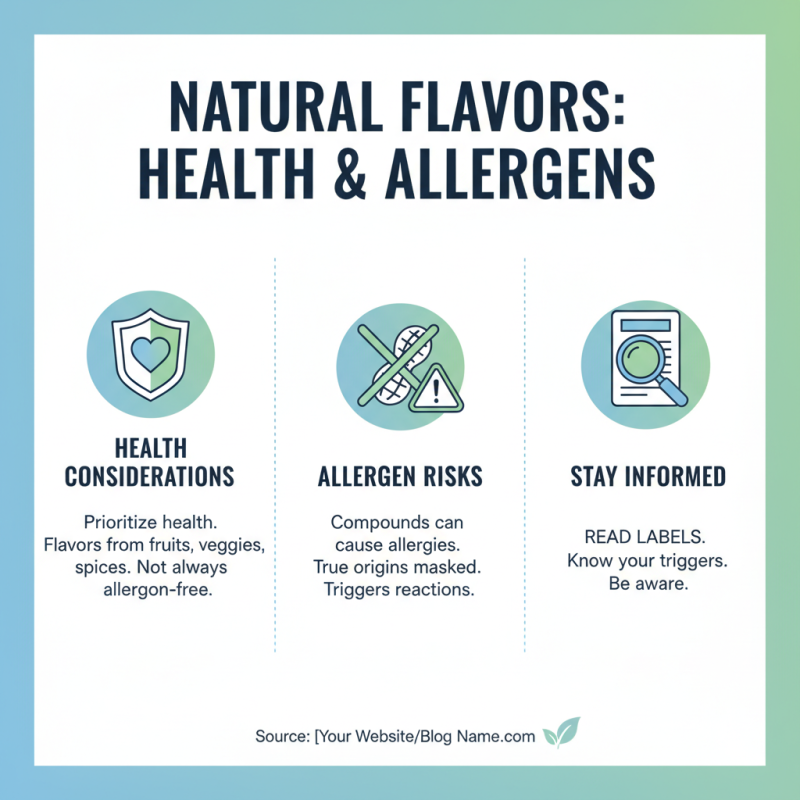
When it comes to natural flavors, health considerations should remain a top priority. Many individuals may not realize these flavors can come from various sources, including fruits, vegetables, and even spices. However, this does not eliminate the risk of allergens. Allergies can arise from compounds found in natural flavors, which sometimes mask their true origins. It's crucial to read labels and know which ingredients may trigger reactions.
Some people have specific sensitivities. For example, someone allergic to soy may react to natural flavors derived from soybeans. This becomes a challenge for consumers looking to avoid allergens. Food manufacturers aren't always transparent about the exact source of these flavors. The vague term "natural flavors" can lead to confusion and potential health risks.
Moreover, the perception of "natural" can create an illusion of safety. Many might overlook the possibility of contamination during processing. As consumers, it's essential to question and educate ourselves on what we consume. The reality is that not all natural flavors are safe for every individual. Keeping informed empowers us to make better choices for our dietary needs.
The Role of Natural Flavors in Enhancing Food Experience
Natural flavors play a crucial role in enhancing our food experience. According to a report by the Flavor Ingredients Association, nearly 90% of consumers prefer foods with familiar and appealing flavors. This preference drives manufacturers to incorporate natural flavors in their products. These flavors are derived from real foods, providing a connection that artificial flavors often lack.
The impact of natural flavors goes beyond taste. They can evoke nostalgia, stimulate appetite, and enhance overall satisfaction. A study published in the Journal of Sensory Studies indicated that meals enhanced with natural flavors are often rated 15% higher in enjoyment. This connection to our senses is significant; we remember flavors that resonate with our personal experiences. However, many consumers lack awareness of what natural flavors truly are.
Despite their benefits, the term "natural flavors" can be vague. Transparency is vital in food labeling. Some consumers may find it challenging to determine if they align with personal values around health and nutrition. It’s essential to reflect on how these ingredients impact not just flavor but also our understanding of food. As we continue to explore the nuances of our meals, questioning these elements shapes a more informed eating experience.
10 Essential Tips for Understanding Natural Flavors Ingredients
| Tip No. |
Tip |
Description |
| 1 |
Understand the Definition |
Natural flavors are compounds derived from natural sources, enhancing taste without synthetic additives. |
| 2 |
Check Regulations |
Familiarize yourself with regulations governing natural flavors in your region to ensure compliance. |
| 3 |
Research Sources |
Natural flavors can be derived from plants, fruits, and spices; knowing the source can help assess quality. |
| 4 |
Discover Flavor Profiles |
Explore different flavor profiles associated with natural flavors to enhance culinary creativity. |
| 5 |
Consider Allergens |
Keep in mind that some natural flavors may contain allergens; always check ingredient lists. |
| 6 |
Taste Testing |
Conduct taste tests to evaluate how well specific natural flavors perform in recipes. |
| 7 |
Understand Extraction Methods |
Learn about different extraction methods used to produce natural flavors, such as steam distillation. |
| 8 |
Label Reading |
Get accustomed to reading labels to identify when natural flavors are used in food products. |
| 9 |
Quality Indicators |
Look for indicators of high-quality natural flavors, such as specificity of source and method. |
| 10 |
Experiment and Innovate |
Use natural flavors creatively in your cooking to discover new and exciting taste combinations. |
 Blog
Blog