10 Essential Tips for Using Natural Flavor Extracts in Your Recipes
Natural flavor extracts have emerged as a game-changer in the culinary world. According to market research, the demand for natural flavorings is projected to grow by 5% annually. This reflects consumers’ increasing preference for clean-label products. People want flavors derived from nature rather than synthetic sources.
When you incorporate natural flavor extracts into your recipes, you're enhancing taste without adding artificial ingredients. A study indicates that chefs and home cooks alike appreciate the versatility these extracts offer. However, many struggle with finding the right balance. Using too much can overwhelm a dish, while too little may lead to a lackluster flavor profile.
It's essential to experiment thoughtfully with natural flavor extracts. Each extract has its unique potency and character, making it vital to adjust quantities carefully. Understanding how these extracts interact with other ingredients can elevate your culinary creations. But beware; perfection is subjective. Reflecting on past experiences with extracts can reveal valuable lessons for future recipes.
Understanding Natural Flavor Extracts: A Brief Overview
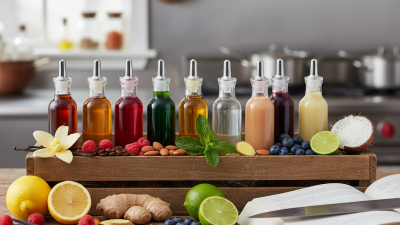
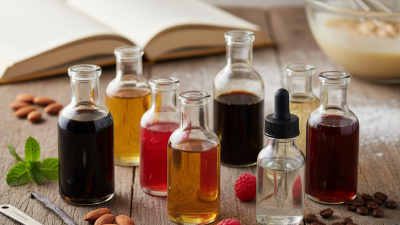
Natural flavor extracts are concentrated essentials derived from plants. They capture the essence of fruits, nuts, and spices. These extracts bring vibrant flavors to dishes, from baking to savory cooking. They can transform a plain recipe into something extraordinary. However, understanding how to use them effectively is crucial.
When using natural flavor extracts, it's essential to consider the right balance. Too much can overpower a dish. A few drops often suffice. Experimentation is key; what works for one recipe might not suit another. It's easy to become too reliant on these extracts and lose the freshness of whole ingredients. Fresh herbs or zest can offer depth that extracts can't fully replicate.
Choosing high-quality extracts matters. Some may contain additives that dilute their intensity. Reading labels is vital to ensure you're getting pure flavors. Reflection on your cooking process is beneficial. Are you depending solely on extracts? Are you missing out on the living essence of your ingredients? Embrace both extracts and whole foods for a balanced flavor experience.
Choosing the Right Natural Flavor Extract for Your Recipe
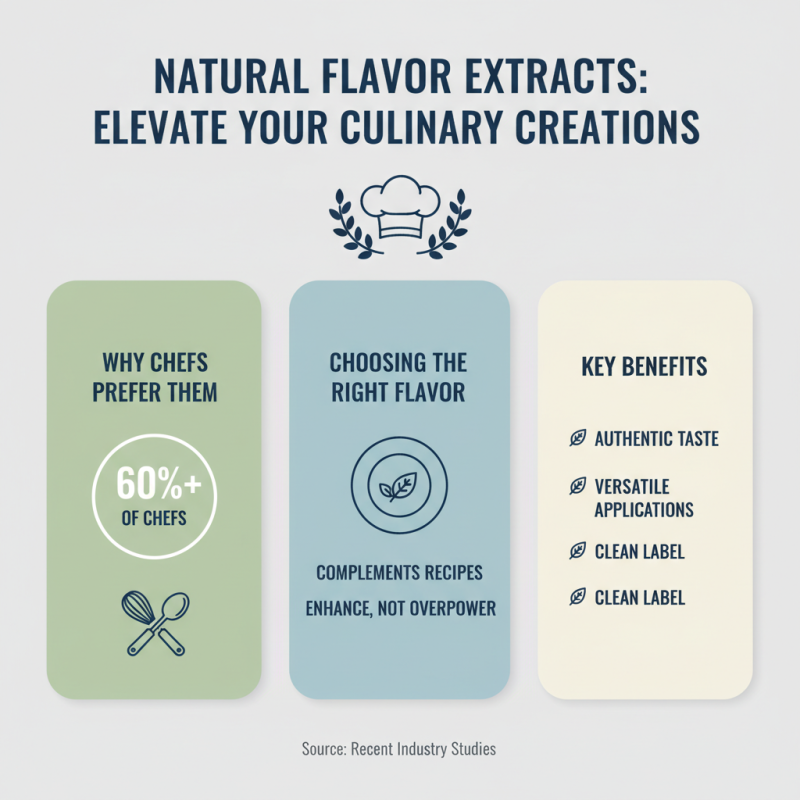
When using natural flavor extracts, selecting the right flavor can elevate your dish. According to recent industry studies, over 60% of chefs prefer natural extracts due to their quality and versatility. The right flavor choice complements your recipe beautifully. Opt for extracts that enhance, not overpower, your ingredients.
Tip: When unsure, start with a small amount. You can always add more if needed. For instance, a few drops of vanilla can transform a simple cake. However, using too much can make it taste artificial and overpowering.
Consider the intended flavor profile. Citrus extracts work well in light pastries and seafood dishes, while richer flavors like almond are perfect for hearty desserts. Remember that sometimes, less is more. A subtle hint of flavor can create balance. It's important to experiment, but be mindful of the overall taste. Avoid blending too many flavors, as this can lead to confusion on the palate. Finding harmony is key.
Proper Measurement Techniques for Flavor Extracts in Cooking
When using natural flavor extracts, accurate measurement is essential. A single drop can significantly change the taste of your dish. Many chefs recommend starting with less—often just one-eighth teaspoon. You can always add more if needed. The intensity of flavor varies between extracts, so consider testing as you go.
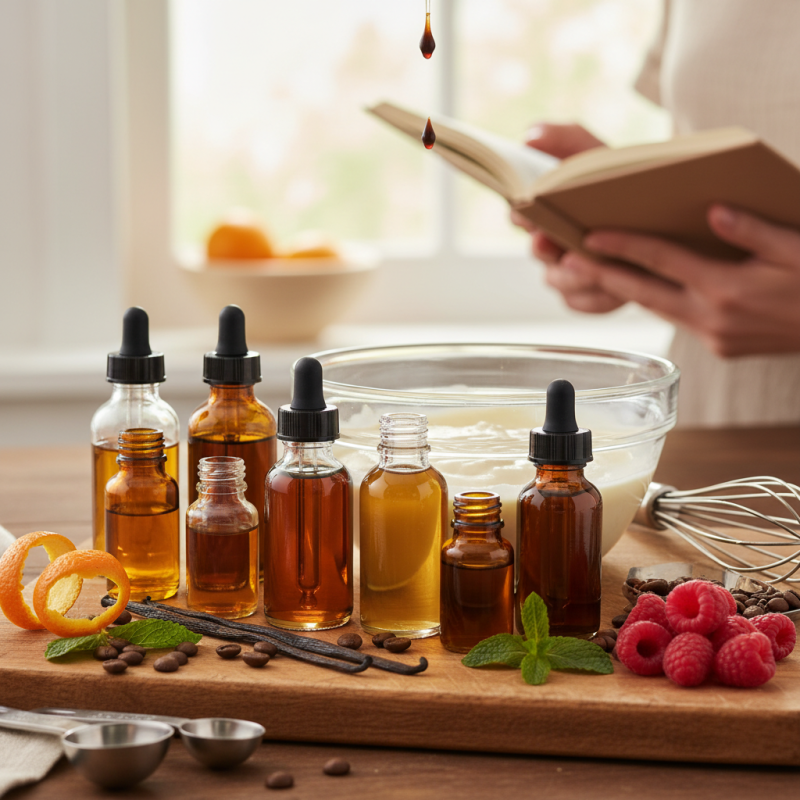
Using a pipette or dropper helps with precise measurements. This tool allows control over how much flavor you add. Swirling, rather than pouring from the bottle, can prevent overdoing it. You might think you know how much is enough, but it’s easy to go overboard. Have you ever tasted an overly sweet dessert? That might be a result of using too much extract.
Don’t forget to consider the recipe. Some dishes, like dressings, require more flavor than others. Experiment with ratios, but keep a journal of what you try. Reflecting on your previous efforts helps guide you. If the extract’s taste overpowers, next time, use less. Cooking is both an art and a science; finding the right balance is key.
10 Essential Tips for Using Natural Flavor Extracts in Your Recipes
| Tip Number |
Tip |
Measurement Technique |
Recommended Usage |
| 1 |
Start with Small Quantities |
1/8 teaspoon for stronger flavors |
Use in baked goods, desserts |
| 2 |
Layer Flavors |
Combine extracts (e.g., vanilla + almond) |
Enhance complexity of flavors |
| 3 |
Use Extracts Early in Cooking |
Add to wet ingredients |
Maximize flavor infusion |
| 4 |
Consider Recipe Type |
Match extract to recipe base |
Enhance theme (e.g., lemon in cakes) |
| 5 |
Adjust for Extract Strength |
1:2 ratio for imitation extracts |
Ensure balanced flavor |
| 6 |
Don’t Use Too Many Flavors |
Limit to 2-3 extracts |
Preserve clarity of taste |
| 7 |
Pay Attention to Cooking Time |
Add extracts late in cooking |
Retain volatile flavor notes |
| 8 |
Store Extracts Properly |
Cool, dark place |
Extend shelf life |
| 9 |
Taste as You Go |
Adjust flavors gradually |
Achieve desired profile |
| 10 |
Know Your Flavor Profiles |
Research extract characteristics |
Match with ingredients |
Tips for Balancing Flavors: Using Extracts Effectively
When using natural flavor extracts, balance is key. It can be easy to overdo it. For instance, a drop too many can overwhelm your dish. Start with just a hint, then adjust. Taste as you go to find that perfect blend. Extracts are potent; they can transform your dish.
Consider the harmony of flavors. Vanilla works well with chocolate, while citrus enhances fruit desserts. Experimenting is essential but be mindful. Some combinations might not work. For example, mint and chocolate are classic, but mint with savory can clash. Keep your palate in check and ask others for their thoughts.
Remember that every cook has their unique style. Sometimes, you might not achieve the desired taste. Reflect on what went wrong. Maybe you used too much extract or a less complementary flavor. Learn from these moments. Each mistake is a step toward mastering the art of balancing flavors with extracts.
Using Natural Flavor Extracts: Balancing Flavors in Recipes
Storing and Preserving Natural Flavor Extracts for Longevity
When it comes to natural flavor extracts, proper storage is key to maintaining their freshness. Keep extracts in a cool, dark place. Light and heat can degrade their quality. A pantry or a drawer can work well. Always ensure the bottles are tightly sealed. Uncapped extracts can lose their flavor over time.
To extend the shelf life of these extracts, consider transferring them to darker glass containers. This simple step can help protect them from light exposure. Check for any sudden changes in color or smell before using. If you note any off-putting scents, it might be time to toss them. Many people overlook this, and they risk ruining their recipes.
Additionally, be mindful of storage duration. Most extracts last up to three years if stored correctly. However, certain flavors may not hold up as long. Regularly reviewing your collection helps ensure you're using fresh extracts. Experimenting with new flavors is enjoyable, but not at the risk of compromised taste. Take time to reflect on your extract inventory.
 Blog
Blog