Why Food Flavoring Is Essential for Enhancing Culinary Creations
Food flavoring plays a pivotal role in the culinary arts, transforming ordinary dishes into extraordinary culinary experiences. According to a report by market research firm Mordor Intelligence, the global food flavoring market is projected to reach approximately $20 billion by 2025, driven by rising consumer demand for enhanced flavors and diverse gastronomic experiences. As consumers become more adventurous in their palates, the importance of food flavoring in developing unique taste profiles cannot be overstated.
Renowned food scientist Dr. Elaine Johnson emphasizes this sentiment, stating, "Food flavoring is not just an additive; it's an essential component that defines the identity of a dish." With an increasing number of food brands leveraging innovative flavoring techniques, culinary professionals are now tasked with not only creating delicious meals but also effectively utilizing food flavoring to elevate their creations. In this context, understanding the different types of flavorings available, from natural extracts to synthetic compounds, has become crucial for chefs looking to stand out in a competitive market.
As we delve deeper into the world of food flavoring, it becomes evident that its significance stretches far beyond mere taste enhancement. It encompasses the fusion of science and artistry, ultimately shaping food trends that resonate with evolving consumer preferences and dietary habits. In this exploration, we will uncover how food flavoring serves as a cornerstone for enhancing culinary creations, thereby influencing the future of gastronomy.
The Role of Flavoring in Transforming Everyday Dishes
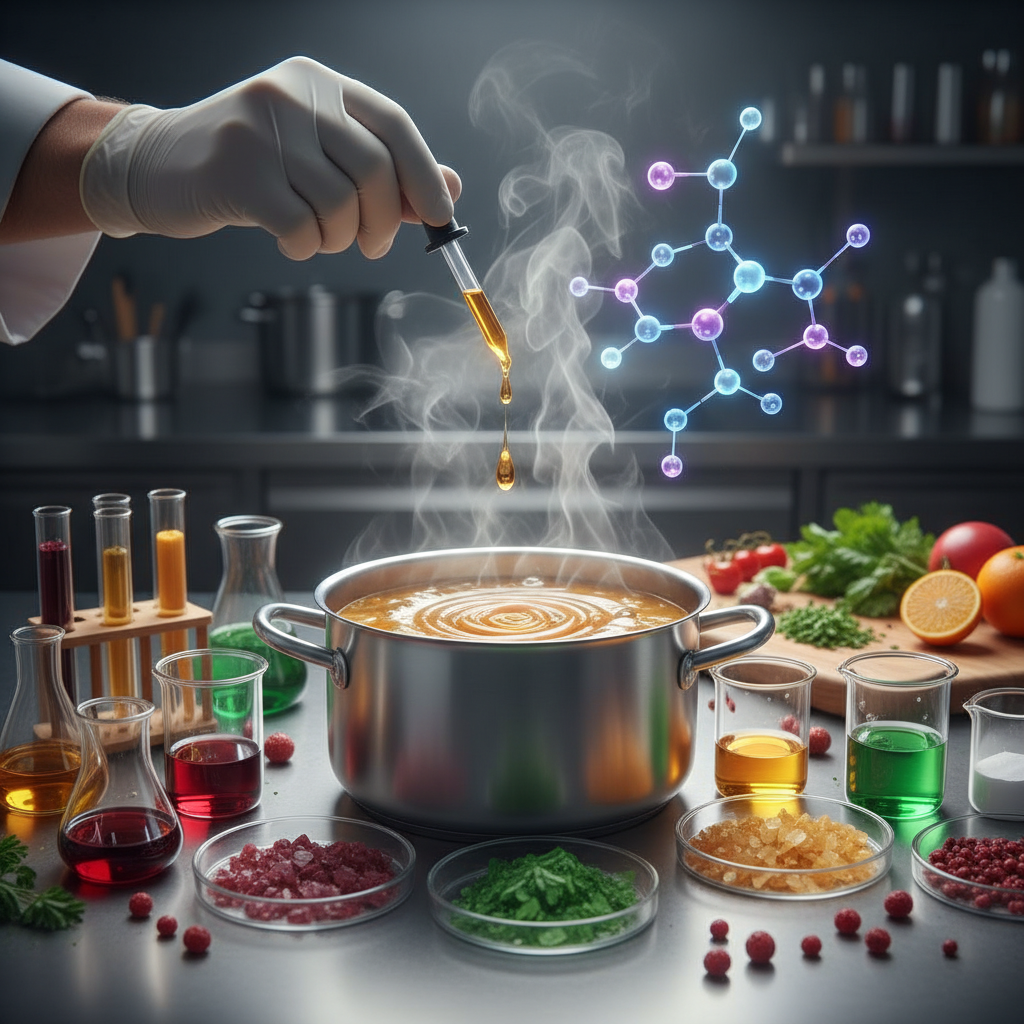
Flavoring plays a pivotal role in transforming everyday dishes into memorable culinary experiences. The art of flavoring encompasses a wide array of ingredients, from herbs and spices to sauces and marinades, each contributing unique characteristics that can elevate a simple meal. For instance, a dash of cumin can add warmth and earthiness to a vegetable stew, while fresh basil can bring a burst of freshness to a tomato sauce. These flavor enhancers not only deepen the taste but also engage the senses, making each bite pleasurable and inviting.
Moreover, the thoughtful use of flavoring allows home cooks and chefs alike to experiment with textures and aromas, creating dishes that resonate with personal style and creativity. Through layering flavors, one can achieve complexity that dances on the palate, transforming a basic recipe into a standout dish. Additionally, flavoring can evoke memories and cultural significance, as traditional spices and seasonings often reflect regional histories and personal stories. By embracing the power of flavoring, cooks can take their culinary creations from mundane to extraordinary, delighting diners with every meal.
Exploring Different Types of Food Flavoring and Their Uses
In the culinary world, food flavoring plays a pivotal role in elevating dishes from mundane to extraordinary. Various types of flavoring agents, such as onion powder and liquid smoke, serve to enhance the sensory appeal of food. The global onion powder market is projected to reach $10.3 billion by 2025 and $13.52 billion by 2035, reflecting a compound annual growth rate (CAGR) of 2.8%. This underscores the increasing demand for onion powder as a versatile flavoring agent in a wide range of culinary applications.
Similarly, the liquid smoke market is expected to see substantial growth, with a value of $10.304 million predicted for 2025, expanding to $14.879 million by 2033, marking a CAGR of 4.7%. As chefs and food enthusiasts seek innovative ways to incorporate smoky flavors into dishes, the increased use of liquid smoke highlights the industry's trend towards unique flavor enhancements. Additionally, the significant rise in the N-propanol market, projected to grow from $1.6849 billion in 2024 to $2.3741 billion by 2032 (CAGR of 4.3%), further illustrates the evolving landscape of food flavoring and its crucial role in modern culinary practices.
Culinary Techniques for Enhancing Flavors in Your Cooking
Enhancing flavors in cooking is an art that involves a variety of culinary techniques aimed at elevating the overall sensory experience of a dish. One fundamental method is the use of seasoning. Salt, in particular, is not just a flavor enhancer; it can uplift the natural tastes of ingredients, bringing out sweetness in vegetables and the richness in meats. Experimenting with different types of salts, such as sea salt or Himalayan pink salt, can also add unique nuances to your creations.
In addition to seasoning, incorporating fresh herbs and spices is essential for adding depth and complexity to dishes. Herbs like basil, cilantro, and thyme can brighten a dish, while spices such as cumin or smoked paprika can introduce warmth and earthiness. Another effective technique is the process of layering flavors—starting with aromatics such as onion, garlic, and ginger, and building upon them with additional ingredients as the dish cooks. This method allows for a harmonious blend of flavors that can significantly transform a simple meal into a culinary masterpiece.
Flavor Profiles in Culinary Creations
The Science Behind Flavor Pairing and Taste Enhancement
The science behind flavor pairing and
is a fascinating area of culinary research. Studies indicate that certain flavor combinations can elevate dishes beyond the sum of their parts. According to a report by the Culinary Institute of America, understanding the chemical compounds present in various foods allows chefs to create harmonious pairings that enhance the overall dining experience. For example, the umami flavor in tomatoes can be beautifully complemented by the sweetness of basil, creating a depth of flavor that is both complex and satisfying.
Additionally, the concept of "flavor bridges"—the idea that combining ingredients which share similar volatile compounds can lead to a more cohesive flavor profile—plays a crucial role in modern gastronomy. Research published in the Journal of Food Science highlights that foods from different categories can be paired effectively based on their shared flavor compounds. This scientific approach not only enhances the taste but also aligns with consumers' increasing demand for innovative and exciting culinary experiences. With over 60% of chefs stating that flavor innovation is critical to their success, understanding the science behind flavor pairing is becoming integral to culinary practices.
Cultural Influences on Food Flavoring: A Global Perspective
Food flavoring reflects the rich tapestry of cultural influences that shape our culinary landscape. In recent years, there has been a notable shift towards global flavor trends in food products found in supermarkets and restaurants alike. As North America's seasonings and spices market evolves, valued at approximately $6.15 billion, a surge in bold tastes and cultural diversity is leading to a revolution in flavor innovation. This shift is resonating with consumers who are increasingly seeking authentic experiences through the foods they purchase, highlighting an unprecedented availability of global culinary options.
Cities renowned for their culinary diversity, such as those listed among the best food cities in the world, showcase how local culture and climate intricately shape flavor profiles. Recent accolades celebrating Indian cuisine indicate a growing recognition of how cultural heritage contributes to gastronomic excellence. This trend is echoed in regions like Orlando, where a flourishing food scene demonstrates a vibrant blend of cultures, underscoring the importance of cultural influences in enhancing culinary creations through diverse flavor offerings. As we embrace these global flavors, we see not only innovation in food products but also a significant transformation in consumer shopping patterns and dining experiences.
Why Food Flavoring Is Essential for Enhancing Culinary Creations - Cultural Influences on Food Flavoring: A Global Perspective
| Region |
Common Flavoring Agents |
Culinary Techniques |
Cultural Significance |
| Asia |
Soy sauce, ginger, garlic |
Stir-frying, steaming |
Symbol of harmony and balance |
| Europe |
Herbs (basil, thyme), wine, cheese |
Baking, roasting |
Tradition and regional identity |
| Africa |
Chili, coriander, cumin |
Grilling, stewing |
Community and celebration |
| North America |
Maple syrup, BBQ spices, hot sauce |
Grilling, frying |
Individualism and diversity |
| South America |
Cilantro, chili pepper, lime |
Grilling, marinating |
Festival and family bonding |
 Blog
Blog