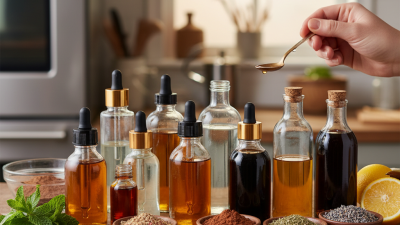
Food flavoring can decide whether a product feels familiar, distinctive, or simply out of balance. For global buyers, choosing a flavor is only part of the work. Application, ingredient compatibility, labeling requirements, and supply consistency all matter. A mango note that shines in a chilled drink may disappear in a baked filling. Small trials reveal that quickly.
Food science writer Harold McGee has explained that flavor is not taste alone; aroma and other sensory cues shape how we experience food. This guide applies that principle to practical sourcing decisions. It covers how to brief suppliers, compare flavor formats, request samples, test performance in the finished product, and check documentation. Ask for clear specifications, recommended use levels, allergen information, and storage guidance. Then test samples under realistic conditions: the actual recipe, process, packaging, and shelf-life window. The bench sample is not the whole story.
Good buying also means asking better questions. Is the flavor stable after heating? Does it work with the product’s fat, acidity, or sweetness? Can the supplier maintain the same profile across repeat orders? Sensory panels and written records help turn impressions into useful comparisons. Keep notes. They matter later.
There is no universal best flavor. Preferences differ across markets, and “authentic” can mean different things to different consumers. Buyers should verify current requirements for each destination with qualified regulatory professionals. A supplier’s assurance alone may not be enough. These ten tips offer a grounded starting point, not a substitute for testing. Some choices will still need a second look.
A useful flavor brief starts with the food, not a flavor name. Describe the target taste in plain terms: toasted sesame, gentle citrus peel, or a clean vanilla finish. Note intensity, sweetness, salt level, and aftertaste. Then identify the exact category and format, such as a chilled oat drink, baked cracker, or fruit filling. The same flavor can behave differently in fat, water, heat, and acidity.
Specify dosage as a trial range, not a single assumed “right” number. State the unit, such as grams per kilogram of finished product, and clarify whether the flavor is liquid or powder. Ask suppliers to test low, middle, and high levels in the actual recipe. A bench sample may taste balanced, while a baked product loses its top notes. Small details matter. Record the mixing order and tasting temperature, too.
The International Food Information Council’s 2024 Food & Health Survey gathered responses from 3,000 U.S. adults and identified taste among key food-choice considerations. That is a reminder to judge flavor in context, not from a supplier’s description alone. Use a simple scorecard for aroma, first taste, lingering notes, and fit with the category. One limitation: a scorecard can make a subjective choice look more precise than it is. Keep written comments beside the numbers, and revise the brief when panelists disagree.
Global flavor sourcing needs more than a quick scan for “contains.” The U.S. recognizes nine major food allergens, including sesame, added under the FASTER Act in 2023. The European Union lists 14 categories, adding celery, mustard, lupin, molluscs, sulphites, and gluten-containing cereals. The FDA notes that the nine U.S. allergens account for about 90% of food allergic reactions. FARE estimates that 33 million Americans have food allergies. These figures make label checks a practical safety step, not paperwork.
Compare the actual ingredient lists, not just allergen summaries. A seasoning blend may contain mustard or celery, while a U.S. label may not flag either as a major allergen. “Wheat” also does not cover every EU-listed cereal containing gluten. Check supplier specifications, flavor carriers, and processing aids, then confirm what must be declared in the destination market. Keep dated records. Small label changes matter.
Cross-contact deserves attention, too. Ask suppliers how they separate shared lines and verify cleaning records where relevant. A spreadsheet can miss a reformulated carrier; we have to admit that. Recheck documents before each shipment, especially after a recipe or facility change. Sources: FDA allergen guidance, EU Regulation 1169/2011 Annex II, and FARE food-allergy statistics.
For global buyers, Codex CAC/GL 66-2008 is a useful starting point for reviewing food flavorings, not a substitute for local law. It sets principles for safe use and risk assessment, while national authorities may set different permissions, limits, and labeling rules. WHO reports that the Joint FAO/WHO Expert Committee on Food Additives (JECFA) has evaluated more than 2,600 food additives, including flavoring agents. That figure is not a list of universally approved flavorings. Check the exact substance, food category, and intended use in each destination market.
Tips: Ask suppliers for the flavoring’s precise identity, specification, intended use level, and supporting safety documentation. Compare these details against Codex guidance and the destination country’s current official rules. Confirm whether local rules require specific declarations on the label. Keep dated copies of regulatory checks; rules and online lists can change. Small details matter.
For a practical review, match the specification to the product formula and the market’s permitted-use conditions. A flavoring acceptable in one country may need different documentation—or may not be permitted for that use elsewhere. Confirm names, synonyms, and purity specifications with qualified regulatory staff. A spreadsheet helps, but it can miss an outdated entry. Recheck before shipment, especially when the formula or destination changes.
For global buyers, a flavor sample can taste familiar yet behave differently in another product base. Use ISO 4120:2021’s triangle test to check whether tasters can detect a difference. Serve three coded portions: two are identical, and one differs. Ask each person to identify the odd sample, not the one they prefer. Keep it blind.
The design has a useful benchmark: random guessing gives a 1-in-3 chance, or 33.3%, of a correct answer. ISO 4120:2021 explains how to run the test and assess responses against panel size and significance criteria. Serve samples at the same temperature, in identical cups, with randomized order. Water and plain crackers help clear the palate. Small details matter.
A significant result suggests a perceptible difference, not that one flavor is better. That distinction is easy to overlook when buyers are under time pressure. Repeat the test with fresh codes if handling or fatigue may have affected responses. Record the sample lot, preparation, serving temperature, and individual answers. A rushed tasting can still mislead us. Even trained tasters may disagree, so treat one session as evidence, not a verdict. Source: ISO 4120:2021, Sensory analysis—Methodology—Triangle test.
| # | Buyer Tip | Triangle-Test Application | What to Record |
|---|---|---|---|
| 1 | Define the comparison question | Use the test to determine whether assessors can perceive a difference between two flavor samples. A triangle test measures discrimination, not which sample is preferred. | The product versions compared and the specific change being evaluated, such as a flavor adjustment or ingredient substitution. |
| 2 | Prepare three samples | For each assessment, present three samples: two from one product and one from the other. The assessor’s task is to identify the odd sample. | The sample identities and the intended two-alike/one-different arrangement for each serving set. |
| 3 | Use blind, neutral codes | Label samples with unrelated codes so the assessor cannot infer their identity from the label. Keep the code key separate from the assessor. | The code key, prepared by the test organizer, and confirmation that labels reveal no sample identity. |
| 4 | Vary serving order | Balance or randomize the possible orders of the odd sample to reduce order-related bias. Do not use the same obvious position for the different sample throughout the test. | The serving order for each assessor and the distribution of odd-sample positions across the test. |
| 5 | Keep sample conditions consistent | Serve comparable portions under the same preparation, temperature, container, and timing conditions. These factors can influence flavor perception. | Preparation method, portion size, serving temperature, and any deviations from the planned procedure. |
| 6 | Control surrounding influences | Use a quiet, well-lit setting with minimal distracting odors. Ask assessors to avoid discussion during the evaluation so responses remain independent. | Test location, relevant environmental conditions, and any interruptions or communication between assessors. |
| 7 | Give clear, neutral instructions | Tell assessors to taste the samples in the presented order and select the one that differs. Avoid suggesting what the difference might be or which sample is expected to stand out. | The instructions provided and each assessor’s selected code, including a response option for “unsure” if the protocol allows it. |
| 8 | Allow palate rinsing | Provide water between samples or test sets and allow a consistent pause when needed. This helps limit carryover, especially with persistent flavors. | Rinsing materials, rest intervals, and any special handling needed for lingering or intense flavor profiles. |
| 9 | Choose assessors and sample size carefully | Select assessors suited to the test objective and determine the number of assessments before testing. The number of correct identifications needed for a significant result depends on the test plan and statistical criteria. | Number of assessors, inclusion criteria, planned significance level, and the applicable ISO 4120 analysis procedure. |
| 10 | Interpret results within scope | Compare the number of correct responses with the relevant statistical criterion in the applicable edition of ISO 4120. A significant result indicates detectable discrimination under the test conditions; it does not establish preference or explain the cause. | Correct responses, statistical conclusion, test conditions, and any follow-up preference or descriptive testing needed. |
Note: ISO 4120 describes a method for determining whether a perceptible sensory difference exists between samples. Consult the applicable edition of the standard for detailed procedures and statistical tables.
A supplier specification should tell you more than a flavor name and a delivery date. Check the ingredient profile, recommended storage conditions, packaging format, and stated shelf life. Ask how the shelf-life period was established and whether it applies to unopened containers only. A printed date is useful, but it does not explain how heat or repeated opening may affect the product.
Batch records help connect each shipment to its production history. Request lot identification, production and packing dates, and documented quality checks. Compare these records with the label and purchase documents before accepting a delivery. Keep a retained sample from each lot when practical. Small differences can be hard to spot in a drum, yet become obvious in a finished sauce or beverage. Check carefully.
Consistency needs a clear method, not just a supplier’s assurance. Agree on practical comparison points, such as aroma, color, texture, and performance at the intended use level. Test incoming lots under the same conditions, and record results alongside lot numbers. If a sample seems slightly different, pause and ask questions before blending it into production. That takes time. It may also prevent a much larger adjustment later. Specifications are not perfect; review them when your recipe, process, or storage conditions change.
(Your form has been submitted.)
We'll be in touch soon! Until then, take a look around — you never know what you'll find!