How to Source Natural Vanilla Flavor Globally?

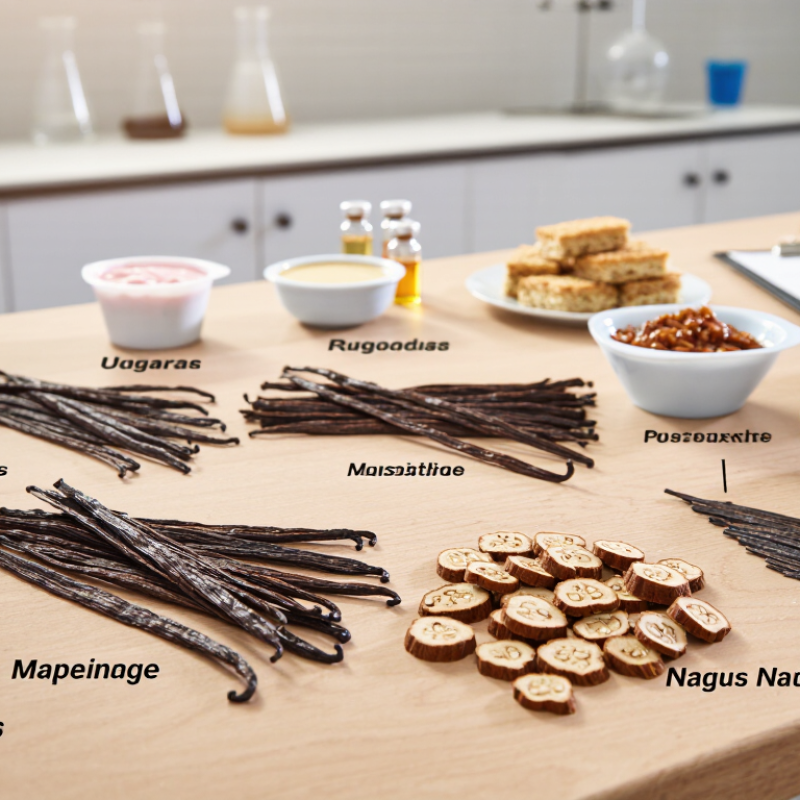
Sourcing natural vanilla flavor globally is not simply a search for the lowest price. It is a careful evaluation of origin, processing, consistency, and supplier reliability. Vanilla pods may come from Madagascar, Uganda, Indonesia, Papua New Guinea, or Mexico. Each origin creates different aromatic notes, including creamy, woody, smoky, or floral impressions.

Flavor scientist Gary Reineccius has emphasized, “Flavor is more than chemistry; it is also perception.” This principle matters when comparing natural vanilla flavor samples. A clear liquid may perform differently from a darker extract in yogurt, bakery fillings, beverages, or confectionery. Laboratory data helps, but trained sensory evaluation remains essential. Small differences matter.

The sourcing process should begin with documented traceability. Ask where the vanilla was grown, processed, and stored. Review extraction methods, allergen statements, certificates, and batch specifications. Confirm whether the flavor meets the destination market’s legal definition of “natural.” Regulations can differ between countries, and labels should never rely on assumptions.

Supplier audits reveal practical details. Is the warehouse clean? Are drums sealed? Can the supplier explain seasonal variation? These questions expose weak points early. Yet no sourcing plan is perfect. Crop failures, transport delays, and changing vanilla prices can disrupt even experienced buyers. That uncertainty deserves honest planning.

A strong global strategy combines verified documentation, sensory testing, technical expertise, and open communication. It also leaves room for reconsideration. The best supplier today may not remain the best tomorrow.

How to Source Natural Vanilla Flavor Globally?

Defining Natural Vanilla Flavor and Its Global Market Forms

How to Source Natural Vanilla Flavor Globally?

Defining Natural Vanilla Flavor and Its Global Market Forms

Natural vanilla flavor is a flavoring made from vanilla beans or approved natural vanilla-derived materials. Its aroma usually includes sweet, creamy, woody, and slightly smoky notes. The term can vary by market, so buyers should check local labeling definitions carefully. A vanilla-like flavor from another natural source may not qualify as vanilla flavor everywhere.

Global suppliers commonly offer liquid extracts, emulsions, pastes, powders, and concentrated extracts. Liquid extracts suit beverages, dairy products, and bakery fillings. Emulsions perform better in cloudy drinks and high-water recipes. Pastes show visible vanilla particles and add a richer sensory impression. Powders are easier to transport and handle in dry mixes, but their aroma can feel less rounded. Concentrated extracts reduce freight volume, although dosing becomes more sensitive.

Practical sourcing starts with a clear product specification. Request the vanilla source, extraction method, solvent details, allergen statement, country of origin, shelf life, and batch documents. Ask for samples in the final application, not only in water. Heat, acidity, sugar, and fat can change the flavor sharply. A sample may smell excellent in the laboratory but weaken after baking. This happens more often than expected.

Cost also deserves careful review. A lower price may reflect weaker concentration, shorter shelf life, or limited documentation. I have learned that aroma alone is not enough. Color, sediment, microbial controls, and supply consistency matter too. Global logistics can add another uncertainty, especially when harvest conditions change. Good sourcing leaves room for verification, adjustment, and honest reconsideration.

Mapping Major Vanilla-Producing Regions and Supply Sources

Natural vanilla sourcing begins with geography, but origin alone does not guarantee quality. Madagascar remains the largest commercial source, especially the Sava region in the northeast. Its cured beans often show deep, sweet aromas and flexible flavor profiles. Harvest timing, moisture control, and curing skill create major differences between nearby farms. I have seen samples from one district vary widely. That variation deserves attention.

Uganda supplies fragrant vanilla from areas around Lake Victoria and western growing zones. Beans may show creamy, cocoa-like, or dried-fruit notes, depending on curing and storage.

Indonesia offers another important source, with production concentrated in Java, Bali, and Sulawesi. Its profiles can lean woody, smoky, or floral. Papua New Guinea and India add smaller but useful supply channels.

Their volumes can be less predictable, so buyers should confirm seasonal availability before planning. A reliable global sourcing map should track farms, curing facilities, exporters, and transport routes. Ask for harvest year, bean grade, moisture range, origin records, and microbial testing. Traceability documents should connect the finished natural vanilla flavor to its botanical source. Local weather, labor conditions, and port delays can change a shipment quickly. Do not treat a laboratory sheet as the whole story. Sensory evaluation still matters, though it can be subjective. Pilot batches help compare regions under the same extraction or flavoring process. I would keep two qualified origins available when consistency matters more than a single-origin story.

Evaluating Suppliers, Certifications, Quality, and Traceability

How to Source Natural Vanilla Flavor Globally?

A reliable sourcing process begins with the supplier, not the price. Ask where the vanilla material was grown, processed, and blended. Request the legal definition of “natural flavor” for each target market. Requirements can differ between countries. A supplier should provide current certifications, such as HACCP, ISO 22000, or an applicable organic certificate. Verify the certificate number with the issuing body. Paperwork is not proof.

Quality checks should cover more than aroma. Request a detailed specification, certificate of analysis, microbiological results, allergen statements, and residual solvent data when relevant. Compare samples in the actual product matrix, not only in water. Vanilla can taste warm in a test cup but disappear in chocolate, dairy, or baked goods. Check color, dosage, stability, and sensory consistency across several batches. Ask difficult questions.

Traceability must work backward and forward. Each batch should connect to raw material records, production dates, storage conditions, and shipment documents. Ideally, the supplier can identify the processing site within hours, not days. Independent audits can reveal weak controls that certificates miss. Yet audits are only snapshots. No checklist is perfect. Seasonal changes, crop shortages, and transport delays may affect consistency. Build a documented approval process, retain reference samples, and review supplier performance regularly. A transparent supplier will discuss limitations instead of promising identical flavor forever.

Comparing Extraction Methods, Specifications, and Flavor Profiles

Global vanilla sourcing begins with the extraction method, not the country name. Vanilla extract uses cured beans, water, and ethanol, producing rounded notes with visible origin character. CO2 extraction can deliver concentrated aroma with less solvent residue, but it often costs more. Oleoresin adds body and color, although its profile may feel heavier in beverages. FAOSTAT records roughly 7,000–8,000 metric tonnes of vanilla production annually in recent datasets, so harvest variation can quickly affect availability and price.

Specifications should be precise. Request vanillin content, moisture, alcohol percentage, color, microbiological limits, allergens, solvent details, and botanical origin. ISO 5565:1999 provides a useful framework for vanilla quality and sampling. Flavor descriptions need caution. Cured beans from Madagascar often show creamy, sweet notes. Tahitian material can lean floral and cherry-like. Mexican beans may suggest spice and cocoa. These are tendencies, not guarantees. Fermentation, curing time, storage, and extraction temperature can change the final cup.

Tips: Compare samples at the same dosage. Test them in the finished food, not only in water. Ask for harvest-year data and a certificate of analysis. A dramatic aroma in the bottle may disappear after baking. That is an easy mistake. Grand View Research identifies food and beverage applications as a major demand area, but market reports use different definitions. Treat forecasts as directional, and verify every specification with laboratory results and production trials.

How to Source Natural Vanilla Flavor Globally? – Comparing Extraction Methods, Specifications, and Flavor Profiles
Natural Flavor Format Main Extraction or Production Method Common Global Raw-Material Sources Typical Technical Specifications Typical Flavor Profile Appearance and Color Best Solubility or Carrier System Typical Applications and Sourcing Considerations
Vanilla Extract Vanilla beans are chopped or ground and extracted with a hydroalcoholic solvent, usually ethanol and water. The extract is commonly matured, filtered, and standardized. Madagascar Indonesia Uganda Mexico Papua New Guinea Often standardized by vanillin content. Commercial products may range from approximately 1-fold to 4-fold strength, depending on the specification and market. Ethanol content is commonly controlled according to the product format and local regulations. Balanced, rounded vanilla with sweet cream, caramel, raisin, and mild woody notes. Madagascar material is commonly associated with creamy and sweet notes, while Indonesian material may show stronger woody, smoky, or phenolic nuances. Amber to dark brown liquid; intensity depends on bean concentration, extraction conditions, and filtration. Water-alcohol systems; suitable for beverages, dairy products, bakery fillings, sauces, and confectionery. Versatile and widely recognized by customers. Important sourcing factors include bean origin, curing quality, vanillin level, alcohol declaration, allergen status, and batch-to-batch consistency.
Vanilla Oleoresin Vanilla beans are extracted with a food-grade solvent, followed by concentration to remove much of the solvent. The product contains aromatic compounds and non-volatile bean components. Madagascar Indonesia India Uganda Viscous or semi-viscous concentrate. Strength is normally defined by the supplier through vanillin content, bean-equivalent concentration, or sensory comparison rather than one universal global specification. Fuller and more bean-like than a simple vanilla extract, with creamy, balsamic, fruity, woody, and slightly spicy notes. It can retain more of the natural matrix of the bean. Dark brown, thick liquid or paste; may contain fine suspended solids. Oil, emulsions, syrups, fat-based systems, and products where a concentrated vanilla character is desired. Pre-dispersion may be needed in low-fat aqueous systems. Useful when a rich profile and high flavor intensity are required. Viscosity, sediment, filtration, and color should be checked for beverage and clear-product applications.
Vanilla CO₂ Extract Supercritical or subcritical carbon dioxide is used to selectively extract aromatic compounds from cured vanilla beans. Carbon dioxide is removed after extraction. Madagascar Indonesia Uganda Mexico Low residual-solvent profile when properly processed. Specifications commonly include vanillin content, residual moisture, density or viscosity, microbial limits, and sensory identity. Clean, concentrated, and bean-authentic; may emphasize creamy, sweet, cocoa-like, fruity, and woody notes. The profile can be less alcohol-like than conventional extracts. Amber, brown, or dark brown extract; viscosity varies with concentration and the degree of non-volatile material retained. Oil-based, encapsulated, emulsion, and selected aqueous systems. Formulation testing is required because dispersion depends on the carrier and concentration. Attractive for premium, clean-label, or low-alcohol concepts. Equipment and processing costs are generally higher, and sensory strength can vary significantly with extraction parameters.
Vanilla Tincture Whole or cut vanilla beans are steeped in ethanol, water, or another permitted carrier for an extended period, followed by filtration and optional standardization. Mexico Madagascar Indonesia Uganda Usually less concentrated and less standardized than an industrial extract. Specifications should define bean-to-liquid ratio, extraction time, carrier composition, vanillin range, color, and microbial limits. Soft, natural, and rounded with noticeable bean, sweet, fruity, and lightly woody notes. Batch variation can be more apparent than in a tightly standardized extract. Light amber to brown liquid, occasionally with slight natural haze. Alcohol-containing beverages, culinary products, sauces, and premium formulations where a handcrafted sensory impression is desired. Can support an artisanal positioning, but lead times are longer and consistency must be managed through validated steeping, filtration, and blending procedures.
Natural Vanilla Flavor, Water-Soluble Vanilla extract or oleoresin is blended with water-compatible carriers, emulsifiers, or encapsulation systems to improve dispersion in aqueous products. Global vanilla origins Multi-origin blends Typical specifications include vanillin level, density, pH compatibility, solubility or dispersibility, alcohol level, color, microbial limits, and stability during heat processing. Clean vanilla with cream, sugar, custard, and light caramel notes. The final profile depends strongly on the base extract, emulsifier, and processing conditions. Clear to slightly cloudy; color may range from pale yellow to brown depending on the extract and carrier. Water, syrups, soft drinks, plant-based beverages, dairy alternatives, desserts, and bakery mixes. Suitable for aqueous applications, but clouding, ring formation, flavor loss, and interaction with proteins or minerals should be tested during shelf-life studies.
Natural Vanilla Flavor, Oil-Soluble Vanilla extract, oleoresin, or CO₂ extract is incorporated into oil-compatible carriers such as vegetable oils or other permitted lipophilic systems. Madagascar Indonesia Uganda Mexico Specifications commonly include flavor strength, carrier identity, density, refractive index where applicable, oxidation stability, vanillin range, and heat or bake stability. Rich, creamy, and persistent vanilla with stronger fatty, caramel, cocoa, and cooked-sugar impressions in many high-temperature applications. Clear to slightly hazy oil; color may be pale yellow, amber, or brown. Chocolate, compound coatings, fat-based fillings, margarine, bakery fats, ice cream inclusions, and confectionery. Provides good compatibility with fat-rich foods. Oxidative stability, flavor migration, and color impact should be evaluated in the finished product.
Encapsulated Natural Vanilla Flavor Natural vanilla extract or other natural vanilla preparation is enclosed in a carrier matrix such as gum arabic, modified starch, maltodextrin, or another permitted wall material by spray drying or related technology. Single-origin Multi-origin blends Typical specifications include flavor loading, moisture, particle size, bulk density, dispersibility, carrier composition, thermal stability, and release performance. Fresh and recognizable vanilla after release; the perceived intensity depends on encapsulation efficiency, storage conditions, and the timing of flavor release. Free-flowing powder, usually cream to light brown; color varies with the vanilla preparation and wall material. Dry mixes, powdered beverages, cereals, bakery premixes, nutritional products, and applications requiring improved shelf stability. Helps protect volatile compounds from oxygen, heat, and moisture. Hygroscopicity, powder flow, release in the final matrix, and reconstitution performance require validation.
Natural Vanilla Flavor from Fermentation-Derived Vanillin Vanillin is produced through a biological conversion process using a permitted natural precursor and microorganisms or enzymes. The regulatory classification depends on the production route and jurisdiction. Global fermentation supply Natural vanilla blends Often supplied as a highly defined ingredient with high vanillin assay, controlled purity, moisture, residual precursor, microbiological limits, and sensory specifications. The exact regulatory designation must be confirmed for each market. Clean, sweet, creamy, and direct vanillin character. It may have less of the complex fruity, spicy, woody, and balsamic notes found in whole-bean extracts unless blended with natural vanilla extract. White to off-white crystalline solid or clear solution, depending on the formulation and carrier. Water, alcohol, propylene glycol alternatives where permitted, emulsions, and dry blends; compatibility depends on the final form. Can improve supply continuity and cost predictability when used alone or blended with bean-derived materials. Regulatory wording, precursor origin, and labeling requirements must be verified country by country.
Specification and regulatory note: “Natural,” “natural vanilla flavor,” “vanilla extract,” and “vanillin” are not interchangeable terms worldwide. Final labeling, permitted carriers, solvent limits, organic status, allergen declarations, and the use of fermentation-derived ingredients should be confirmed against the regulations of every target market. Commercial specifications may vary by supplier and must be validated through certificate-of-analysis review, sensory testing, application trials, and shelf-life studies.

Managing International Purchasing, Logistics, Compliance, and Risk

How to Source Natural Vanilla Flavor Globally?

International purchasing starts with a clear technical specification, not a low quoted price. Define the vanilla source, flavor profile, concentration, carrier, intended food application, and shelf life. The term “natural vanilla flavor” may have different regulatory meanings across markets. Confirm the classification with qualified local specialists before signing a contract. Request a current specification sheet, certificate of analysis, allergen statement, safety data, and batch traceability records. Keep samples sealed.

Supplier evaluation should include production controls, food safety systems, testing methods, and document accuracy. A remote audit can reveal gaps, but it cannot replace periodic on-site verification. Ask how the supplier manages crop variation and sensory differences between batches. Consistency is difficult. A sample may perform well in a laboratory beverage but change after baking or storage. Validate it in the final product and packaging conditions.

Logistics planning must cover approved packaging, temperature exposure, transit time, customs documents, insurance, and delivery terms. Some vanilla flavors contain carriers that affect labeling or import requirements. Confirm tariff codes and market-specific declarations with customs professionals. Build buffer stock before seasonal shipping delays occur. Track each lot from dispatch to receipt, and record seal condition on arrival. Do not guess. A single missing document can hold a shipment, while an overlooked specification change can create costly rework. Review the sourcing plan after every shipment, including failures, because risk controls often look stronger on paper than in practice.

How to Source Natural Vanilla Flavor Globally?

Estimated global vanilla bean supply by origin helps purchasing teams evaluate supplier concentration, logistics exposure, compliance requirements, and supply-chain risk.

Madagascar remains the dominant origin, creating concentration risk. Diversification across Indonesia, Papua New Guinea, Uganda, India, and other origins can improve resilience, but buyers should verify traceability, food-safety documentation, import requirements, and harvest-season availability before contracting.

Data: Rounded indicative shares based on commonly reported FAOSTAT and international vanilla-industry production estimates; annual shares vary by weather, crop yields, and market conditions.

Partners in
Sustainability

Learn More
National Forest Foundation
Upcycled Food