How to Identify Artificial Flavoring in Your Food?
Identifying artificial flavoring in food can be challenging. Many products claim to be natural, but that isn’t always true. Food manufacturers often use artificial flavoring to enhance taste and mask poor quality ingredients.
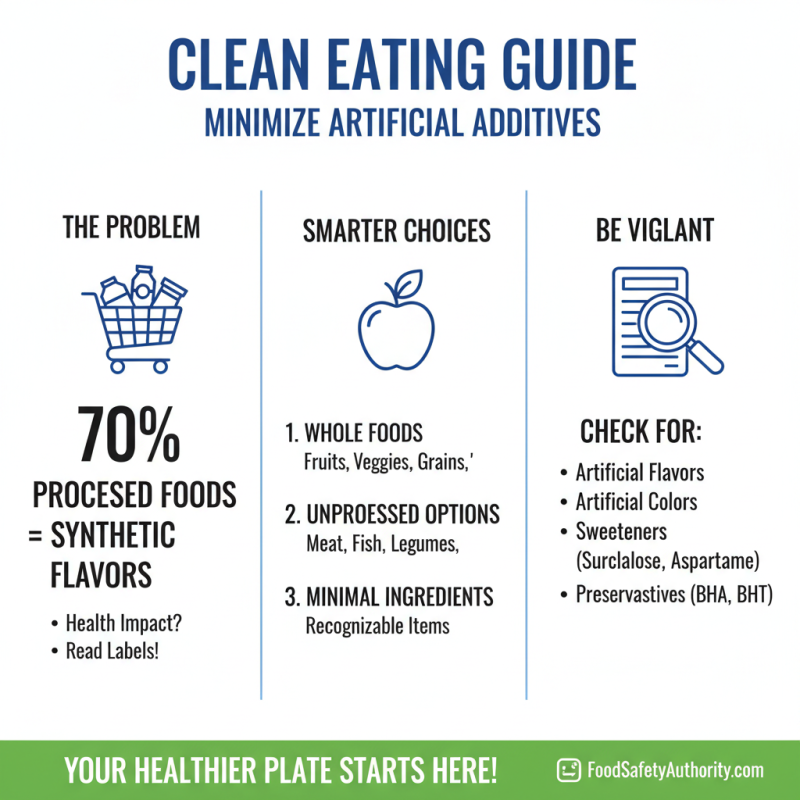
Understanding labels is essential. Ingredients like "natural flavor" can still hide artificial additives. Synthetic chemicals mimic natural flavors but can be harmful. Look for recognizable ingredients. If you cannot pronounce it, it might be artificial.
The presence of artificial flavoring raises health concerns. Some people may experience allergic reactions. Others might simply prefer real flavors. More research is needed to fully understand the long-term effects of consuming these additives. Being aware can help consumers make better choices.
Understanding Artificial Flavoring: A Brief Overview
Artificial flavoring is a common ingredient in many processed foods today. It mimics natural tastes but lacks the complexity and depth of real flavors. These synthetic compounds are often derived from various sources, including petroleum. They are designed to enhance the taste and aroma of products, making them more appealing to consumers.
Identifying artificial flavoring in food can be tricky. Many products use vague labels like "natural and artificial flavors." This wording can obscure the truth about what you are consuming. Reading ingredient lists is essential. Look for words like "artificial flavor" or specific chemical names. Visual cues can also help; if a product's color looks too vibrant or unrealistic, it may contain artificial additives.
Some people feel that artificial flavors enhance their enjoyment of food. Others are cautious and prefer whole, unprocessed foods. Reflecting on your choices is vital. Ask yourself: do you recognize the flavors you taste? Understanding the origins of your food can lead to healthier decisions. Be curious about what you eat and choose wisely.
Common Types of Artificial Flavoring in Food Products
When shopping for food, understanding artificial flavoring is crucial. Artificial flavorings can enhance or mimic natural flavors. They are prevalent in snacks, beverages, and even sauces. Common types include vanillin, ethyl butyrate, and maltol. Each one is designed to create a specific taste profile without using real ingredients.
Tips: Always read food labels. Look for terms like "artificial flavor" or "natural flavor." These can disguise the use of synthetic ingredients. Be aware that some flavors might not be evident. For instance, a fruit-flavored drink might contain no real fruit.
Another common example is the use of synthetic vanilla. Vanillin is often cheaper than real vanilla extract. It can be found in ice creams and desserts. Many consumers may not realize this substitution. It is important to consider what goes into our food. Real flavors can offer a more authentic taste. Artificial flavors, no matter how appealing, can be deceiving.
Common Types of Artificial Flavoring in Food Products
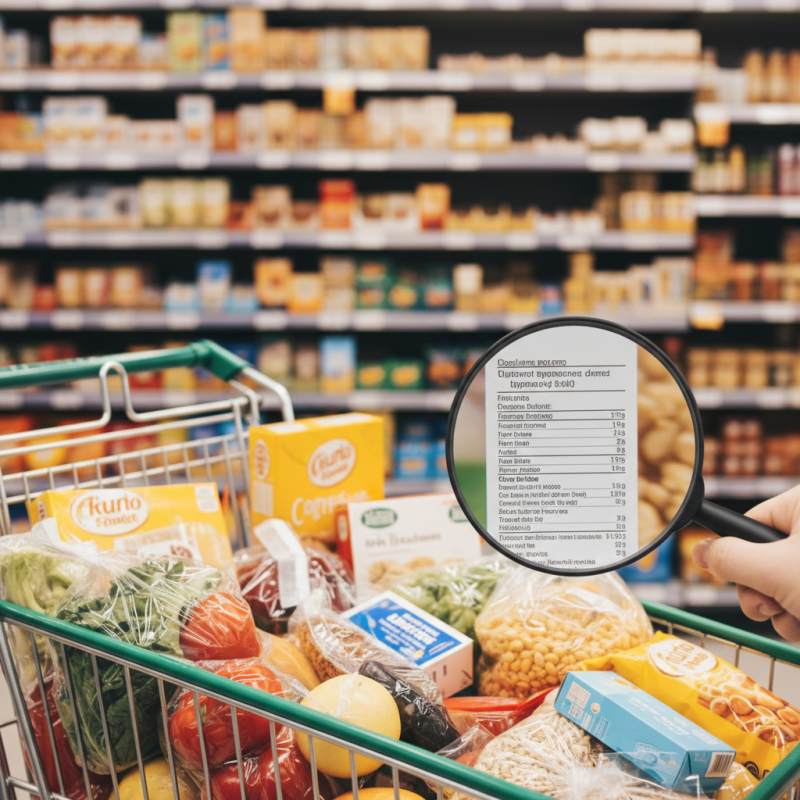
Reading Food Labels: Key Ingredients to Watch For
Reading food labels is crucial for identifying
artificial flavoring. Look for terms like
"natural flavor" and "artificial flavor." These vague labels can mask the
actual ingredients. The Food and Drug Administration (FDA) allows manufacturers some leeway in defining
these terms. Often, "natural flavor" can still be derived from
chemical processes.
In a 2018 report from the International Food Information Council, over 90% of consumers recognized
the importance of reading labels. However, many do not know how to interpret them. Artificial flavors can be linked
to various health concerns. Studies associate excessive consumption of these additives with allergies and
behavioral issues.
Be wary of ingredients like "ester" or "syrup." These often signify
artificial components in food. Manufacturers frequently use them for cheaper production. Experts recommend
focusing on fewer ingredients and whole foods. This approach
minimizes the risk of consuming unwanted additives. Reflect on your choices the next time you shop.
Identifying Natural vs. Artificial Flavoring Sources
Identifying natural versus artificial flavoring sources can be tricky. Natural flavors come from plant or animal sources. For instance, vanilla extracted from real vanilla beans is natural. In contrast, some artificial flavors might mimic these tastes without any real ingredients. They use chemicals to create similar sensations. This can be misleading for consumers who prefer natural options.
To spot these differences, check ingredient labels closely. Look for terms like "natural flavor" or "artificial flavor". These labels can offer clues. However, the vague wording of these terms often demands further investigation. Sometimes, a product with "natural flavor" may contain added chemicals. That's why understanding the source is crucial. Real, simple ingredients often lead to a more wholesome product.
Fresh herbs and spices typically signify natural flavors. But packaged foods may hide artificial additives behind enticing packaging. Consumers should consider cooking with whole ingredients. It may lead to healthier choices that are free from artificial flavorings. Awareness of what goes into your food is essential for making informed decisions.
 Blog
Blog