The Ultimate Guide to Natural Flavor Extracts Benefits and Uses
In recent years, the popularity of natural flavor extracts has surged, transforming the culinary landscape as chefs and home cooks alike seek healthier, more authentic ways to enhance their dishes. Renowned flavor expert Dr. Emily Caldwell, who has dedicated her career to the study of natural flavor compounds, asserts, “Natural flavor extracts not only deliver rich, vibrant tastes but also preserve the integrity of the ingredients, offering a genuine connection to the food we consume.” This underscores the essential role that natural flavor extracts play in both modern gastronomy and everyday cooking.
As consumers become more health-conscious, they are increasingly turning towards natural flavor extracts as a means to elevate their culinary creations without the use of artificial additives. From enhancing baked goods to infusing beverages with complex undertones, these extracts provide the essence of fruits, herbs, and spices in a concentrated form. The Ultimate Guide to Natural Flavor Extracts Benefits and Uses aims to explore the myriad advantages of incorporating these flavorful powerhouses into your kitchen repertoire, shedding light on their diverse applications and the science behind their effectiveness. Embracing natural flavor extracts not only enriches our meals but also supports a movement towards cleaner, more sustainable eating practices.

What Are Natural Flavor Extracts?
Natural flavor extracts are concentrated substances derived from fruits, vegetables, herbs, and spices that capture the essence of the original ingredient. Unlike artificial flavors, which are synthetically created, natural extracts undergo minimal processing while still retaining the genuine taste and aromatic profile of their source. Common examples include vanilla extract derived from vanilla beans and almond extract obtained from almond seeds, both of which provide a rich flavor without the use of synthetic additives.
These extracts serve as versatile flavor enhancers in various culinary applications, ranging from baking and cooking to homemade beverages. They can elevate the taste of desserts, impart a hint of flavor to savory dishes, or infuse beverages with pleasing aromas. Additionally, natural flavor extracts can be an excellent option for those seeking to enhance their meals and treats while avoiding artificial ingredients. Their rich taste helps create a more authentic experience, making them a preferred choice for health-conscious consumers and culinary enthusiasts alike.
The Health Benefits of Natural Flavor Extracts
Natural flavor extracts have gained popularity for their potential health benefits, serving as a flavorful alternative to synthetic additives. According to a report from the International Journal of Food Science & Technology, natural extracts, derived from fruits, vegetables, and herbs, are rich in beneficial compounds such as antioxidants and essential oils. These compounds may contribute to improved digestion, enhanced mood, and even anti-inflammatory properties. For instance, extracts like vanilla and peppermint are often praised for their ability to soothe the digestive tract and promote relaxation, making them ideal for both culinary and therapeutic applications.
Furthermore, research from the Journal of Agricultural and Food Chemistry indicates that the consumption of natural flavors can lead to a more enjoyable eating experience, encouraging healthier dietary choices. By enhancing the sensory appeal of food without the need for added sugars or artificial ingredients, natural flavor extracts can help reduce overall calorie intake. A study highlighted that individuals who incorporated natural extracts into their meals reported a higher satisfaction level, which may aid in weight management and promote a balanced diet.
As consumers continue to seek cleaner and more wholesome ingredients, the multifaceted benefits of natural flavor extracts are becoming increasingly recognized in the food industry.
Common Uses of Natural Flavor Extracts in Cooking
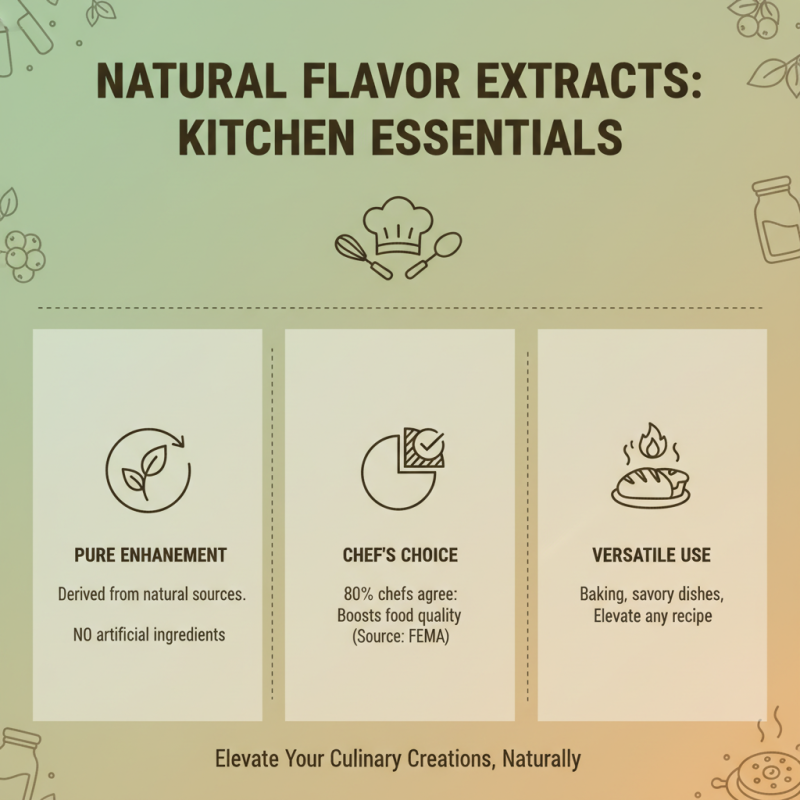
Natural flavor extracts have become increasingly popular in the culinary world, offering an array of benefits that enhance both the aroma and flavor of dishes without the use of artificial ingredients. According to a report from the Flavor and Extract Manufacturers Association, over 80% of chefs believe that natural flavors contribute significantly to the quality of the food they create. These extracts are versatile and can be used in various cooking applications, from baking to savory dishes, making them essential in any kitchen.
One common use of natural flavor extracts is in baking. Many bakers leverage these extracts, such as vanilla, almond, and citrus, to elevate the flavor profile of their products. For instance, a study published in the Journal of Food Science highlighted that baked goods made with natural vanilla extract received higher sensory scores from taste testers compared to those made with synthetic vanilla flavoring. Additionally, flavor extracts can enhance dressings and marinades, allowing for a customizable experience without added sugars or artificial preservatives.
**Tips:** When incorporating natural flavor extracts into your cooking, remember that a little goes a long way. Start with a small amount and adjust according to taste. For stronger flavors, consider letting the extracts infuse in your mixtures for a longer time. This not only intensifies the flavors but also improves the overall quality of your dishes.
How to Choose Quality Natural Flavor Extracts
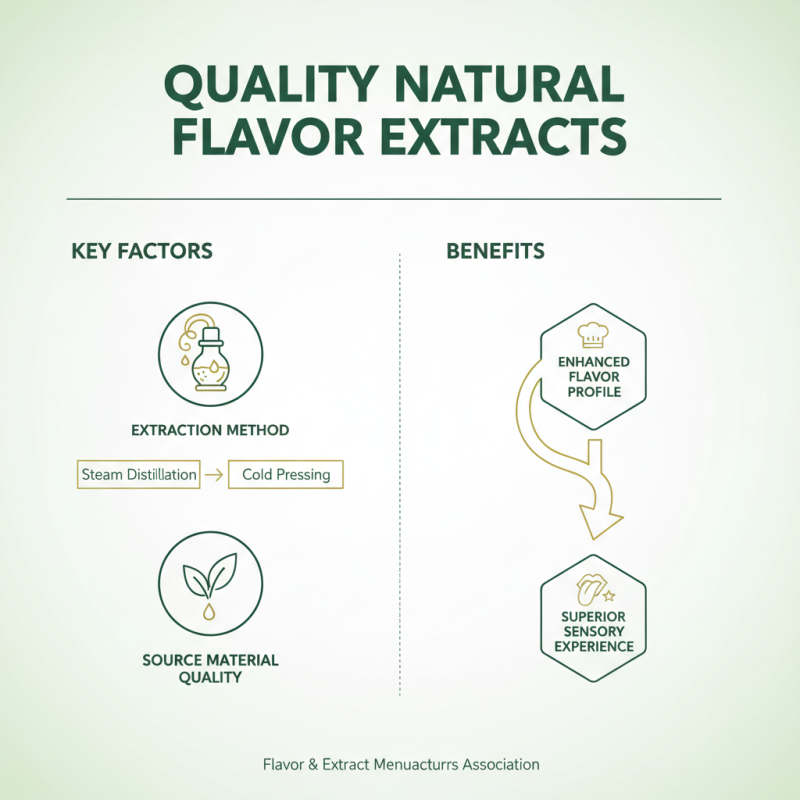
When selecting quality natural flavor extracts, it’s essential to consider several key factors that differentiate premium products from lower-quality options. The extraction method is paramount; steam distillation and cold pressing are often regarded as the most effective techniques for preserving the essential compounds of the source material. According to a report by the Flavor and Extract Manufacturers Association, proper extraction can significantly enhance the flavor profile, resulting in better sensory outcomes in food and beverages.
Another important aspect is the source of the ingredients. Look for extracts made from organic fruits, herbs, or spices, as they tend to yield more robust flavors and are free from synthetic additives. A 2021 study published in the Journal of Agricultural and Food Chemistry highlighted that natural extracts derived from organic sources possess higher concentrations of flavor-active compounds. Additionally, transparency in sourcing helps ensure that the extracts are free from contaminants, providing both quality and safety for consumers.
Lastly, scrutinizing labels for purity is crucial. High-quality extracts should list only the ingredient and alcohol or glycerin, with no artificial sweeteners or preservatives. Reports indicate that consumers are increasingly demanding cleaner labels, driving the market for natural flavor extracts to expand significantly, projected to grow by 4.3% annually through 2026. Choosing extracts that adhere to these quality indicators can elevate culinary creations and promote consumer confidence in food ingredients.
DIY: Making Your Own Natural Flavor Extracts at Home
Making your own natural flavor extracts at home is a rewarding and straightforward process that elevates your culinary creations. To get started, you'll need a few basic ingredients such as high-proof alcohol (like vodka), fruits, herbs, or spices, and a clean glass jar. The fundamental technique involves combining your chosen flavoring agent with alcohol in the jar, sealing it tightly, and allowing it to steep for several weeks in a cool, dark place. This allows the flavors to meld beautifully, resulting in a vibrant extract to use in your favorite recipes.
Tips: Choose fresh ingredients for the best flavor. For vanilla extract, use whole vanilla beans, while citrus zest can work wonders for fruit extracts. The longer you allow the mixture to sit, the more intense the flavor will become. Don't hesitate to experiment with different combinations—like mint and chocolate or almond and peach—since this can lead to unique culinary delights tailored to your taste.
Once your extracts are ready, strain the mixture through a fine mesh sieve to remove any solids, and pour the liquid into clean bottles. Labeling your extracts can help you keep track of the different flavors. These homemade flavor extracts are perfect for enhancing baked goods, cocktails, and even savory dishes, offering a delightful way to explore the art of flavor in your kitchen.
 Blog
Blog