
Fermentation is an ancient art. Many people embrace it for its health benefits and unique flavors. The floating lid technique has become popular among fermentation enthusiasts. This method allows for better control over the fermentation environment, leading to improved results.
Fermentation with floating lid can reduce oxidation. It minimizes the contact between the air and your ferment. This technique helps to keep your mixture anaerobic, which is essential for proper fermentation. However, mastering this method takes practice. You may face issues like mold growth or uneven fermentation. It’s important to regularly check your work and make adjustments as needed.
Using this technique can yield delightful results. Imagine tasting a perfectly fermented batch of sauerkraut or kimchi. The flavors are often more vibrant and complex. Yet, it’s crucial to stay vigilant. Learning from mistakes is just as vital as enjoying successes in the fermentation journey. Be patient and open to experimentation.
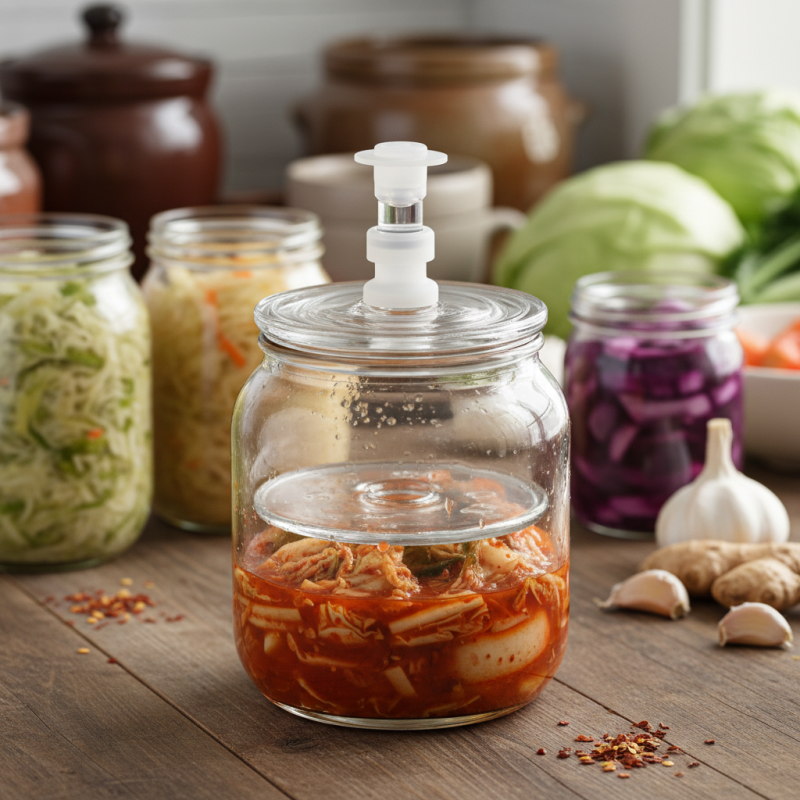
The Floating Lid Technique in fermentation allows for better control of the environment. This method minimizes oxygen exposure, which can spoil the fermentation process. It utilizes a floating lid that creates a barrier against contaminants. Using this approach, you can enhance flavors and improve your results.
To implement the floating lid technique, begin with a clean fermentation vessel. Ensure the lid is made of safe, non-reactive material. The lid should float efficiently on the liquid's surface. This minimizes the surface area exposed to air. During fermentation, it's essential to monitor the temperature and humidity. Adjustments may be necessary to maintain optimal conditions.
Not every batch may turn out perfect. Some may over-ferment or develop off-flavors. It's important to document each fermentation attempt. Identify what worked and what didn’t. Experimentation is key. It helps in understanding how different factors interact. Each attempt can lead to a better understanding of the fermentation process.
| Fermentation Aspect | Description | Importance |
|---|---|---|
| Floating Lid | A method that allows gases to escape while keeping contaminants out. | Prevents spoilage and promotes healthy fermentation. |
| Materials Used | Typically uses a lid made of food-safe materials, like silicone or plastic. | Ensures safety and effectiveness of fermentation process. |
| Fermentation Duration | Varies based on food item; can range from a few days to several weeks. | Directly impacts flavor and quality of the fermented product. |
| Temperature Control | Optimal temperatures vary; usually between 65°F to 75°F (18°C to 24°C). | Crucial for ensuring proper microbial activity during fermentation. |
| Monitoring | Regularly check for bubbles and odor to assess fermentation progress. | Allows for timely adjustments to ensure successful fermentation. |
The floating lid technique in fermentation offers notable benefits for both amateur and seasoned fermenters. Research shows that a floating lid can significantly reduce oxidation, which is crucial for preserving the quality of fermented products. According to a study published in the "Journal of Food Science," fermentation with a floating lid can improve lactic acid bacteria viability by up to 25%. This enhancement can lead to better flavor profiles and improved probiotic content.
Additionally, using a floating lid helps control the environment within the fermentation vessel. It minimizes the risk of contamination from airborne microorganisms. This technique also allows gases produced during fermentation to escape, preventing pressure build-up. A report from the American Society of Brewing Chemists notes that maintaining a consistent anaerobic environment can increase batch success rates by nearly 15%. However, some users may find it challenging to achieve a perfect seal, leading to varied results. It's essential to monitor the fermentation closely to ensure optimal conditions.
With the right adjustments, the floating lid method becomes a more reliable process. Many home brewers have observed that experimenting with different materials and weights for the lid can yield better results. While the floating lid method comes with its learning curve, the potential advantages make it worth exploring.
Fermenting with a floating lid technique can be a rewarding experience. To set it up, start by choosing a suitable fermentation vessel. Glass jars or food-grade buckets work well. Make sure they are clean and sterilized. The goal is to create an anaerobic environment, which helps in the fermentation process.
Next, prepare your ingredients. Whether you're fermenting vegetables or beverages, quality is crucial. Chop or slice your produce evenly. This ensures a consistent fermentation. Place the chopped items into your vessel, leaving some space at the top. Now, create your floating lid. You can use a plate or a clean piece of plastic, balanced carefully. Add weight to keep it submerged, but ensure it's not too heavy to avoid crushing your items.
During fermentation, monitor the process regularly. Check for bubbles or signs of activity. Sometimes, issues arise due to temperature fluctuations or inadequate weight. If you notice mold, carefully remove it. Remember, fermentation is about trial and error. Be prepared to adjust your methods. Learning from mistakes can improve your technique over time. Enjoy the journey of discovering the nuances of fermentation!
Fermenting with a floating lid can be rewarding, yet common mistakes can derail your process. One frequent error is not ensuring a proper seal. Without it, air exposure can lead to unwanted mold and spoilage. Check for gaps. A snug fit is essential.
Temperature control is another critical factor. Too warm or too cold can inhibit fermentation. Aim for a consistent room temperature, ideally between 65°F to 75°F. This range promotes healthy bacterial growth. Unexpected temperature fluctuations can compromise your batch.
Tips: Always inspect your fermentation vessel. Clean equipment reduces the risk of contamination. When in doubt, trust your senses. Smells and textures can indicate issues. Remember, fermentation is both science and art; practice makes progress. Don’t hesitate to experiment. Each mistake is an opportunity to learn, adjust, and improve your techniques.
Fermenting with a floating lid can be an exciting process. To ensure success, maintaining optimal conditions during fermentation is crucial. A consistent temperature is important, ideally between 68°F and 72°F. Too much heat can spoil your batch. Too little can slow fermentation. Using a thermometer can help monitor these conditions effectively.
Oxygen levels play a significant role. A floating lid technique allows gas exchange while preventing contaminants. Ensure the lid floats well above the liquid. This approach can prevent unwanted odors and flavors. During fermentation, check the bubbles. Their activity indicates the process is on track.
Keep an eye on the pH levels, as they influence the taste and safety of your ferment. Using pH strips can help track changes. If the flavor seems off, adjust your technique for next time. Not every batch turns out perfectly. Sometimes, a small tweak can make a huge difference in future ferments. Experimentation is key; learning from each attempt will enhance your understanding of fermentation.
(Your form has been submitted.)
We'll be in touch soon! Until then, take a look around — you never know what you'll find!