10 Tips for Buying Natural Flavor Concentrates?
Natural flavor concentrates are moving from niche ingredients to practical tools for cleaner-label product development. Market reports from Grand View Research and MarketsandMarkets describe steady growth in natural flavors, supported by consumer interest in recognizable ingredients, plant-based products, and transparent sourcing. Innova Market Insights also identifies ingredient simplicity and authenticity as important food and beverage trends. Yet, market growth does not make purchasing easier. A small bottle can carry major technical risks.
“Flavor is the sum of all the sensations perceived during eating,” explains Dr. Susan E. Duncan, a food science and sensory evaluation specialist. This principle matters when selecting natural flavor concentrates. A citrus concentrate may smell bright in the drum, then fade after baking. A vanilla profile may taste creamy in water but become thin in an acidic beverage. Testing must happen in the real product matrix.
This guide presents 10 practical tips for buying natural flavor concentrates. It covers source documentation, sensory performance, dosage, stability, allergens, certifications, supplier expertise, and cost-in-use. Read the specification sheet carefully. Ask how the flavor performs after heat, storage, and dilution. Do not trust “natural” as a complete quality judgment. It describes a category, not guaranteed freshness, strength, or sustainability. Some purchasing decisions will remain imperfect, especially when supplier data is incomplete. That uncertainty deserves attention, not silence.
Define Natural Flavor Concentrates and Their Common Uses
10 Tips for Buying Natural Flavor Concentrates
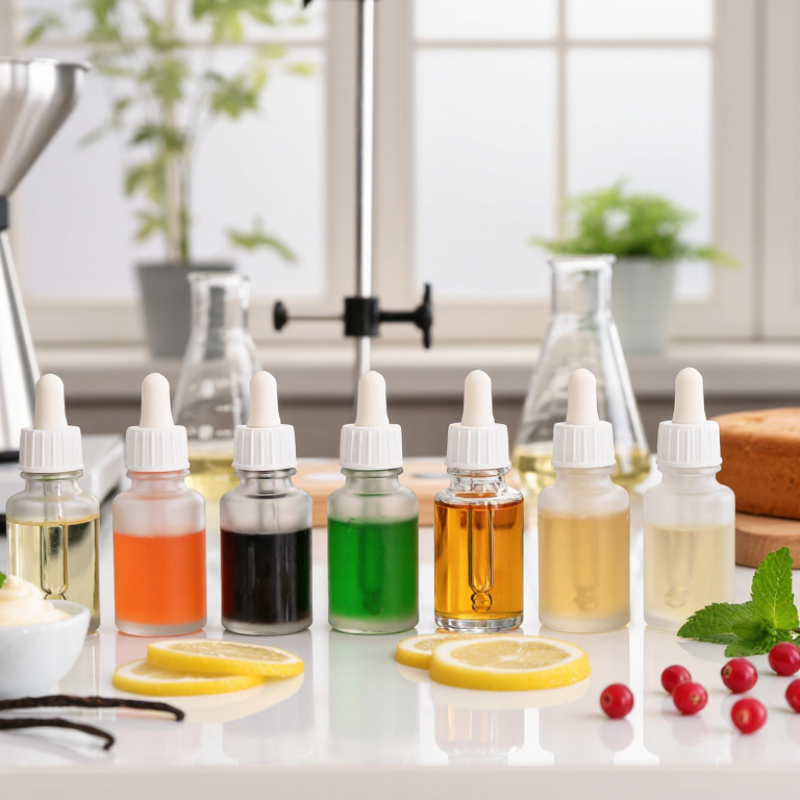
Natural flavor concentrates are potent flavor preparations derived from natural sources, such as fruits, herbs, spices, or fermentation. They are added to beverages, bakery products, dairy foods, confectionery, sauces, and nutritional products. Under U.S. FDA 21 CFR 101.22, “natural flavor” describes flavoring substances obtained from plant, animal, or microbial sources. It does not automatically mean healthier or minimally processed. Grand View Research estimated the global food flavor market at about USD 16.9 billion in 2023, with continued growth expected through 2030. Market boundaries differ, so treat figures carefully.
Tip: Define your application first.
Tip: Request the full ingredient statement.
Tip: Check whether the concentrate is water-soluble or oil-soluble.
Tip: Ask for recommended dosage ranges.
Tip: Confirm allergen and carrier information.
A clear specification matters.
My practical mistake was comparing aroma strength without checking the finished product’s acidity. That created a sharp, unbalanced citrus note.
Tip: Review batch consistency.
Tip: Request certificates of analysis and microbiological results.
Tip: Test the flavor after heating, chilling, and storage.
Tip: Compare samples in your actual recipe, not only on a tasting strip.
Tip: Verify documentation for your target market.
Natural flavor rules can differ across countries. I would also question vague “clean label” claims. They sound persuasive, but they may explain very little about sourcing, processing, or performance.
Evaluate Ingredient Sources, Purity, and Regulatory Compliance
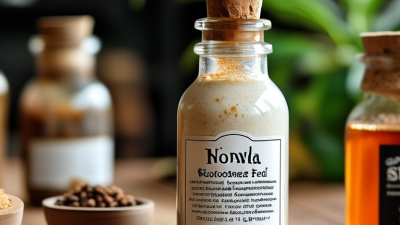
Natural flavor concentrates can look simple: a small amber bottle, a strong aroma, and a clean label. Yet sourcing decisions determine safety, consistency, and legal usability. Grand View Research estimated the global natural flavors market at approximately USD 8.1 billion in 2023. That growth increases supplier choices, but not necessarily supplier quality. Request the manufacturing country, source material, extraction method, and complete batch code. Ask for a current certificate of analysis. Do not accept a generic PDF.
Check identity, assay, density, microbiological limits, heavy metals, residual solvents, and allergens. Purity is not the same as concentration. An extract can be legally natural yet vary between harvests. Compare chromatographic fingerprints when authenticity matters, especially for citrus, vanilla, or spice profiles. Use independent testing for valuable or high-risk materials. EU Regulation 1334/2008 and U.S. 21 CFR 101.22 define natural flavoring differently. Your label must follow the destination market, not the supplier’s home market.
Review sanitation controls, traceability, allergen statements, and GMO documentation where relevant. Keep sensory samples from three production lots. Record dilution behavior in the finished beverage, filling, or confectionery. I have learned that a polished COA can still leave unanswered questions. Supplier audits and a second laboratory check may delay approval. They can also prevent expensive reformulation. Ten minutes saved during qualification can become weeks of rework.
Verify Supplier Quality, Packaging, Shelf Life, and Pricing
10 Tips for Buying Natural Flavor Concentrates
Tip 1: Verify the supplier’s quality system before discussing volume. Request product specifications, batch records, allergen statements, and recent certificates of analysis. A dependable supplier should explain flavor sources, processing methods, and traceability clearly. Ask for a small sample, then test it in your actual formula. A pleasant aroma alone proves little. I once trusted a strong sample too quickly, and its flavor weakened after baking.
Tip 2: Inspect packaging as carefully as the concentrate itself. Food-grade containers should be sealed, clean, and suitable for light and temperature protection. Check the lot number, production date, storage instructions, and tamper evidence. Damaged caps or leaking bottles suggest poor handling. Photograph deliveries when they arrive. It helps resolve disputes, although photos cannot replace proper receiving checks.
Tip 3: Confirm shelf life under realistic storage conditions. Ask whether the date refers to unopened or opened material. Review recommended temperatures, moisture exposure, and expected changes in color or aroma. Pricing should include freight, minimum quantities, testing, and possible waste. The cheapest option may cost more after reformulation. Compare equal concentrations, not just prices per container. Keep written records of every quotation and technical reply.