Top Tips for Sourcing Organic Flavor Extracts Globally?
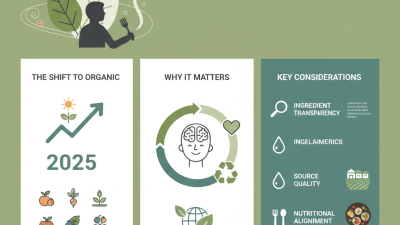
The global market for organic flavor extracts is witnessing significant growth. According to a recent report by Research and Markets, the industry is projected to reach USD 1.2 billion by 2025, reflecting a surge in consumer demand for natural and organic products. As more manufacturers pivot toward cleaner ingredients, sourcing quality organic flavor extracts has become paramount.
Renowned industry expert Dr. Lisa Thompson emphasizes, "The future of flavor lies in authenticity and sustainability." This statement resonates deeply with brands aiming to meet the evolving consumer preferences. While many companies seek to establish their foothold in this sector, the challenge remains in identifying reliable sources. Quality varies widely, and businesses must tread carefully in their selection process.
Navigating the global market involves understanding regional suppliers and their certifications. Authentic suppliers often possess organic certifications that ensure product integrity. However, not all certifications are created equal, leading to potential pitfalls in sourcing. It's crucial to engage with suppliers transparently and verify claims. This diligence not only builds trust but also ensures the integrity of the organic flavor extracts being sourced.

Essential Considerations for Sourcing Organic Flavor Extracts
When sourcing organic flavor extracts, several crucial considerations come into play. It's essential to evaluate the origin of the extracts. Look for regions known for high-quality organic production. Research local farming practices to ensure they align with organic standards. This contributes to the sustainability of sourcing.
Another significant factor is the certification of the suppliers. Ensure that the producers have valid organic certifications recognized in your target market. Certifications reflect a commitment to quality and adherence to organic guidelines. However, be cautious. Some suppliers might falsely claim certifications. Verify their documents and ask for third-party accreditation.
Lastly, consider the extraction methods used. They greatly influence flavor profiles and quality. Methods like cold pressing and steam distillation are preferred for pure flavors. However, some companies may use synthetic processes, leading to lower-quality extracts. Developing a strong relationship with suppliers can provide insights into their processes. This is vital for creating a reliable supply chain and ensuring product integrity.
Identifying Reliable Global Suppliers of Organic Flavor Extracts
When sourcing organic flavor extracts globally, it’s crucial to identify reliable suppliers. Start by examining the supplier’s certifications. Valid certifications ensure that their products meet organic standards. Look for documentation that proves their sourcing practices. This will give you confidence in the quality of the extracts.
Researching the supplier’s reputation is also imperative. Online reviews and testimonials can provide insights. However, be cautious of biased reviews. Reach out to past clients, if possible. Ask them about their experiences. It’s essential to gauge reliability and service quality. Engage suppliers in conversation about their sourcing methods and ingredient transparency.
Consider building relationships with multiple suppliers. This can mitigate risks. Diversifying your sources helps prevent supply issues. Always communicate your quality expectations clearly. Sometimes, discrepancies may arise due to miscommunication. Take the time to reflect on your sourcing strategy. Ensure that it aligns with your brand values and customer expectations. This process requires patience and diligence. Authentic relationships can yield better sourcing results.
Evaluating Quality Standards for Organic Flavor Extracts
When sourcing organic flavor extracts, evaluating quality standards is crucial. According to the International Organization for Standardization (ISO), compliance with organic regulations can significantly enhance product credibility. Cultivating flavors in organic environments often leads to different taste profiles when compared to conventional methods.
Quality assessments should focus on the extraction process. Solvent methods often compromise the purity of the extract. Studies show that cold pressing can retain flavor integrity better than chemical extraction. Consumers increasingly demand purity. A 2022 Nielsen report highlighted that 72% of shoppers prioritize organic labeling. They associate it with higher quality and better health benefits.
Understanding the certifications required is vital. Various regions have different organic standards, which can influence sourcing decisions. For instance, the USDA Organic certification is stringent, ensuring high-quality standards. Yet, not all suppliers may meet these criteria. Continuous evaluation of suppliers through audits can help maintain a high standard. Regular feedback loops and transparent communication can also reveal areas for improvement.
Top Tips for Sourcing Organic Flavor Extracts Globally
Understanding Regulatory Compliance for Organic Flavor Imports
When importing organic flavor extracts globally, understanding the regulatory landscape is crucial. In the United States, the USDA regulates organic products under the National Organic Program (NOP). Compliance requires that ingredients be sourced from certified organic suppliers. Each ingredient must meet specific criteria, ensuring they are free from synthetic pesticides and fertilizers. The global market reached an estimated $1.1 billion in organic flavor extracts by 2022, indicating a growing demand. Yet, navigating this complex regulatory framework can be daunting.
Countries often have varying regulations. For instance, the European Union has its own standards for organic imports. They focus heavily on traceability and sustainable practices. A recent industry report highlighted that 30% of businesses face challenges due to unclear import guidelines. This lack of clarity can lead to potential delays and financial risks. It's essential for businesses to engage with local regulatory experts to ensure compliance. An ineffective approach to sourcing may lead to costly mistakes.
Staying informed about changes in regulations is equally important. The landscape evolves as consumer preferences shift towards transparency and sustainability. Regular audits of sourcing practices can aid in maintaining compliance. Companies must monitor their suppliers closely to avoid non-compliance issues. The responsibility lies not only in sourcing organic ingredients but ensuring that every step in the supply chain adheres to these stringent regulations.
Building Sustainable Relationships with Flavor Extract Suppliers
Building strong relationships with flavor extract suppliers is vital for sourcing organic ingredients. Trust is a cornerstone in any partnership. Regular communication builds mutual understanding. Transparency in sourcing practices is essential. Suppliers must demonstrate their commitment to sustainability.
Recent data from the Flavor Extracts Market Report indicates a significant increase in demand for organic flavors, set to grow at a CAGR of 5.8% from 2021 to 2028. This demand emphasizes the importance of selecting reliable suppliers. They should adhere to organic certification and sustainable farming practices. A recent survey indicated that 72% of businesses prioritize ethical sourcing. Collaboration with suppliers who share these values can enhance brand reputation.
Reflecting on sourcing challenges can provide insights. Some suppliers may lack transparency, leading to trust issues. Businesses can address this by implementing regular audits and visits. Engaging suppliers in discussions about sustainability initiatives is beneficial. Building these relationships takes time, but the rewards are substantial for all parties involved.
 Blog
Blog