What Are the Top Liver Cat Treats?

Choosing the best Liver Cat Treats requires more than trusting a shiny package or a dramatic health claim. Liver-based snacks can provide concentrated animal protein, appealing aroma, and useful training rewards. However, “liver” does not automatically mean complete, balanced, or suitable for every cat. Some products contain excessive calories, salt, fat, or added ingredients that sensitive cats may not tolerate well.

Veterinary nutritionist Dr. Lisa M. Freeman has emphasized that treats should complement a cat’s balanced diet, not replace it. That principle matters here. A small freeze-dried liver cube may look harmless, yet several pieces can quickly become a meaningful part of a cat’s daily calories. The texture also matters. Crumbly treats can hide beneath furniture, while hard pieces may challenge older cats with dental discomfort. Real experience often exposes details that labels overlook.

This guide examines ingredient quality, sourcing, preparation, calorie density, and feeding safety. It also considers whether each product suits kittens, senior cats, indoor cats, or cats with medical conditions. Cats with liver disease, obesity, diabetes, or prescription diets need individual veterinary advice before receiving new treats. There is no universal winner. Even an excellent product may cause stomach upset in one cat. That is easy to forget.

We will compare popular options carefully, identify questionable claims, and explain practical serving sizes. The goal is not to make Liver Cat Treats sound miraculous. It is to help owners choose thoughtfully, observe their cats closely, and adjust when something does not seem right.
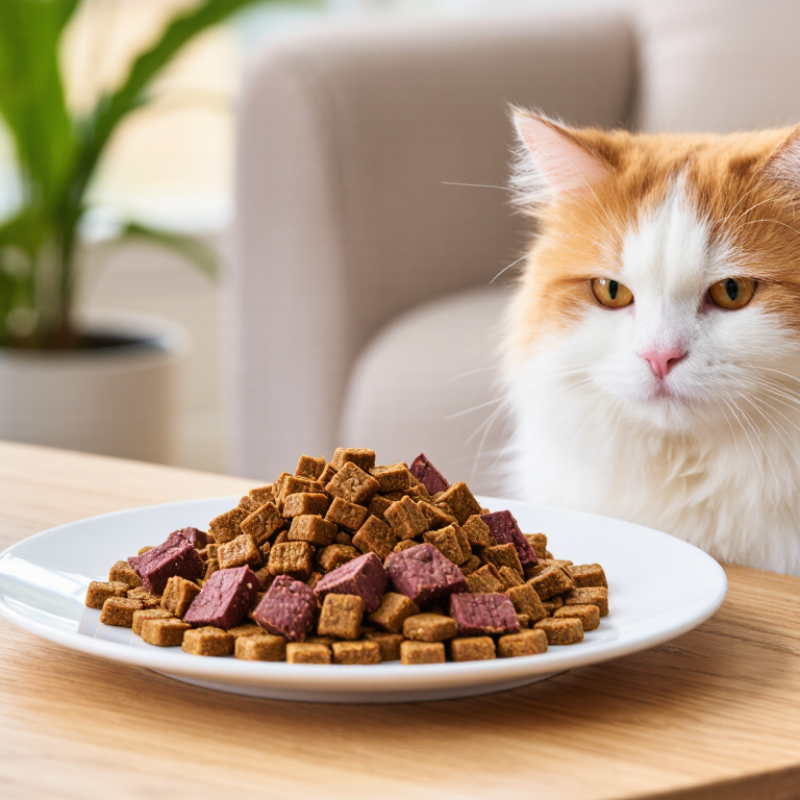
What Are the Top Liver Cat Treats?

What Makes Liver Treats Suitable for Cats?

What makes liver treats suitable for cats? The answer starts with nutrition, not packaging or marketing. Cats need animal-based nutrients, including taurine, preformed vitamin A, and highly digestible protein. The 2024 AAFCO Official Publication sets nutrient profiles for complete cat diets, but treats do not replace those diets. A suitable liver treat should remain a small addition.

Liver is nutrient-dense. USDA FoodData Central lists about 9,000 micrograms of vitamin A per 100 grams of cooked beef liver. That concentration explains its appeal and its risk. Excessive feeding may contribute to vitamin A toxicity over time. Veterinary nutrition guidance commonly keeps treats below 10% of daily calories. A thumb-sized piece can be enough.

Choose plain, fully cooked liver with no onion, garlic, heavy salt, or sugary coating. FEDIAF’s 2024 nutritional guidelines reinforce the need for balanced feeding and controlled nutrient intake. Texture matters too. Soft, pea-sized pieces suit many cats, especially during training. In my experience, cats often prefer warm, aromatic pieces over dry cubes. Still, preference is not proof of suitability. Some cats vomit after rich liver treats, and individual tolerance is easy to overlook. Store leftovers cold and discard questionable portions. A careful owner should check the cat’s complete diet, weight, age, and medical history before feeding liver regularly.

Which Types of Liver Cat Treats Are Available?

What Are the Top Liver Cat Treats?

Which Types of Liver Cat Treats Are Available?

Liver cat treats come in several forms, and each suits different feeding habits. Freeze-dried liver is light, crisp, and usually made from one animal ingredient. It crumbles easily over food, but some cats may find the texture too dry. Dehydrated liver is firmer and chewier. Small pieces can work well during training or gentle handling practice. Baked liver treats often have a harder bite and may include other ingredients, so read the label carefully.

Soft liver treats are easier for older cats or cats with dental discomfort. However, they may contain more moisture, starch, or flavoring ingredients. Single-ingredient treats offer clearer information, especially for cats with suspected food sensitivities. Check the animal source, expiration date, storage instructions, and calorie content. Treats should remain a small part of the daily diet.

Uncooked liver is another available type, but it needs greater caution. Handling and storage errors can create health risks, while frequent liver feeding may provide excessive vitamin A. That assumption is easy to miss. A veterinarian can help match the treat type and portion to a cat’s age, weight, medical history, and regular diet. Cats also differ widely. One may prefer a crunchy cube, while another rejects it after one sniff.

How to Compare Ingredients and Nutritional Value

What Are the Top Liver Cat Treats?

The best liver cat treat is not automatically the richest or most expensive option. Compare the ingredient list, guaranteed analysis, and feeding guidance together. Look for named liver, such as chicken liver or beef liver, rather than vague “animal derivatives.” A short ingredient list can improve transparency, but it does not prove complete nutrition. AAFCO nutrient profiles apply to complete foods, not every treat. Therefore, liver treats should supplement meals, not replace them.

Liver is nutrient-dense, especially in vitamin A and copper. USDA FoodData Central reports that raw beef liver contains about 9,400 micrograms of vitamin A per 100 grams. Drying may concentrate nutrients further. Excessive intake can create nutritional problems over time, so portion size matters. WSAVA’s Global Nutrition Toolkit recommends keeping treats below 10% of a cat’s daily calories. Check calories per piece, protein, fat, moisture, and added minerals. Avoid relying only on crude protein; it does not show amino-acid quality or digestibility. I would also question labels promising “liver support.” They may sound clinical without offering strong evidence.

Tips: Choose single-protein treats when possible. Break larger pieces into smaller bites. Store dried liver in a sealed container. Introduce it slowly and watch stool, appetite, and weight. Cats with kidney, liver, or digestive conditions need veterinary guidance. My comparison is imperfect because laboratory values can differ between batches, species, and processing methods. That uncertainty deserves attention.

How Often and How Much Liver Treats Should Cats Eat?

What Are the Top Liver Cat Treats?

Liver treats can provide strong aroma and useful animal protein, but portion size matters more than excitement. The WSAVA Global Nutrition Committee advises keeping all treats below 10% of a cat’s daily calories. For a 4-kilogram indoor cat eating about 200 calories daily, treats should provide roughly 20 calories. This is only an estimate. Age, neutering status, activity, and medical conditions can change the target.

Keep liver treats occasional. A practical starting point is one or two very small pieces, once or twice weekly. Dried liver is concentrated, so a piece smaller than a fingernail may be enough. Check the package calories, or ask a veterinarian to calculate them from the cat’s diet. FEDIAF’s 2024 nutritional guidelines stress that complementary foods should not displace a complete and balanced diet. Liver should remain a garnish, not a meal.

Too much liver may supply excessive preformed vitamin A over time. That risk is easy to underestimate because cats often beg for the smell. Raw liver also deserves caution because handling and microbial contamination can create avoidable problems. Cooked or commercially prepared treats from a reliable source are generally easier to portion safely. I would not promise that “natural” means harmless; that assumption needs questioning. A cat gaining weight, vomiting, or refusing regular food needs veterinary advice, not extra treats.

What Safety Risks Should Cat Owners Consider?

Liver treats can attract even picky cats with their rich smell and soft texture. However, liver is not a complete meal. It contains high levels of vitamin A and copper. Too much may contribute to bone changes, stiffness, vomiting, or other health problems. Veterinary nutrition guidance recommends treating liver as an occasional reward, not a daily food. I used to view small treats as harmless, but portion size matters more than many owners expect.

Tips: Choose plain, fully cooked liver with no onion, garlic, salt, butter, or sauces. Avoid raw liver because bacteria can threaten cats and people in the home. Cut treats into tiny pieces, and keep all treats below about ten percent of daily calories. A pea-sized piece may be enough for training.

Cats with liver disease, kidney problems, digestive sensitivity, or special diets need extra caution. Kittens and older cats may also react differently to rich foods. Watch for diarrhea, vomiting, unusual thirst, weakness, or reduced appetite after feeding liver treats. Stop the treat and contact a veterinarian if these signs appear. Ask a veterinary professional about safe portions when your cat already eats supplements or vitamin-fortified food. Store cooked pieces in the refrigerator and discard leftovers after several days. Homemade treats can seem healthier, but nutrition is easy to misjudge. Rescue cats, in particular, may eat quickly and hide discomfort. A slow introduction reveals problems sooner.

What Are the Top Liver Cat Treats? — What Safety Risks Should Cat Owners Consider?
Rank Treat Type Why It Can Be a Good Choice Important Safety Considerations Suggested Use Overall Safety Profile
1 Plain, fully cooked liver Provides highly palatable animal protein and naturally occurring vitamin A, iron, copper, and other nutrients. Serve without salt, onions, garlic, butter, sauces, or seasoning. Cut into small pieces and allow it to cool before serving. Use as an occasional treat rather than a regular meal ingredient.
2 Single-ingredient freeze-dried liver Convenient, lightweight, and usually easy to portion. A single-ingredient recipe makes unwanted additives easier to identify. Freeze-drying does not reliably eliminate all pathogens. Follow the package handling instructions and avoid products with unclear sourcing or ingredient information. Break into very small pieces and count the treat as part of the daily calorie allowance.
3 Air-dried or dehydrated liver Offers a shelf-stable way to provide a strong meaty flavor without sauces or added ingredients. Check that the product is completely dry, contains no toxic seasonings, and is appropriate for the cat’s age and health status. Offer small pieces occasionally and provide access to fresh water.
4 Small amounts of liver-based soft treats May be useful for training or medication routines when the recipe has a clear ingredient list and controlled calories. Review the guaranteed analysis and ingredient list for excess fat, sodium, sweeteners, preservatives, or other ingredients unsuitable for cats. Use sparingly, especially for cats that are overweight or have digestive problems. Acceptable only after label and portion review
5 Raw liver Some cats may find it highly appealing, but there is no established nutritional need for serving it raw. Raw animal tissue can carry harmful bacteria and parasites. It may also create food-safety risks for people and other animals in the household. Not recommended as a routine treat; cooked options are safer. Higher food-safety risk
6 Seasoned, fried, or table-prepared liver It may be readily available, but preparation methods can add unnecessary fat, salt, and unsafe ingredients. Never offer liver containing onions, garlic, chives, alcohol, heavily salted seasoning, or rich sauces. These foods may be harmful to cats. Avoid sharing human leftovers; prepare a plain portion separately if liver is offered. Not recommended
Key safety rule: Liver should remain an occasional treat, not a dietary staple. Excessive liver intake over time can provide too much preformed vitamin A, which may contribute to vitamin A toxicity and skeletal problems. Treats of all kinds should generally provide no more than about 10% of a cat’s daily calories, with the remaining nutrition coming from a complete and balanced cat food. Extra caution: Ask a veterinarian before offering liver treats to kittens, pregnant or nursing cats, cats with liver or kidney disease, cats receiving prescription diets, or cats with a history of digestive sensitivity. Stop feeding the treat and seek veterinary advice if vomiting, diarrhea, loss of appetite, lethargy, or unusual stiffness develops.

Partners in
Sustainability

Learn More
National Forest Foundation
Upcycled Food