Top Organic Extracts for Global Sourcing Needs?
In the ever-evolving landscape of global sourcing, the importance of organic extracts cannot be overstated. According to Dr. Emily Carter, a leading expert in natural product research, “The demand for organic extracts is reshaping industries, from cosmetics to food.” This reflects a shift towards sustainability and health-conscious choices among consumers.
Organic extracts offer unique benefits, including enhanced flavor, aroma, and therapeutic properties. Brands increasingly seek these high-quality ingredients for their products. However, sourcing them can pose challenges, such as ensuring quality and ethical farming practices. Transparency in supply chains is vital for maintaining trust.
The world of organic extracts is rich with possibilities. As businesses strive to meet consumer expectations, they must also navigate the complexities of global supply networks. While there is immense potential, achieving consistency and quality remains an ongoing challenge.

Top Organic Extracts for Global Sourcing Needs: Market Overview
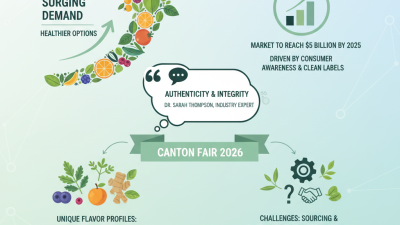
The global market for organic extracts is experiencing significant growth. According to a recent report by Research and Markets, the organic extracts market was valued at approximately USD 5 billion in 2022. It is projected to expand at a CAGR of 7.2% from 2023 to 2030. This growth is driven by increasing consumer preference for natural ingredients across various industries, including food, cosmetics, and pharmaceuticals.
In the food sector, particularly, the demand for organic flavorings is rising. Many consumers seek healthier options, steering away from synthetic additives. The market for organic herbal extracts alone is expected to reach USD 3 billion by 2027. The rising awareness of sustainability also plays a significant role, with consumers favoring products that have a minimal environmental impact. However, sourcing high-quality organic extracts can be challenging. The supply chain can be complex, often leading to inconsistencies in product availability.
Quality control remains a pressing issue. Not all suppliers adhere to stringent organic certification standards. This inconsistency can affect product integrity. Moreover, there is a continuous need for education regarding the benefits of organic extracts. Many potential buyers are still unfamiliar with the significant differences between organic and conventional extracts. Understanding these factors is crucial for businesses looking to tap into this expanding market.
Key Global Players in Organic Extracts Sourcing and Their Strategies
The landscape of organic extracts sourcing is dynamic and competitive. Key global players engage in diverse strategies that shape market trends. A report from Grand View Research highlights that the global organic extracts market is projected to reach $12.9 billion by 2025, driven by increasing consumer demand for natural products. Companies are focusing on sustainable farming practices and transparent supply chains to enhance credibility.
Many industry leaders invest in research and development. They seek innovative extraction methods that preserve the integrity of natural compounds. For instance, cold-pressed extraction is gaining traction due to its efficiency and lower environmental impact. A survey by MarketWatch indicates that nearly 70% of consumers prefer products made with organic extracts, intensifying the emphasis on quality sourcing.
However, sourcing challenges persist. Fluctuations in crop yields can affect availability and pricing. Moreover, compliance with organic certifications varies across regions. This complexity necessitates robust risk management strategies. Trust and reliability in sourcing remain paramount as businesses navigate global supply chains. Some companies are exploring partnerships with local farmers to mitigate risks and ensure a consistent supply.
Trends in Organic Extracts Demand: Growth Projections and Factors
The demand for organic extracts continues to rise globally, reflecting a significant shift in consumer preferences. According to recent market analysis, the organic extracts market is expected to grow at a compound annual growth rate (CAGR) of over 10% from 2023 to 2028. This growth is driven by increasing awareness of health benefits and a desire for natural products. Consumers are now more inclined to choose organic over synthetic alternatives.
Several factors contribute to this trend. Notably, the clean label movement has influenced many industries, from food and beverages to cosmetics. The transparency and traceability of organic ingredients are crucial. Recent studies show that 68% of consumers prefer products with clearly listed organic components. However, challenges remain. The cost of sourcing organic extracts can be significantly higher. This places pressure on manufacturers trying to balance quality and pricing.
Sustainability also plays a pivotal role in shaping the future of organic extracts. Brands focusing on ethical sourcing gain customer loyalty. However, not all companies have the means to implement sustainable practices across their supply chains. The gap between demand and supply can lead to uncertainties. As the market evolves, stakeholders must navigate these complexities to capitalize on growth opportunities.
Top Organic Extracts for Global Sourcing Needs - Trends in Organic Extracts Demand: Growth Projections and Factors
| Extract Type |
Market Value (2023) |
Projected Growth Rate (2023-2028) |
Key Regions |
Main Applications |
| Vanilla Extract |
$1.2 Billion |
5.2% |
North America, Europe |
Food and Beverage, Cosmetics |
| Cinnamon Extract |
$800 Million |
6.5% |
Asia, Europe |
Nutraceuticals, Food Processing |
| Ginger Extract |
$600 Million |
7.1% |
North America, Asia |
Health Supplements, Beverages |
| Peppermint Extract |
$400 Million |
4.8% |
Global |
Food and Beverage, Aromatherapy |
| Turmeric Extract |
$500 Million |
8.3% |
Asia, North America |
Pharmaceuticals, Food Industry |
Regulatory Standards Impacting the Organic Extracts Market
The organic extracts market is heavily influenced by regulatory standards worldwide.
These regulations ensure the purity and quality of ingredients used in food, cosmetics,
and pharmaceuticals. The International Organization for Standardization (ISO) has
established guidelines that impact sourcing decisions. For example, ISO 17025 outlines
specific criteria for testing labs, which affect the overall validation of organic extracts.
This regulatory landscape creates both challenges and opportunities for businesses.
Countries often have varying standards. The EU, for instance, has stringent measures to
control pesticide residues. According to a recent industry report, compliance with these
standards can increase production costs by up to 30%. Non-compliance may result in
significant penalties or product recalls. This calls for businesses to stay updated on
regulatory changes in target markets.
Understanding these complexities is essential for effective sourcing. Here are some
considerations:
- Stay informed about local regulations. Changes can impact product availability.
- Invest in reliable supply chains. Trustworthy suppliers can help ensure compliance.
- Regular audits of extract quality are crucial. Consistent quality checks can prevent costly issues.
Sustainable Sourcing Practices in the Organic Extracts Industry
Sustainable sourcing practices have become crucial in the organic extracts industry. With growing consumer awareness, companies face pressure to adopt eco-friendly measures. These practices not only benefit the environment but also enhance brand reputation. Responsible sourcing involves selecting suppliers who prioritize sustainable agriculture and ethical labor practices.
One effective strategy is to engage directly with farmers. This builds strong relationships that foster transparency. Understanding their challenges can guide sourcing decisions. Moreover, investing in local communities strengthens the supply chain and promotes sustainable growth. However, brands must be cautious; not all suppliers may uphold ethical standards. Regular evaluations and audits are necessary to ensure compliance.
Consider participating in certification programs. These can guide sourcing efforts and assure customers of organic integrity. It’s important to remember that what is labeled "organic" may not always meet rigorous standards. Transparency in sourcing can generate trust among customers. Ultimately, the journey toward sustainable sourcing involves continuous improvement and reflection. Regularly assessing practices helps identify strengths and areas for growth.
Top Organic Extracts for Global Sourcing Needs
 Blog
Blog