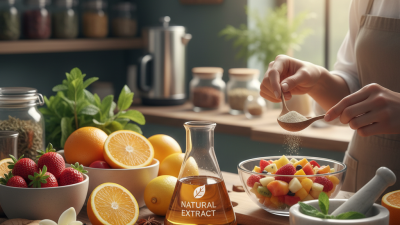
What Are the Top Organic Natural Flavors for Buyers in 2026?
In 2026, buyers comparing organic natural flavors will need to look beyond attractive labels. A vanilla extract can smell warm in the bottle yet fade in baked goods. Citrus notes may brighten sparkling water but turn sharp after processing. Performance depends on the product, the process, and the way consumers experience each sip or bite.
Food scientist Dr. Kantha Shelke’s perspective can be paraphrased this way: “A flavor must work in the finished food, not just sound appealing on a label.” That is a useful test, though not the only one. Buyers should also review ingredient documentation, organic certification scope, allergen information, traceability, and supplier consistency. Requirements can differ by market and product, so verify claims with the relevant certifier and technical team.
The strongest options may include organic vanilla, citrus, berry, botanical, and savory profiles, but no flavor wins everywhere. A delicate floral note might suit tea and disappear in a baked bar. That matters. Ask for samples in the actual formula, then test after processing and storage. Compare aroma, taste, dosage, stability, and cost per finished unit—not just the price per kilogram. Small details count.
This guide will examine what buyers should assess in leading flavor categories, how to compare suppliers, and where trade-offs can hide. “Natural” and “organic” do not automatically mean better tasting, more stable, or more sustainable. Those assumptions deserve scrutiny. A little skepticism helps.

What Organic Natural Flavors Mean in the 2026 Market
What Are the Top Organic Natural Flavors for Buyers in 2026?
What Organic Natural Flavors Mean in the 2026 Market
In 2026, “organic natural flavor” signals more than a clean-sounding ingredient. Natural describes flavor sources and processing; organic concerns how eligible agricultural ingredients are produced and certified. These terms are not interchangeable. Buyers should check the ingredient specification, organic certificate, and country-specific requirements. A bright citrus note or warm vanilla profile may sound simple, but its source and documentation matter just as much.
Demand offers useful context, though not a flavor-specific forecast. The Organic Trade Association’s 2024 Organic Industry Survey reported U.S. organic sales of $69.7 billion in 2023, up 3.4% from 2022. That figure covers the wider organic market, not flavor ingredients alone. It suggests sustained interest, but it cannot tell buyers which flavor will succeed in a particular product. Sensory trials still matter. A flavor can meet sourcing goals and taste flat after baking or storage.
Tips: Request current certificates, origin details, and allergen information. Test the flavor in the finished recipe, not just in water. Ask how its aroma holds up under heat, acidity, or long storage. One caveat: paperwork may be tidy while performance remains inconsistent. That deserves a second look.
How Buyers Can Evaluate Flavor Quality and Organic Certification
What Are the Top Organic Natural Flavors for Buyers in 2026?
Flavor quality and organic certification need separate checks. A certified ingredient can still taste flat in a finished product. Request a sample and test it in the actual recipe, not only in water. Compare aroma, sweetness, and aftertaste at the intended use level. For a citrus flavor, check whether the peel note stays fresh after baking or pasteurization. Small trials can reveal surprises.
Keep samples. Record the batch, dosage, and test conditions. Sensory judgments vary, and that is worth admitting. A result that works in one drink may seem harsh in another. Retest with more than one evaluator when possible, and ask the supplier about lot-to-lot consistency.
For certification, review the current certificate and confirm that it covers the ingredient and facility involved. Check the certifier, validity dates, and product scope; requirements can differ by market. Ask for traceability documents linking the sample to its organic inputs. A certificate alone does not prove that the flavor suits your recipe or label needs.
Paperwork matters. So does the actual taste.
Leading Organic Natural Flavor Categories for Common Applications
Citrus flavors are dependable choices for beverages, bakery fillings, and plant-based desserts. Organic lemon and orange notes can brighten sparkling water or soften the richness of a pastry. Buyers should check how the flavor performs after heating. A pleasant aroma in a sample cup may fade in a baked product. Small trials matter.
Berry flavors suit yogurts, fruit drinks, and confectionery, where a vivid top note can make a simple recipe feel fresher. Vanilla works differently. Its rounded, warm profile supports chocolate, dairy alternatives, and baked goods without dominating them. Botanical flavors, such as mint, ginger, and rosemary, fit teas, syrups, and lighter snacks. Use a light hand. Some botanicals turn medicinal when overdosed, and that threshold varies with acidity and sweetness.
Savory categories include garlic, onion, smoke-style, and herb profiles for sauces, crackers, and meat-free foods. These flavors need testing in the finished recipe, not just in water. Salt, fat, and heat can change their balance. Ask suppliers for organic documentation, ingredient details, and guidance on dosage and processing stability. “Natural” and “organic” describe different things; the exact claim depends on the ingredient and certification. There is no universal best category. A citrus flavor may lift one drink, yet seem thin in another.
Leading Organic Natural Flavor Categories for Common Applications
Indicative application-fit scores (1–5) reflect typical flavor-use suitability, not market share or buyer survey results. Actual performance depends on the product formulation, processing conditions, and applicable organic standards.
How Processing Methods Affect Flavor Profile and Product Performance
For buyers comparing organic natural flavors in 2026, processing deserves as much attention as the ingredient list.
Cold-pressed citrus oils often retain bright peel notes, but heat and oxygen can gradually dull them. Steam distillation produces a cleaner, lighter profile that may suit beverages, though it can lose delicate top notes. Neither method is automatically better. The right choice depends on the finished product.
That matters. In a baked filling, a robust extract may survive oven heat better than a delicate aromatic fraction. In a chilled drink, the same extract could taste too heavy.
Drying and concentration also change flavor: water removal can intensify some notes while exposing bitterness or earthy edges. Ask suppliers for application-specific samples, not just a tasting vial. Test them in the actual recipe, at the intended processing temperature.
Carrier ingredients and flavor solubility affect performance, too. An oil-based flavor may separate in a water-based drink without suitable formulation, while a water-compatible preparation may behave differently in fat-rich foods.
Request technical data, organic documentation, and batch-to-batch specifications. Sensory descriptions help, but they are not a substitute for trials. I have seen a promising bench sample disappoint after storage; shelf-life testing can be tedious, yet skipping it leaves a real blind spot.
How to Compare Suppliers, Traceability, and Regulatory Compliance
Buyers comparing organic natural flavors in 2026 should look beyond aroma and price. “Organic” and “natural” describe different attributes, and neither term alone explains how a flavor was made. Ask suppliers for current organic certificates, ingredient specifications, and a clear description of processing methods. Check that the certificate covers the relevant product and facility, not merely a related ingredient.
Traceability should work at lot level. A reliable supplier can connect a delivered batch to its source materials, processing records, and relevant test results. Request sample records for a specific lot, such as a citrus flavor, and see whether the dates and batch codes align. Small inconsistencies matter. They may be clerical, but buyers should resolve them before approval. A certificate of analysis and an organic certificate serve different purposes; request both when applicable.
Regulatory checks depend on the markets where the flavor will be sold. Ask suppliers to provide ingredient statements, allergen information, and documentation supporting applicable organic and labeling claims. Confirm how they notify customers about changes to sources, carriers, or processing sites. Compare response times, document control, and audit readiness—not just the initial sales packet. No supplier file is perfect, and paperwork cannot replace review. Still, clear records make gaps easier to spot and follow up.
 Blog
Blog