How to Use Flavor Essence to Enhance Your Recipes?
In the culinary world, the magic of flavor essence can transform ordinary recipes into extraordinary dishes. Chef Anna Thompson, a renowned expert in flavor innovations, emphasizes this potential. She says, "A drop of flavor essence can elevate the simplest meal." This highlights its power in bringing a burst of taste to your cooking repertoire.
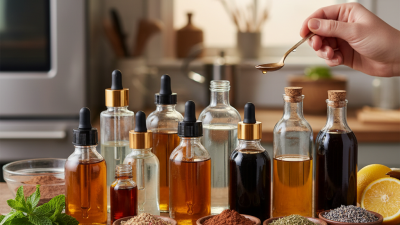
Flavor essence is a concentrated extract that captures the essence of various ingredients. It allows you to infuse your dishes with intense flavors, whether it’s vanilla for desserts or basil for savory meals. Much of contemporary cooking explores these flavors, yet many still hesitate to use them. This hesitation often stems from misconceptions about their use and impact in recipes.
Experimenting with flavor essence requires a bit of courage. You may overuse it or misinterpret its strength. However, that’s part of the learning process. Finding the right balance takes time and practice. As you incorporate flavor essence into your cooking, willing to learn from mistakes is crucial. Embrace the journey and let your culinary creativity shine through.
Understanding Flavor Essence: Definition and Types
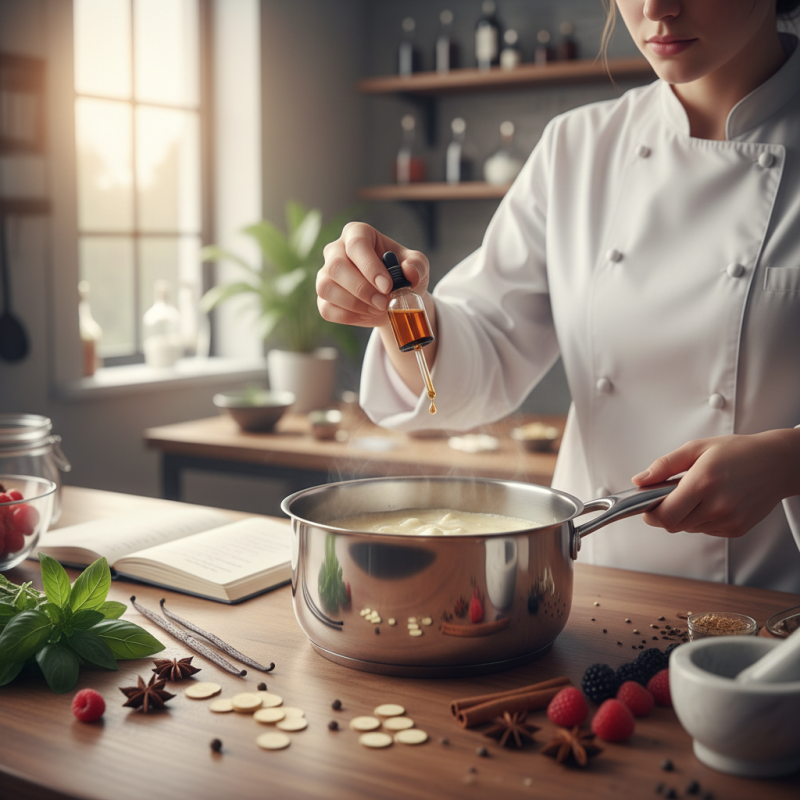
Flavor essence is a concentrated form of flavoring derived from natural or synthetic sources. These essences capture the essence of fruits, spices, and herbs, helping to enhance recipes with powerful tastes. There are two main types of flavor essences: natural and artificial. Natural essences come from real food sources, while artificial ones are chemically synthesized. According to a recent report, the global flavoring agents market is expected to reach $23 billion by 2026, reflecting a growing interest in flavored foods.
Tips: When using flavor essences, start with a small amount. They can be extremely potent. For instance, adding just a few drops of vanilla essence can elevate baked goods significantly. It's essential to taste as you go, adjusting until you achieve the desired flavor balance.
Being aware of the potential for overuse is crucial. Some flavors can clash unexpectedly, leading to dishes that are too sweet or sour. Experimenting is part of the process. Reflect on how much essence each dish needs. Different cooking methods and ingredients can also alter flavor perception. A little research can go a long way.
How to Use Flavor Essence to Enhance Your Recipes?
| Flavor Essence |
Type |
Common Uses |
Flavor Profile |
| Vanilla |
Sweet |
Baking, Ice Cream, Beverages |
Rich, Creamy, Sweet |
| Almond |
Nutty |
Baking, Confections, Sauces |
Sweet, Nutty, Warm |
| Peppermint |
Minty |
Baking, Candy, Tea |
Cool, Fresh, Invigorating |
| Coconut |
Tropical |
Baking, Smoothies, Sauces |
Sweet, Creamy, Tropical |
| Hazelnut |
Nutty |
Beverages, Desserts, Spreads |
Rich, Earthy, Nutty |
| Coffee |
Bold |
Baking, Ice Cream, Beverages |
Deep, Roasted, Bitter-Sweet |
Selecting the Right Flavor Essence for Your Recipe
When selecting the right flavor essence for your recipe, consider the main ingredients. A robust dish may benefit from bold flavors, like vanilla or almond. For lighter recipes, citrus essences work well, enhancing freshness. Think about the balance of flavors you want to achieve.
Tips: Start with a small amount of essence. You can always add more. Mix it in well to see how it melds with other flavors. Remember, some essences are stronger than others. Experiment gently.
Don’t forget about the season. Seasonal ingredients often pair better with certain essences. A peach in summer might spark ideas for a floral essence. Conversely, warming spices can add depth in winter dishes. Be mindful of these dynamics; they can greatly influence your dish’s overall feel.
Incorporating Flavor Essence into Different Courses
Incorporating flavor essence into various courses can elevate your culinary creations. These concentrated flavors can enhance dishes without overpowering them. For savory courses, try adding a few drops of roasted garlic essence to your pasta sauce. It adds depth and richness that can transform an ordinary dish. According to the Flavor and Extract Manufacturers Association, the use of flavorings has increased in recent years, indicating a growing trend among chefs.
When it comes to desserts, flavor essence can bring a new dimension. For example, a hint of almond essence can enhance a vanilla cake, making it uniquely delicious. This subtle addition can also stimulate customer preferences, as a report from Food Industry Professionals stated that 72% of consumers seek innovative flavors. Balancing flavors is essential; too much essence might overwhelm the palate.
Tip: Start with a small amount and taste as you go. This way, you can adjust and avoid overpowering the dish.
For beverages, consider using citrus flavor essence in cocktails or mocktails. It can give a refreshing twist without the need for fresh ingredients. Interestingly, some chefs report that flavor essences can lead to experimentation and, sometimes, unexpected results. Mistakes are part of the learning process. Embrace them to refine your recipes.
Tip: Keep a flavor journal to track your combinations and improvements. This reflects your evolving culinary journey.
Adjusting Measurements for Optimal Flavor Balance
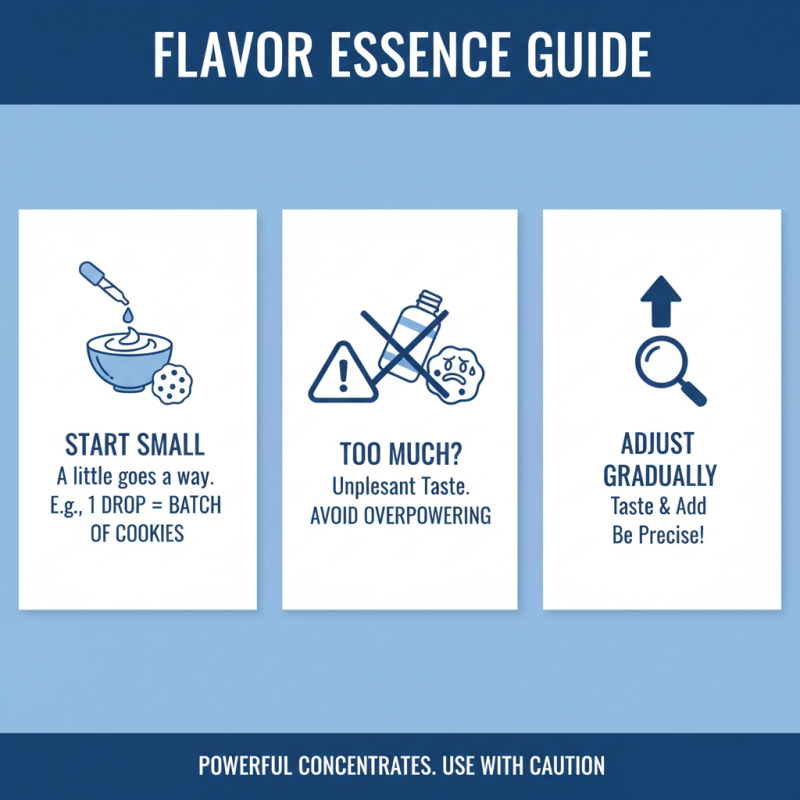
Adjusting measurements when using flavor essences is crucial. Flavor essences can pack a powerful punch. A little can go a long way. Start small to avoid overpowering your dish. For instance, one drop of vanilla essence can transform a batch of cookies. Yet, too much can create an unpleasant taste.
Experimentation is key. Try measuring by drops or pinches. It may feel imprecise, but it adds a personal touch. Sometimes, you may need to reflect on the balance of flavors. If your dish feels flat, add a hint more. Be cautious; overdoing it can ruin your efforts. Adjusting gradually helps you achieve the desired flavor profile.
Consider the type of recipe too. Baking often requires precise measurements. For sauces or marinades, you have more flexibility. Don’t hesitate to taste as you go. If you feel uncertain, step away and reconsider. This pause can provide clarity. Ultimately, achieving balance is a learning process. Each dish offers a chance to refine your techniques.
Creative Ways to Use Flavor Essence Beyond Cooking
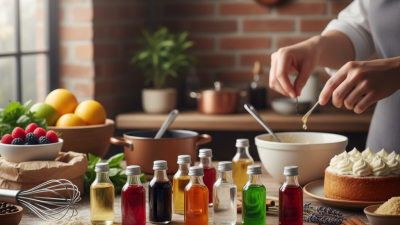
Flavor essence can elevate your culinary creations in unexpected ways. Beyond the kitchen, consider its uses in baking. A few drops of almond or vanilla essence can transform a simple cake into a delightful treat. Try adding a hint of citrus flavor to your cookie dough for a refreshing twist. Experimenting here can lead to both successes and not-so-great outcomes. Sometimes, the flavor can overpower a recipe, which requires adjustment.
Drinks are another area where flavor essence shines. Mix a few drops into your morning smoothie. A touch of mint can invigorate your beverage. Adding spices like cinnamon can create a cozy feel. However, balance is key. Too much can make your drink unappealing. You might accidentally create a concoction that’s hard to finish. Testing varies flavors can be fun, leading to surprising discoveries or flops. Don't be afraid to learn from those less-than-perfect attempts.
 Blog
Blog