Why Is Leaf Extraction Important for Buyers?
For buyers, Leaf Extraction is more than a processing step. It shapes the ingredient’s identity, consistency, and suitability for a finished product. A leaf’s color, aroma, and active-compound profile can vary with growing conditions, harvest timing, and storage. Extraction choices influence what is retained and what may be lost. Small differences matter.
A reliable supplier should explain the plant source, extraction method, quality controls, and batch documentation in clear terms. Buyers can review specifications, certificates of analysis, and testing for relevant contaminants. They should also ask whether results represent the current batch, not just a previous sample. Details count.
Price alone tells little. A low-cost extract may have a different concentration, carrier, or level of standardization than expected. Compare products using defined measures, such as marker-compound ranges, moisture limits, and testing methods. Then confirm those details match the intended use and applicable quality requirements. Ask direct questions.
Still, extraction is not a magic fix. It cannot make inconsistent raw leaves uniform without careful sourcing and process control. Buyers should request representative samples and assess their own formulation needs before committing to large orders. One point deserves reflection: the most concentrated option is not automatically the best choice. A transparent supplier, consistent batches, and verifiable records usually offer a stronger basis for purchasing decisions.
What Leaf Extraction Means in Botanical Product Sourcing
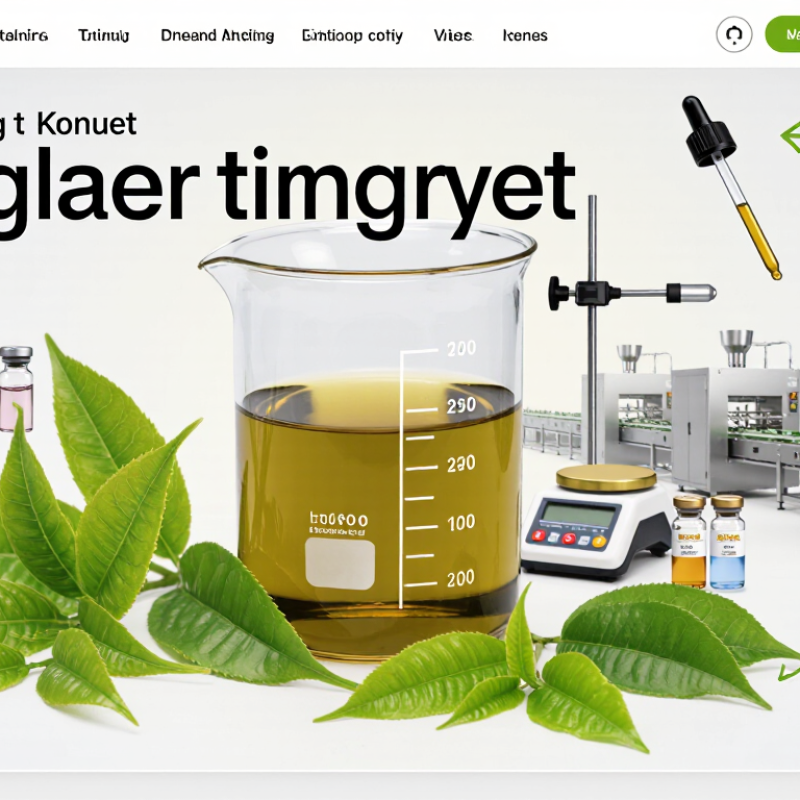
Leaf extraction means using leaves as the chosen plant material, then separating selected compounds through controlled processing. For buyers, that choice shapes the specification: plant species, leaf maturity, harvest timing, drying conditions, and extraction solvent can all affect composition. A green powder is not proof of a consistent extract. Ask suppliers for botanical identity tests, batch records, and analytical results tied to the delivered lot. WHO’s Guidelines on Good Agricultural and Collection Practices for Medicinal Plants describe controls from cultivation and collection through handling. Those details help buyers assess how the raw leaves were obtained and processed.
The sourcing decision also reflects real demand, but broad figures need careful reading. WHO’s 2019 Global Report on Traditional and Complementary Medicine says 170 of its Member States reported use of these practices. That figure is not a measure of leaf-extract sales or quality. It does show why dependable plant-material controls matter across supply chains. Request evidence of contaminant testing, moisture limits, and traceability to the growing or collection area. Check whether the reported extract ratio and test method are clear. Small gaps matter. A certificate may look complete while leaving the harvest date unclear; buyers should flag that uncertainty rather than assume the paperwork tells the whole story.
How Extraction Methods Influence Ingredient Quality
Extraction is not just a way to obtain leaf compounds; it can shape the final ingredient. Water-based methods may favor water-soluble constituents, while water-alcohol mixtures can extract a broader range. Temperature, extraction time, leaf particle size, and solvent ratio also affect the profile. Excessive heat may damage sensitive compounds, while a short extraction may leave some behind. Small details matter.
For buyers, the method should be clear and supported by batch records and test results. Ask whether the ingredient is standardized, and which compounds are measured. A certificate of analysis can help confirm identity, strength, and checks for contaminants, but it should match the specific batch. Not always. A high extraction yield does not automatically mean a better ingredient; it may simply reflect more material being pulled from the leaf. Compare methods against the intended use, not just a headline percentage. Even careful processes involve trade-offs, and plant material varies by harvest. That part can be messy. Suppliers should explain how they manage variation and what their tests can—and cannot—show.
Why Is Leaf Extraction Important for Buyers?
How Extraction Methods Influence Ingredient Quality
How to read this: Solvent polarity influences which leaf compounds dissolve and therefore helps shape an extract’s ingredient profile. Higher polarity does not automatically mean higher quality; the right method depends on the target compounds, intended use, and appropriate solvent controls. Dielectric constants are approximate values at 25 °C.
Which Purity and Safety Standards Buyers Should Check
Leaf extraction can concentrate useful plant compounds, but it may also concentrate unwanted residues. Buyers should check the plant species, plant part, and batch identity. A certificate of analysis (COA) should match the lot being purchased. Check its date, test methods, and laboratory credentials—not just a “passed” stamp.
Purity is not a single number. An assay may show the level of a target compound, but it does not prove the extract is safe. Look for relevant results on heavy metals, pesticide residues, microbial contamination, and residual solvents when applicable. Reports should include test limits and measured values, with units. If a result says “not detected,” ask what detection limit the lab used.
Paperwork can still miss things. Ask how samples were collected and whether testing covers each production batch or only occasional samples. Extraction methods matter, too: they help determine which solvent tests are relevant. Compare specifications with the intended use and applicable quality requirements, since standards can differ. A tidy report helps, but it cannot replace clear traceability from raw plant material to finished extract.
Why Traceability and Supply Consistency Matter
Buyers need more than a product name when evaluating a leaf extract. Traceability connects each batch to its source, harvest period, drying conditions, and extraction record. These details help teams investigate changes in color, aroma, or measured composition. A supplier should be able to link batch documents to the material actually delivered, not just provide a polished general specification. Details matter.
Useful records may include lot numbers, processing dates, test methods, and results from qualified laboratories. Buyers can compare these records across shipments and ask how differences are assessed. A certificate alone is not the whole story; methods and sampling practices affect what its numbers mean. Keep samples. Retained samples can help resolve a disagreement when two deliveries look or test differently.
Supply consistency matters because natural leaves vary with weather, soil, maturity, and post-harvest handling. Reliable suppliers explain how they monitor that variation and what happens when a batch falls outside agreed limits. A steady specification is useful, but it should not hide meaningful changes in sourcing or processing. In practice, paperwork can be incomplete, and buyers may overlook small gaps when schedules are tight. That is worth questioning. Clear communication, realistic tolerances, and repeatable checks give purchasing teams a stronger basis for deciding whether future lots are suitable.
How Intended Use and Cost Shape Purchasing Decisions
For buyers, the right leaf extract depends on its intended use, not just its label. A tea blend may call for a mild flavor and good solubility. A topical formula may need a consistent color, odor, and active-compound profile. These details affect which plant part, extraction method, and concentration make sense. Ask suppliers for a specification sheet, including the botanical name, plant part, extraction solvent, and batch test results. Small details matter.
Cost needs context. A low price per kilogram can hide a dilute extract, variable batches, or extra processing needs. Compare the cost per usable amount, then factor in testing, storage, and how much material your formula requires. Request a small sample and check how it performs in the actual product. That takes time, but it can prevent a costly mismatch. Not every buyer needs the most concentrated option. Sometimes a simpler extract is easier to source and handle. I would still leave room for uncertainty: paperwork can look complete, yet a trial batch may behave differently. Clear acceptance criteria and a conversation about consistency help buyers make a sounder choice.
 Blog