2026 Best Types of All Natural Flavors for Global Buyers?
For global buyers, choosing the best all natural flavors in 2026 requires more than following a popular taste trend. It requires evidence, traceability, and consistent performance in real products. Grand View Research reported continued growth in the global natural food flavors market, supported by demand for clean-label beverages, snacks, dairy products, and plant-based foods. However, market forecasts differ because researchers use different definitions, regions, and product categories. No ranking is perfect.
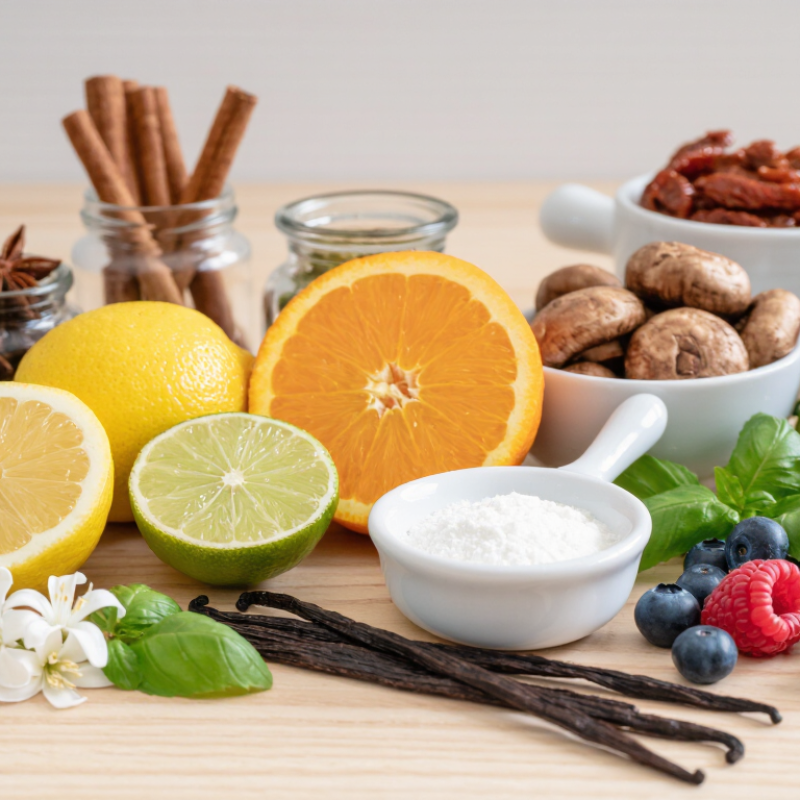
Citrus, vanilla, berry, botanical, spice, and savory profiles remain practical options for international sourcing. Innova Market Insights has repeatedly identified authenticity, naturality, and recognizable ingredients as influential food and beverage trends. A lemon flavor should suggest fresh peel, not only sharp acidity. Vanilla should perform in a dairy drink, baked product, or protein formulation without disappearing after processing. These details matter. They affect consumer acceptance, reformulation costs, and repeat orders.
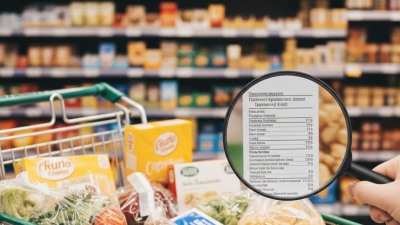
Reliable suppliers should provide documented botanical sources, extraction methods, allergen statements, specifications, stability data, and batch-level traceability. Buyers must also verify labeling requirements in each destination market. The U.S. Food and Drug Administration defines natural flavor under 21 CFR 501.22, while European rules apply different terminology and documentation expectations. “Natural” is not automatically interchangeable worldwide. That point is often underestimated.
This guide compares flavor types by sensory appeal, formulation suitability, supply reliability, and regulatory readiness. It also considers price volatility, crop conditions, and minimum order requirements. A technically excellent flavor may still fail if its aroma changes during storage. Honest evaluation includes that risk. The best choice is not always the most fashionable one. It is the flavor that remains credible, compliant, and consistent from supplier sample to finished product.
What Are All-Natural Flavors and Why Do Global Buyers Choose Them?
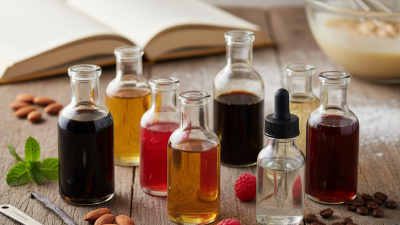
All-natural flavors are taste ingredients obtained from natural sources such as fruits, herbs, spices, vegetables, or fermentation. Their purpose is to add or restore flavor in foods and beverages. A citrus flavor may come from carefully processed peel oil, while a vanilla note can come from natural vanilla beans. Global buyers choose these ingredients because consumers increasingly read labels and question artificial-sounding components. Clean-label expectations are no longer limited to one market.
In practical sourcing, buyers examine origin, extraction method, allergen information, stability, and documentation. A flavor that performs well in a cool drink may fade in a baked product. Heat matters. Acidity matters too. Experienced buyers request samples, technical data, and batch consistency records before approving a supplier. They also check whether the ingredient meets the rules of the destination market, since “natural” can have different legal meanings across regions. That detail is often underestimated.
Natural flavors can support a simpler product story, but they are not automatically healthier. Some require careful dosage, protective packaging, or blending with other natural ingredients. Costs may also rise when harvests change or supply becomes limited. This is where honest evaluation matters. A bright berry aroma in a laboratory sample may perform differently after six months on a warehouse shelf. Small-scale trials and sensory testing remain essential for reliable decisions in 2026.
How Are Natural Flavor Sources Classified and Produced?
Natural flavors are commonly classified by their original source and production method. Plant-based sources include fruits, herbs, spices, seeds, roots, and flowers. Animal-derived sources may include dairy or other permitted materials. Fermentation can produce flavor compounds through carefully controlled microbial processes. Some markets also recognize naturally occurring mineral sources. Definitions differ across jurisdictions, so global buyers should verify local requirements before approval.
Production begins with selecting traceable raw materials.
Producers may use pressing, steam distillation, solvent extraction, or carbon dioxide extraction. Citrus oils can come from pressed peels, while vanilla notes may come from extracted beans or fermentation-derived compounds. Enzymatic treatment can release flavor molecules from fruit or vegetable materials. Each method affects strength, color, stability, and cost. Small process changes matter.
The boundary is not always tidy.
A natural source does not automatically guarantee premium quality or complete compliance. Buyers should review specifications, allergen statements, certificates of analysis, origin records, and batch consistency. Sensory testing also remains essential. A sample may smell excellent but perform poorly in a baked product. I have seen this gap overlooked. Regional labeling rules, religious requirements, and supply risks deserve early attention. Reliable suppliers explain both the source and the processing steps, rather than hiding behind the word “natural.”
What Quality, Safety, and Regulatory Standards Should Buyers Check?
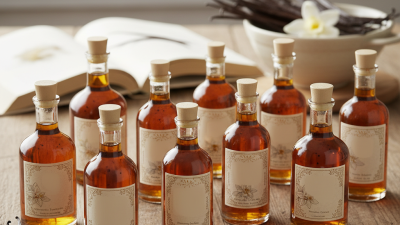
When global buyers assess all natural flavors in 2026, quality begins with identity. Ask for the botanical source, extraction method, country of origin, and production date. “Natural” does not mean identical across markets. Definitions can vary by jurisdiction. Request a current specification sheet and certificate of analysis for every batch. Check flavor strength, appearance, odor, solubility, and shelf life. Small sensory differences may affect a finished beverage or snack.
Safety evidence should be practical and traceable. Review allergen declarations, microbiological limits, heavy metal results, pesticide screening, and solvent residue data. The supplier should explain its testing methods and laboratory qualifications. Lot codes must connect raw materials, processing records, and shipment documents. Inspectors may also expect GMP, HACCP, or a recognized food safety management system. Do not accept certificates without checking their scope and expiry date. That shortcut can create expensive delays.
Regulatory review must match the destination market. Confirm permitted use levels, labeling language, natural flavor definitions, and import documentation with a qualified local specialist. Ask whether the flavor contains carriers, preservatives, genetically modified materials, or animal-derived processing aids. These details are often overlooked. They should not be. A supplier’s audit history, complaint response time, and recall procedure reveal more than polished sales language. No checklist is perfect. Buyers should document assumptions, challenge unclear claims, and retest critical batches before commercial release.
How Can Global Buyers Select Reliable Natural Flavor Suppliers?
2026 Best Types of All Natural Flavors for Global Buyers?
How Can Global Buyers Select Reliable Natural Flavor Suppliers?
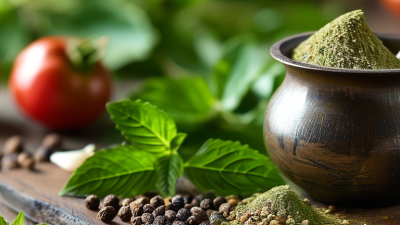
Natural citrus, fruit, botanical, spice, and savory flavors remain practical choices for global food and beverage projects. Yet flavor type alone does not prove supplier reliability. Experienced buyers examine source records, processing methods, stability data, and regional compliance before placing large orders. A bright lemon flavor may perform well in a beverage but fade quickly in acidic storage. Small details matter.
Tips: Request a recent certificate of analysis, allergen statement, specification sheet, and sample batch. Check whether the supplier can provide traceability from raw material to finished flavor. Ask for pilot quantities before agreeing to annual volumes. Compare samples in the actual product, not only on paper. Confirm lead times, packaging conditions, minimum order quantities, and technical support. Clear answers usually reveal stronger quality systems.
Reliable suppliers should explain natural flavor definitions for each destination market. Documentation must match the shipment, including lot numbers and shelf-life information. Independent testing can help verify identity, microbiological safety, and unwanted residues when risk justifies the cost. Do not rely on polished brochures. During sourcing reviews, buyers sometimes focus heavily on price and overlook seasonal variation in fruit or herbs. That can create inconsistent color, aroma, or taste. A supplier may appear capable, yet weak communication during one trial deserves careful reflection before expansion.
 Blog
Blog