Global buyers need more than attractive labels when selecting natural flavor extracts. They need clear origin records, stable specifications, and suppliers who understand industrial realities. A vanilla extract may smell warm in a sample room, yet perform differently in bakery dough or a beverage base. Experienced sourcing teams test both aroma and application performance. They also review carrier ingredients, allergen statements, shelf life, and batch consistency before approving a supplier.
The strongest suppliers usually combine agricultural knowledge with disciplined quality systems. They can explain where botanical materials are grown, how they are processed, and how flavor strength is measured. Reliable documentation matters. Certificates of analysis, traceability records, and transparent microbiological testing help buyers manage risk across borders. However, paperwork alone does not prove performance. A supplier should provide representative samples, technical guidance, and realistic lead-time information. Small details, such as drum liners, storage temperatures, and shipping seals, can affect the final result.
This guide examines leading natural flavor extracts suppliers for global buyers, focusing on quality, customization, communication, and supply resilience. It does not assume the largest company is always the best choice. Smaller producers may offer closer technical support, but their capacity can be limited. That trade-off deserves honest review. Buyers should compare suppliers against product goals, regional requirements, budget, and expected volume. A careful decision begins with evidence, not impressive claims.

Natural flavor extracts are concentrated aromatic ingredients made from sources such as fruits, herbs, spices, flowers, and other edible plants. They capture recognizable notes, including bright citrus peel, warm vanilla, or freshly crushed mint. Unlike synthetic flavoring, their raw materials and processing methods usually come from natural sources. However, “natural” does not mean identical across every market. Definitions vary by country and product category. That detail matters.
Global buyers need these extracts to create consistent taste while meeting clean-label expectations. A small amount can add depth to beverages, bakery products, sauces, dairy items, and confectionery. For example, a citrus extract may provide a sharper aroma than juice alone. Extracts also reduce dependence on seasonal fresh ingredients. Yet supply decisions are not simple. Taste can shift. Harvest conditions, storage temperature, and extraction methods can change the final profile.
Reliable suppliers should provide batch-specific certificates of analysis, ingredient specifications, allergen statements, and traceability records. Buyers should ask about the plant source, carrier ingredients, extraction solvent, shelf life, and recommended storage conditions. Documentation must match the destination market’s requirements. A practical trial should compare aroma, flavor strength, color, stability, and performance after processing. Do not judge by smell alone. One overlooked issue is compatibility with heat, acidity, or emulsions. I would also question any supplier that promises identical results without explaining batch controls. A clean label is not enough. Consistent evidence matters more.
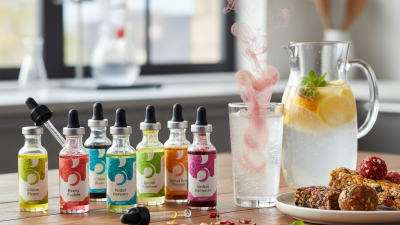
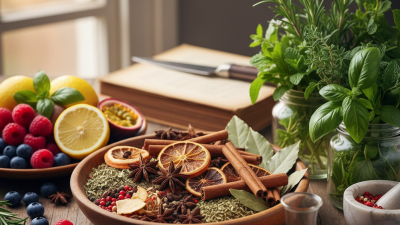
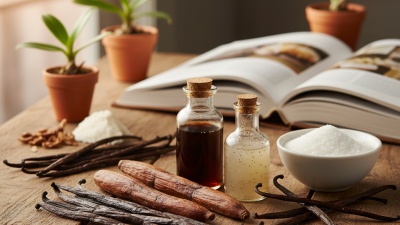
Citrus, vanilla, fruit, herb, spice, and savory extracts dominate international flavor supply. Citrus oils and extracts remain popular because they brighten beverages, confectionery, sauces, and dairy products. Vanilla is widely requested for bakery, desserts, and plant-based formulations. Fruit extracts, including berry, apple, and tropical profiles, support clean-label product development.
Grand View Research estimated the global natural food flavors market at approximately USD 6.4 billion in 2023. Its report also projects steady growth through 2030, supported by demand for recognizable ingredients. MarketsandMarkets has similarly identified fruit, citrus, and vanilla as major natural flavor categories. These figures describe different market boundaries, so they should not be compared as exact equivalents. That distinction matters.
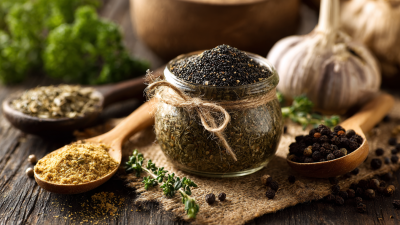
Herb and spice extracts, such as mint, ginger, rosemary, and pepper, are commonly supplied for beverages, snacks, meat alternatives, and sauces. Savory extracts often require stronger technical control because salt, fat, acidity, and heat can change their performance. Experienced buyers check solvent details, carrier materials, allergen statements, origin records, and batch consistency before approval. Water-soluble extracts suit clear drinks, while oil-soluble versions perform better in fats and emulsions. Some extracts look impressive in a sample cup but fade during processing. That happens. Suppliers should therefore provide stability data, sensory comparisons, and realistic dosage guidance, rather than relying only on attractive descriptions.
Evaluating natural flavor extract suppliers requires more than comparing price per kilogram. Start with documented identity, source, and processing details. Ask for botanical names, harvest regions, extraction methods, carrier materials, and allergen statements. A clear certificate of analysis should cover purity, microbiological limits, heavy metals, pesticides, and batch number. The World Health Organization estimates that contaminated food causes 600 million illnesses annually, so weak verification creates serious commercial risk.
Check the supplier’s food-safety system against recognized frameworks, such as ISO 22000 or GFSI-benchmarked certification. Request recent audit summaries, recall procedures, and traceability test results. The 2024 World of Organic Agriculture report recorded about 4.5 million organic producers worldwide. That figure shows how complex origin verification can become. Organic status does not automatically prove flavor quality, consistency, or regulatory acceptance.
Run samples through a controlled sensory test. Compare aroma strength, color, solubility, stability, and performance after heat treatment. Then request three production batches, not one perfect sample. Supplier transparency matters when specifications change. I would also question unusually low prices. They may reflect dilution, unstable sourcing, or missing testing, though price alone proves nothing. A polished document can still hide practical weaknesses. Keep a written scorecard, but review it after pilot production. Supplier evaluation is partly technical, and partly a test of whether your assumptions survive contact with real batches.
For global buyers, certification is only the starting point. Check valid ISO 22000 or FSSC 22000 certification, plus a documented HACCP plan. These systems should cover extraction, storage, transport, and corrective actions. The certificate must match the actual production site and product category. A certificate from another facility proves little.
Request a batch-specific certificate of analysis, not a generic template. It should show botanical identity, solvent residues, microbial limits, heavy metals, pesticides, allergens, and sensory results. Ask how the supplier verifies authenticity and prevents substitution. Codex guidance and JECFA evaluations can support safety decisions, while destination rules may require organic, Halal, Kosher, or other approvals. The World Health Organization estimates that 600 million people suffer foodborne illness annually, with 420,000 deaths. This figure comes from WHO’s Estimates of the Global Burden of Foodborne Diseases report. Traceability is not optional. It protects people and purchasing decisions.
Tips: Review the latest third-party audit, test methods, and laboratory accreditation. Check whether laboratories follow ISO/IEC 17025. Request recall records and retained samples from recent lots. Compare specifications with actual results. Paperwork can look perfect. It can still hide weak sampling. Buyers should also verify harvest regions, carrier ingredients, shelf-life evidence, and change-control notices. One practical weakness is relying on certification logos without interviewing the quality manager. Ask difficult questions, then record the answers.
Comparing natural flavor extract suppliers requires more than reading the price per kilogram. Ask for a detailed quotation showing extract strength, carrier materials, packaging, testing, and shipping terms. A cheaper offer may use a lower concentration or exclude export costs. Small details matter. Request recent certificates of analysis, allergen statements, origin records, and shelf-life data. These documents help buyers check quality before signing a large contract.
Production capacity should match your forecast, not merely your first order. Ask about monthly output, minimum order quantities, reserve capacity, and typical lead times during harvest seasons. A supplier may produce excellent samples but struggle with a sudden ten-ton requirement. Request batch samples from different production periods when possible. This reveals whether color, aroma, and potency remain stable. I have seen buyers focus on annual capacity and overlook filling equipment or ingredient availability. That mistake deserves more attention.
Export service can determine whether a shipment arrives smoothly. Compare experience with customs documents, export packing, insurance, and agreed Incoterms. Confirm whether the supplier can provide commercial invoices, packing lists, certificates of origin, and destination-market compliance documents. Check communication speed, response ownership, and procedures for handling damaged or delayed cargo. Ask for references from comparable international shipments, without relying only on polished sales presentations. Pricing still matters, but predictable delivery and transparent records often protect the budget better than a marginal discount.
| Supplier Profile | Typical Supply Region | Main Natural Extract Categories | Indicative Annual Capacity | Typical MOQ | Typical Lead Time | Price Position | Common Certifications | Export Services | Best Fit for Buyers |
|---|---|---|---|---|---|---|---|---|---|
| Profile A: Large Integrated Processor | North America and Western Europe | Citrus, vanilla, cocoa, coffee, spice, and fruit extracts | 5,000–20,000 metric tons | 100–500 kg | 4–10 weeks | Medium to high | FSSC 22000 or BRCGS, HACCP, Halal, Kosher, organic options | Global documentation support, export labeling, allergen statements, COA, SDS, and regulatory dossiers | Multinational food, beverage, dairy, and flavor manufacturers requiring continuity of supply |
| Profile B: Regional Botanical Extract Specialist | South Asia and Southeast Asia | Ginger, turmeric, tea, cardamom, pepper, lemongrass, and tropical botanicals | 500–5,000 metric tons | 25–200 kg | 3–8 weeks | Low to medium | HACCP, ISO 22000, Halal, Kosher, organic and social-compliance options | Bulk export packing, phytosanitary coordination where applicable, certificate of origin, COA, and pre-shipment samples | Buyers seeking competitive botanical pricing, regional sourcing, and flexible batch sizes |
| Profile C: Citrus and Fruit Extract Producer | Mediterranean region and Latin America | Orange, lemon, lime, grapefruit, berry, mango, and passion fruit extracts | 2,000–15,000 metric tons | 100–1,000 kg | 4–12 weeks | Medium | FSSC 22000, BRCGS, HACCP, Halal, Kosher, organic options | Temperature-controlled logistics, bulk drums or totes, export customs support, traceability, and pesticide-residue documentation | Soft-drink, juice, confectionery, and dairy producers requiring consistent fruit profiles |
| Profile D: Vanilla and High-Value Spice Specialist | East Africa, Indian Ocean region, and Southeast Asia | Vanilla, cinnamon, clove, nutmeg, saffron, and concentrated spice extracts | 100–2,000 metric tons | 10–100 kg | 6–16 weeks | High and commodity-sensitive | HACCP, ISO 22000, Halal, Kosher, organic, traceability, and ethical-sourcing programs | Origin traceability, harvest documentation, moisture and vanillin testing, export packing, and supply-allocation planning | Premium food, beverage, bakery, ice cream, and nutraceutical applications |
| Profile E: Custom Extraction and Private-Label Partner | East Asia and Central Europe | Customized fruit, herb, tea, spice, and functional botanical extracts | 200–3,000 metric tons | 25–250 kg | 6–14 weeks | Medium to high | ISO 22000 or FSSC 22000, HACCP, Halal, Kosher, GMP, organic options | Pilot trials, formulation support, custom concentration, small-batch production, multilingual documentation, and export coordination | Start-ups, private-label projects, seasonal products, and buyers needing rapid customization |
| Profile F: Certified Organic and Clean-Label Supplier | Europe, North America, and certified farming regions | Organic fruit, herb, tea, spice, and alcohol-free natural extracts | 300–4,000 metric tons | 50–500 kg | 5–12 weeks | Medium to high | Organic certification, HACCP, FSSC 22000 or BRCGS, Halal, Kosher, Non-GMO options | Organic transaction certificates, ingredient statements, allergen declarations, sustainability documentation, and international labeling support | Clean-label, organic, vegan, natural, and premium consumer-product brands |
(Your form has been submitted.)
We'll be in touch soon! Until then, take a look around — you never know what you'll find!