China has become an important source of natural flavors ingredients for beverages, bakery products, confectionery, dairy, and savory foods. Its diverse climate supports citrus, tea, ginger, osmanthus, jasmine, and botanical extracts. Each ingredient offers a different sensory character, production profile, and application value. Some deliver bright top notes. Others create warmth, depth, or a lingering finish.
Quality is contextual. The best choice depends on the product matrix, dosage, processing temperature, and target consumer. A delicate jasmine note may disappear during baking, while ginger can remain distinctive in acidic drinks. Citrus oils may provide freshness, but oxidation can affect their aroma and shelf life. These details matter. Experienced buyers should review the botanical source, extraction method, solvent information, allergen statement, microbiological results, and certificate of analysis. Traceability is equally important, especially when several farms or processing sites supply the same material. Suppliers should also demonstrate consistent batch control and compliance with applicable food safety requirements in the destination market.
This guide examines practical options from China without treating one ingredient as universally superior. No single flavor wins every test. Sensory trials, stability studies, and small pilot batches often reveal weaknesses that a specification sheet cannot show. That is where judgment matters. Some suppliers communicate clearly but lack strong technical documentation; others offer impressive samples but inconsistent scale-up performance. A reliable evaluation should balance aroma quality, authenticity, safety, regulatory suitability, price, and long-term supply capability. The following discussion highlights promising ingredients and explains how professional formulation teams can assess them with greater confidence.
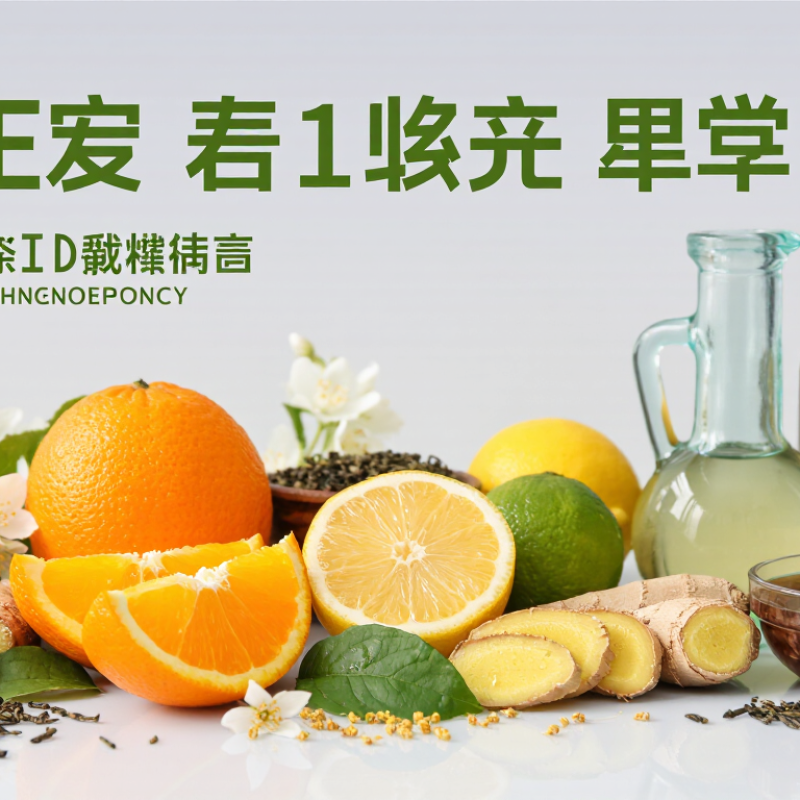
In China, natural flavors are flavoring ingredients obtained from natural raw materials through physical, enzymatic, or microbiological processes. These sources may include fruits, herbs, spices, vegetables, fermentation products, and other edible materials. The process matters as much as the source. Extraction, concentration, drying, and blending can change how an ingredient is classified.
China’s food flavor requirements are connected with national standards, including GB 2760 and related technical rules. A natural flavor must meet the applicable safety, purity, and usage requirements. “Natural” does not automatically mean healthier, cleaner, or free from processing. That assumption is common, but it needs more careful review. The final label should match the ingredient’s legal identity, permitted use, and actual composition.
Reliable evaluation requires practical documents. Check the botanical or food source, processing method, specifications, testing records, allergen information, and supply-chain traceability. For imported ingredients, Chinese labeling and registration requirements may also affect market access.
A flavor derived from citrus peel may smell bright and fresh, while a fermented ingredient can provide depth in savory foods. Small differences matter. In real projects, the source story is sometimes clearer than the regulatory category. That is why classification should be confirmed before marketing claims are written.

China commonly produces natural flavor ingredients from citrus, tea, ginger, garlic, cinnamon, star anise, and Sichuan pepper. These materials support beverages, bakery products, sauces, and savory foods. FAOSTAT production tables place China among the world’s leading producers of tea, citrus, garlic, and ginger. China’s tea output reached roughly 3.4 million tonnes in 2022, according to FAOSTAT data. Citrus production exceeded 60 million tonnes in recent reporting years. Large agricultural volumes create strong access to peels, leaves, roots, bulbs, and spices.
Citrus peel oils often provide bright orange, lemon, or mandarin notes. Tea extracts add dry, green, roasted, or floral characters. Ginger and garlic extracts deliver sharper profiles, while cassia cinnamon and star anise bring warm sweetness. UN Comtrade records substantial international trade in Chinese essential oils, spices, and botanical extracts, although trade codes do not always separate natural flavor use. That distinction matters.
In practical sourcing reviews, origin alone is not enough. Seasonal changes can alter ginger strength, tea aroma, and citrus oil composition. Freshness matters. Suppliers should verify botanical identity, extraction methods, pesticide testing, allergen controls, and batch traceability. Some extracts also carry a darker color than expected. This can affect a clear beverage. I would not treat every “natural” declaration as equally reliable. Documentation may look complete, yet sensory performance can still vary between harvests. That gap deserves careful testing.
China has strong agricultural and processing capacity for citrus oils, mint derivatives, spice oils, ginger extracts, and aromatic oils. The index below is a non-company, relative production-presence score from 0 to 100, based on the availability of source crops, established extraction or distillation practices, and documented commercial use in food and beverage flavoring. It is not a tonnage or market-share measurement.
China’s best natural flavor ingredients often begin with citrus peel, tea leaves, flowers, spices, and edible herbs. Their quality depends on the raw material, harvest timing, and storage conditions. Fresh ingredients should be cleaned quickly and protected from heat, light, and moisture. Small changes can alter aroma strength.
Manufacturers select extraction methods according to the ingredient’s chemistry. Citrus oils may be recovered through cold pressing, which preserves bright top notes. Steam distillation suits aromatic leaves and spices, but excessive heat can remove delicate compounds. Water extraction is useful for tea and botanical materials. Food-grade ethanol can capture both water-soluble and oil-soluble aromas. Supercritical carbon dioxide may produce clean extracts with limited thermal damage, although it requires careful control and higher equipment costs.
Processing does not end after extraction. Filtration removes plant particles, while concentration improves consistency. Skilled technicians check color, odor, density, and chemical profiles. Independent testing can screen for contaminants, allergens, and unwanted residues. Traceable records should connect each batch with its origin and processing conditions. No method is perfect. Over-processing may flatten a natural aroma, while insufficient processing can reduce stability. In practice, the best results come from balancing sensory character, safety, shelf life, and transparent quality controls.
| Natural Flavor Ingredient | Primary Plant Material | Main Extraction Method | Typical Processing Sequence | Important Aroma or Flavor Compounds | Common Flavor Profile | Typical Food Applications | Key Quality Considerations |
|---|---|---|---|---|---|---|---|
| Citrus Peel Oil | Sweet orange, mandarin, lemon, or pomelo peel | Cold expression or steam distillation | Fruit washing → peel separation → mechanical pressing or steam distillation → filtration → optional centrifugation and standardization | d-Limonene, linalool, citral, valencene | Fresh, juicy, sweet, and bright citrus notes | Beverages, confectionery, bakery products, dairy desserts, sauces | Oxidation control, pesticide-residue compliance, peel freshness, and protection from light and heat |
| Ginger Extract or Ginger Oleoresin | Fresh or dried ginger rhizome | Ethanol extraction, supercritical carbon dioxide extraction, or steam distillation for ginger oil | Cleaning → slicing or drying → grinding → extraction → solvent removal or separation → filtration → concentration | Gingerols, shogaols, zingiberene, citral | Warm, spicy, pungent, fresh, and slightly citrus-like | Tea beverages, sauces, meat products, bakery, confectionery, and functional foods | Raw-material moisture, gingerol-to-shogaol changes during heating and drying, and residual-solvent control |
| Green Tea Extract | Green tea leaves | Hot-water extraction or aqueous ethanol extraction | Leaf selection → milling → extraction → solid-liquid separation → concentration → spray drying or freeze drying | Catechins, caffeine, linalool, and green-leaf volatiles | Green, fresh, slightly bitter, astringent, and mildly roasted depending on processing | Ready-to-drink beverages, powdered drinks, confectionery, dairy products | Control of catechin and caffeine levels, color stability, bitterness, and protection from oxidation |
| Peppermint Oil | Peppermint leaves and flowering tops | Steam distillation | Harvesting → controlled wilting or drying → steam distillation → condensation → oil separation → filtration | Menthol, menthone, menthyl acetate, 1,8-cineole | Cooling, minty, fresh, and slightly herbaceous | Chewing gum, confectionery, oral-care foods, beverages, and flavored desserts | Menthol content, clean distillation, storage temperature, and protection from evaporation |
| Sichuan Pepper Extract | Dried fruit husks of Sichuan pepper species | Steam distillation, edible-oil extraction, or supercritical carbon dioxide extraction | Cleaning → drying → crushing → extraction → filtration → concentration or blending into a carrier oil | Linalool, limonene, citronellal, and hydroxy-alpha-sanshool | Citrusy, woody, floral, spicy, and characteristically tingling | Hot sauces, savory snacks, instant foods, meat products, and spice blends | Husk maturity, volatile-oil retention, tingling-intensity consistency, and control of oxidation |
| Turmeric Oleoresin | Dried turmeric rhizome | Ethanol extraction or supercritical carbon dioxide extraction | Cleaning → drying → milling → extraction → filtration → concentration → optional emulsification or carrier blending | Curcuminoids, turmerones, zingiberene | Earthy, warm, mildly bitter, spicy, and intensely yellow-orange | Seasonings, sauces, soups, savory snacks, beverages, and food coloring systems | Curcuminoid concentration, color uniformity, light stability, dispersibility, and residual-solvent control |
| Licorice Extract | Licorice root and stolons | Hot-water extraction | Root cleaning → cutting → aqueous extraction → filtration → vacuum concentration → drying or syrup preparation | Glycyrrhizin, liquiritin, and anethole-like sweet aromatic constituents | Sweet, deep, woody, herbal, and slightly anise-like | Confectionery, herbal beverages, sauces, seasonings, and tea products | Glycyrrhizin standardization, mineral and pesticide control, dosage management, and applicable food regulations |
| Jasmine Flower Extract | Fresh jasmine flowers | Ethanol extraction, solvent extraction, or controlled adsorption and desorption | Flower harvesting → rapid cooling or processing → extraction → filtration → solvent recovery → concentration | Benzyl acetate, linalool, indole, benzyl alcohol | Floral, sweet, green, narcissus-like, and subtly fruity | Tea beverages, confectionery, bakery fillings, dairy desserts, and drink concentrates | Very short time from harvest to extraction, low-temperature handling, aroma retention, and solvent-purity testing |
| Vanilla Extract | Cured vanilla beans | Aqueous ethanol extraction | Bean cutting → extraction in water and ethanol → maturation or maceration → filtration → concentration or standardization | Vanillin, p-hydroxybenzaldehyde, vanillic acid, and anisyl alcohol | Sweet, creamy, warm, woody, and slightly balsamic | Ice cream, bakery, chocolate, confectionery, dairy products, and beverages | Vanillin level, bean curing quality, alcohol-to-water ratio, color, and protection from heat and oxidation |
The best natural flavor ingredients in China are not judged by aroma alone. Quality begins with a clearly identified source, such as citrus peel, tea leaves, herbs, or edible flowers. Each ingredient should have a defined specification, production date, batch number, and storage condition. Traceability matters.
Chinese manufacturers should follow applicable national food safety standards, including rules for food additives, flavoring substances, and product labeling. GB 2760 is important when checking permitted uses and maximum levels. GB 30616 also provides guidance for food flavoring ingredients. Requirements can change. Buyers should verify the latest official versions.
Supplier audits should examine sanitation, pest control, allergen handling, and cleaning records. Testing may include heavy metals, pesticide residues, microorganisms, solvents, and unauthorized substances. A certificate of analysis is useful, but it is not complete proof. Independent laboratory testing provides stronger evidence. Paperwork matters.
The label should distinguish natural flavoring from other flavor categories. The declared name must match the formulation and intended food application. For example, a beverage flavor may behave differently in acidic drinks than in baked products. Pilot trials can reveal sediment, fading color, or weak aroma after heating. These details are easy to miss.
Reliable sourcing also requires sealed packaging, suitable transport, and documented recall procedures. HACCP or ISO-based systems can support control, but certification alone cannot guarantee every batch. Human review remains necessary. Some suppliers offer excellent documentation yet show inconsistent sensory performance. That gap deserves attention.
When buyers explore natural flavor ingredients in China, supplier selection matters more than a colorful product list. Local options may include citrus peel, green tea, ginger, osmanthus, mushroom, and spice extracts. Each ingredient needs a clear purpose, not just an attractive aroma.
Ask suppliers where the raw materials grow and how they are processed. A reliable supplier should provide batch traceability, specifications, allergen statements, microbiological results, and a current certificate of analysis. Request samples from different production batches. One sample proves little. Check aroma strength, color, solubility, and stability in your actual formula. Test the flavor after heating, refrigeration, and storage in the final package.
Factory communication also reveals expertise. Can the technical team explain extraction methods, carrier materials, and dosage limits in plain language? Can they adjust a profile without hiding behind vague terms? Review production records, quality controls, export experience, and response times. An on-site or independent audit is useful when volumes become serious. Smaller suppliers may offer flexibility, but their documentation can be uneven. Large facilities may provide stronger systems, yet minimum orders can be difficult for new buyers. Neither option is automatically better. A careful buyer should compare evidence, not promises. My own evaluation would leave room for error: natural ingredients can vary by harvest, and even good specifications cannot remove every seasonal change. Schedule pilot trials, agree on acceptance standards, and keep retained samples from every approved batch.
(Your form has been submitted.)
We'll be in touch soon! Until then, take a look around — you never know what you'll find!