Why Choose Vanilla Concentrate for Global Sourcing?

Global sourcing decisions often begin with a practical question: can vanilla concentrate deliver dependable flavor at scale? For beverage, dairy, bakery, and confectionery manufacturers, the answer depends on more than price. It involves origin, extraction quality, batch consistency, storage stability, and supplier transparency. Vanilla concentrate can provide a measurable flavor profile while reducing the handling challenges associated with whole beans. It may also simplify production when recipes require repeatable dosing across several facilities.

Patricia Rain, known as “The Vanilla Queen,” states, “Vanilla is the only edible fruit of an orchid.” Her observation connects the ingredient with both natural complexity and agricultural sensitivity. Each pod reflects climate, curing skill, harvest timing, and careful processing. A responsible buyer should ask for origin details, specifications, allergen information, testing records, and traceability documents. Samples should be evaluated in the final application, not only in a glass vial. Warm custard, clear syrup, and baked dough can reveal very different flavor behaviors.

The decision is not automatic. Concentrate quality varies widely. Some products may appear economical but lose character during processing or storage. Others may offer rich aroma yet lack consistent documentation. That is a real risk.

Global sourcing works best when purchasing teams compare sensory performance, technical data, supplier communication, and long-term reliability together. A small retained sample can expose unexpected sediment or fading notes months later. Better sourcing is therefore a disciplined process, not a quick transaction. Vanilla concentrate becomes valuable when its flavor, origin, and performance remain trustworthy from the first trial to the finished product.

Why Choose Vanilla Concentrate for Global Sourcing?

What Is Vanilla Concentrate and How Is It Made?

Why Choose Vanilla Concentrate for Global Sourcing?

What Is Vanilla Concentrate and How Is It Made?

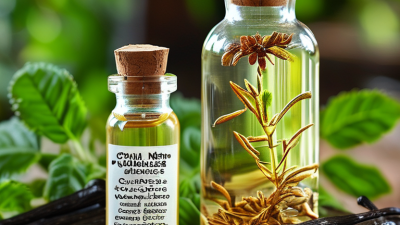
Vanilla concentrate is a strong flavor extract made from cured vanilla beans. It contains the bean’s aromatic compounds in a smaller volume. This makes storage, shipping, and recipe adjustment more efficient. It is not simply vanilla powder mixed with water.

Manufacturers usually inspect, clean, and cut the beans before extraction. The pieces are soaked in a food-grade solvent, often water, ethanol, or both. Time and temperature help draw out vanillin and other natural flavor compounds. The liquid is then filtered and gently reduced to reach the required strength. Some products use water-based extraction for specific applications.

The process needs careful control. Excessive heat can flatten delicate notes. Weak filtration may leave sediment or create an uneven texture. Every batch can differ slightly. That matters.

For global sourcing, buyers should request the extraction method, concentration ratio, ingredient statement, and test results. Traceable records can confirm origin, processing dates, and food-safety controls. Sensory checks also help: a good concentrate should show clear vanilla aroma, balanced sweetness, and no harsh solvent note. Concentrate can improve consistency, but it does not remove the need for responsible supplier evaluation. Some specifications still need refining after pilot trials.

Which Vanilla Concentrate Types Suit Different Global Sourcing Needs?

Vanilla concentrate fits global sourcing when buyers need consistent flavor, compact shipping, and flexible formulation. The right type depends on the product. Water-soluble concentrate suits beverages, syrups, dairy drinks, and clear desserts. It disperses quickly and reduces oily rings in bottled products. Oil-soluble concentrate performs better in chocolate, fillings, ice cream, and bakery fats. Its aroma stays noticeable after heating. Alcohol-carried concentrate can deliver a sharper, familiar vanilla profile, but transport, labeling, and destination requirements need careful review. Vanilla oleoresin offers deeper color and body, although it may create sediment or visual variation.

Start with the application. Not the price. Grand View Research estimated the global vanilla market at approximately USD 3.8 billion in 2023, with further growth expected through 2030. This growth increases pressure on supply continuity and authentic flavor claims. USDA Foreign Agricultural Service updates identify Madagascar as the leading vanilla supplier while noting weather, curing, and export risks. For buyers, a blended-origin concentrate may provide better continuity than relying on one harvest region. That choice can reduce aroma variation, but it may weaken a strong origin story.

Tips: Request a certificate of analysis, origin details, vanillin data, solvent information, microbiological results, and shelf-life evidence. Test samples in the final recipe, not only in water. In my experience, a concentrate that smells excellent in a sample bottle can become flat after baking or acidic processing. I still see buyers overlook packaging compatibility. That mistake is expensive. Compare dosage, yield, color, and sensory performance per finished unit. Then verify destination-market labeling rules before signing a long-term supply agreement.

Why Choose Vanilla Concentrate for Global Sourcing?

Which vanilla concentrate types suit different global sourcing needs?

Relative suitability benchmark, rated from 1 to 5. Vanilla extract is a liquid flavor solution, oleoresin provides concentrated vanilla solids, bean paste adds visible vanilla particles, and natural vanillin concentrate supports standardized flavor delivery. Scores are planning benchmarks based on common format characteristics, not market-share or company data.

How Does Vanilla Concentrate Support Consistent Product Quality?

Vanilla concentrate supports consistent product quality by reducing variation between production lots. Natural vanilla changes with harvest, curing, moisture, and origin. The USDA Foreign Agricultural Service identifies Madagascar as the dominant vanilla source, supplying about four-fifths of global natural vanilla in recent years. That concentration creates supply risk. A standardized concentrate can help manufacturers manage it.

Quality teams should compare more than aroma. They should review vanillin concentration, soluble solids, color, viscosity, moisture, and microbiological results. Each lot needs a clear certificate of analysis and a retained sample. The FDA’s 21 CFR 169.175 sets a useful reference for vanilla extract: at least 35% alcohol and 13.35 ounces of vanilla beans per gallon. Concentrates may follow different specifications, but this rule shows why measurable inputs matter. ISO 5565 also provides recognized guidance for vanilla quality and sampling.

Consistency is not automatic. It depends on blending controls, storage temperature, packaging, and traceability. A concentrate that looks dark and rich may still perform poorly after baking. Heat can reduce delicate aromatic notes. Sugar, fat, and acidity can change perception. That is why pilot trials should test the real formula, not only a laboratory dilution. A clean COA is helpful. It is not proof of perfect flavor. Sourcing teams should also question whether one specification fits every application; beverage, dairy, and bakery products may need different strength targets.

What Factors Affect Vanilla Concentrate Sourcing and Pricing?

Why Choose Vanilla Concentrate for Global Sourcing?

What Factors Affect Vanilla Concentrate Sourcing and Pricing?

Vanilla concentrate can simplify global sourcing. It offers consistent dosing, easier storage, and reduced handling compared with whole beans. However, price is not determined by aroma alone. The Centre for the Promotion of Imports (CBI) reports that Madagascar supplies most of the world’s natural vanilla. This concentration creates exposure to cyclones, harvest delays, and local policy changes. ITC Trade Map data also shows Madagascar’s leading position in international vanilla exports. Origin risk matters.

Quality specifications strongly influence concentrate pricing. Buyers should examine vanillin content, moisture, extraction ratio, colour, viscosity, and microbiological results. A dark concentrate is not automatically stronger. Processing yield can vary between batches. Crop shortages usually raise bean prices, while freight costs and currency movement affect delivered costs. Contract length matters too. Spot buying may look cheaper, but it can create unstable production planning. USDA and FAO agricultural reporting also show how weather disruptions can quickly affect tropical crop availability, although vanilla data remains less detailed than data for major commodities. That limitation deserves attention.

Tips: Request a retained sample, batch specification, certificate of analysis, and traceability documents before approval. Compare prices per kilogram of finished concentrate, not per kilogram of vanilla beans. Include freight, duties, testing, and minimum order quantities. A practical pilot run can reveal flavour drift that paperwork misses. Be cautious with unusually low offers. They may reflect weaker concentration, older inventory, or incomplete cost details. Supplier diversification is sensible, but it may reduce flavour uniformity. That trade-off is easy to underestimate.

How Should Businesses Evaluate International Vanilla Concentrate Suppliers?

Global vanilla concentrate sourcing requires more than comparing price per kilogram. Supplier evaluation should begin with origin, extraction method, and product consistency. The USDA Foreign Agricultural Service’s 2024 Madagascar report estimates national vanilla production at about 3,100 metric tons, showing how strongly global supply depends on one region. Weather, curing capacity, and port delays can quickly affect availability.

Ask suppliers for batch-specific certificates of analysis, not generic templates. Check vanillin content, soluble solids, microbial limits, allergens, residual solvents, and moisture. Review whether the concentrate uses water, alcohol, or another approved extraction medium. ISO 22000 or HACCP-based controls provide useful evidence, but certificates alone prove little. Audit records, corrective actions, and traceability deserve closer attention.

Trade Map data also shows sustained international movement of vanilla products, but trade value does not guarantee concentrate quality. Request three production samples from different batches. Compare aroma after dilution, color stability, sediment, and performance in your actual formula. Keep the test practical. A supplier should explain minimum order quantities, shelf life, temperature controls, and realistic lead times. Ask about crop-year pricing, too.

One sourcing weakness is overtrusting polished documents. I have seen specifications look excellent while samples perform unevenly. That gap matters. Require independent laboratory testing before approval, and review supplier performance quarterly. A slightly higher unit price may be reasonable when traceability, stable flavor, and dependable delivery reduce reformulation risk. Yet “premium” still needs measurable proof.

Partners in
Sustainability

Learn More
National Forest Foundation
Upcycled Food