Organic flavor powder is becoming a practical ingredient for manufacturers seeking recognizable taste, convenient handling, and cleaner-label positioning. It is usually made by drying organic fruit, herbs, spices, or natural flavor extracts into a fine powder. The result may dissolve in beverages, disperse through bakery mixes, or coat snack seasonings. Tiny particles. Strong aroma.
Food scientist Dr. Kantha Shelke has emphasized an important distinction: “Organic does not automatically mean healthier.” Her point matters here. Organic certification describes how ingredients are grown, processed, and handled. It does not guarantee better flavor, stronger nutrition, or a perfect formulation. Quality still depends on the source crop, drying method, carrier ingredients, moisture control, and storage conditions.
In this guide, we will examine what organic flavor powder contains and how manufacturers use it. A strawberry powder may add color and tartness to yogurt, while a vanilla powder can bring warmth to protein blends or baked goods. Citrus powders can brighten drink mixes without adding liquid. Practical testing remains essential. Some powders clump. Others fade during heating. A pleasant aroma in the package may not survive processing.
That is where technical judgment becomes important. Buyers should review organic certification, ingredient declarations, allergen controls, microbial testing, and recommended usage levels. They should also compare the powder’s flavor strength against the finished product’s requirements. Organic flavor powder sounds straightforward. It is not always simple. Performance, authenticity, and compliance must work together.
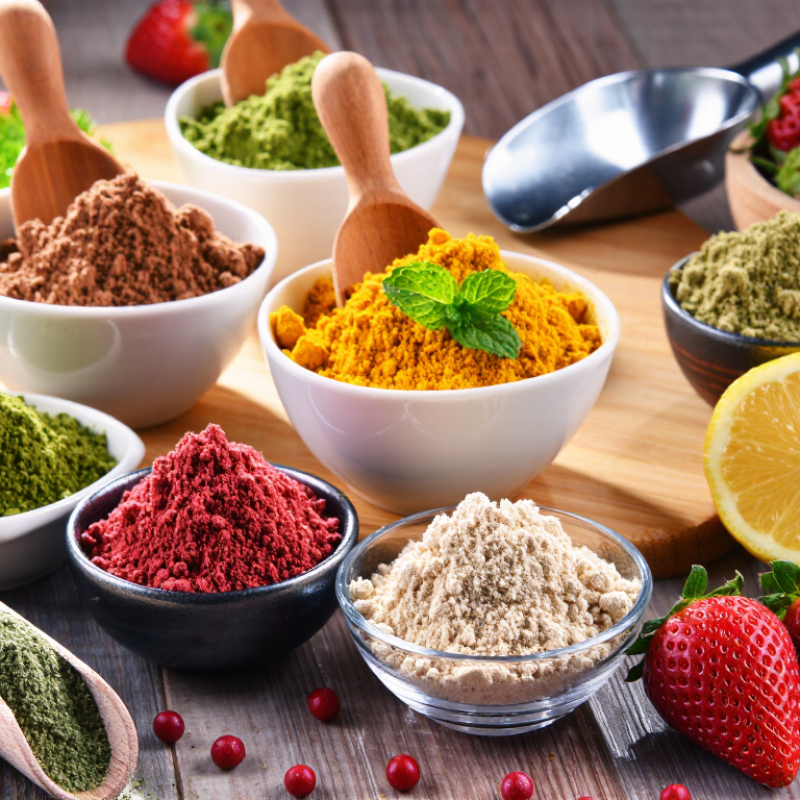
Organic flavor powder is a dry flavoring ingredient made from organically grown plant materials, such as fruits, herbs, spices, or botanical extracts. Manufacturers usually remove moisture through spray-drying or another controlled drying method. The result is a fine powder that stores and blends more easily than liquid flavoring.
Its core characteristics include a recognizable natural aroma, low moisture, consistent particle size, and compatibility with dry mixes. Some powders also contain organic carriers, such as starch or fiber, to improve stability and flow. “Organic” does not automatically mean stronger, cleaner, or better tasting. Certification rules vary by market, so buyers should check certificates, ingredient lists, and batch records. In product trials, I have found that aroma can fade during heating. This detail is easy to miss.
Tips: Start with a small dosage. Mix the powder into flour, protein blends, sauces, or beverage bases before increasing the amount. Check for clumping after storage. A cool, dry place helps protect flavor quality. Compare the powder before and after processing, because the final taste may change. Sensory testing still matters.
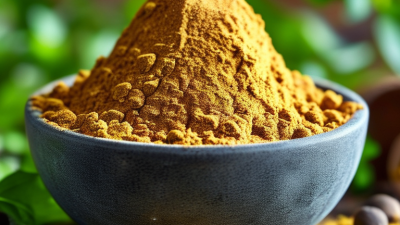
Organic flavor powder is a dry ingredient made from approved organic flavor sources. It may come from fruit, herbs, spices, or other permitted materials. Producers first inspect and clean the raw materials. Extraction may use water, steam, or another permitted process. The liquid flavor is then concentrated and spray-dried with a suitable organic carrier. This creates a free-flowing powder with stable moisture and a clear aroma. It works well in beverage mixes, bakery fillings, seasoning blends, and nutrition products.
Certification requires more than an organic-looking label. An accredited certifier reviews suppliers, processing records, sanitation procedures, storage areas, and mass-balance documents. Each lot should remain traceable from its approved source to the finished package. Auditors may check pesticide controls, allergen separation, cleaning logs, and transport conditions. Testing can examine moisture, microbial safety, identity, and unexpected residues. Requirements vary by market, so one regional certificate may not satisfy another. This detail is often overlooked.
Tips: Ask for the current certificate and confirm its scope. Check whether it covers the flavor, carrier, and processing site. Request specifications, lot numbers, and recent test results. Store the powder sealed, cool, and dry. A small trial is wise because aroma may fade after opening. Organic status does not guarantee perfect taste. Formulation still needs careful adjustment.
USDA organic labeling thresholds relevant to flavor powders made from agricultural ingredients
Organic flavor powder is a dry flavoring ingredient produced from organic botanical, fruit, spice, or other agricultural sources. Common production steps include ingredient approval and traceability, extraction or concentration, drying by methods such as spray drying or freeze-drying, milling, sieving, and contamination-control checks.
The chart uses the USDA organic labeling framework. Products labeled “100% Organic” must contain 100% organic ingredients, while “Organic” requires at least 95%. “Made with Organic” requires at least 70%; products below 70% may identify specific organic ingredients in the ingredient statement but cannot use an organic claim on the main display panel.
Organic flavor powder is made by drying approved organic ingredients and milling them into a fine, concentrated powder. Common ingredients include fruit, vegetables, herbs, spices, cocoa, and natural sweeteners. Some formulas also use organic carriers, such as tapioca starch, to improve flow and prevent clumping. The exact recipe matters.
Flavor categories shape how the powder performs. Fruit powders add bright notes to yogurt, smoothies, and baked goods. Vegetable powders bring earthy color and mild savory depth to soups or sauces. Herb and spice powders create sharper aromas for marinades, snacks, and seasoning blends. Cocoa and vanilla powders suit desserts and drinks. In practical testing, a small amount can change a whole recipe. Too much may taste dusty, bitter, or strangely flat. That is an easy mistake to make.
Tips: Check the ingredient list, organic certification, moisture level, and allergen statement before buying. Start with a small pinch, then increase gradually. Test the powder in the final recipe, not only in water. Powders can taste strong when dry but softer after baking or blending. Organic does not automatically mean sugar-free, allergen-free, or nutritionally superior. Shelf life also depends on sealed packaging and dry storage. Keep notes during testing; memory is unreliable.
| Flavor Category | Typical Organic Flavor Sources | Common Flavor Profile | Typical Food and Beverage Applications | Common Powder Components | Formulation and Use Notes |
|---|---|---|---|---|---|
| Citrus | Organic lemon, orange, lime, grapefruit, or bergamot extracts; citrus oils; fruit concentrates | Bright, fresh, tangy, zesty, and sometimes slightly bitter |
|
Organic flavor extract or oil, often combined with an organic carrier such as acacia gum, maltodextrin, or tapioca-based solids | Citrus oils are sensitive to oxidation and may require light-, oxygen-, and moisture-protective packaging. |
| Berry and Other Fruit | Organic strawberry, raspberry, blueberry, cherry, apple, mango, peach, or pineapple extracts and concentrates | Sweet, tart, juicy, ripe, floral, or tropical |
|
Fruit juice or fruit extract solids, organic carrier solids, and sometimes organic fruit powder for color and flavor support | Fruit powders can contribute acidity, color, and hygroscopicity; moisture control is important for free-flowing performance. |
| Vanilla and Sweet Aromatic | Organic vanilla extract, vanilla bean, cocoa, caramelized sugar, cinnamon, or sweet spice extracts | Warm, creamy, sweet, woody, toasted, or lightly spicy |
|
Organic extractives or spice powders with a drying carrier such as acacia gum, tapioca solids, or organic maltodextrin | Vanilla and cocoa notes may be affected by heat and processing time; flavor dosage should be adjusted for the intensity of the base. |
| Herbal and Botanical | Organic mint, basil, rosemary, thyme, lavender, sage, or botanical extracts | Fresh, green, cooling, floral, pine-like, earthy, or savory |
|
Botanical extracts, dried herb powders, or essential-oil preparations dispersed onto a suitable organic carrier | Botanical intensity can vary by plant variety, harvest, and extraction method; some essential oils require careful dosage. |
| Spice and Warm Spice | Organic cinnamon, ginger, cardamom, clove, nutmeg, turmeric, paprika, black pepper, or chili extracts and powders | Warm, pungent, peppery, earthy, sweet, smoky, or mildly hot |
|
Ground organic spices, oleoresins, extracts, and carrier solids used to improve dispersion and consistency | Spice powders may affect color, heat level, and sedimentation; sieving and uniform blending help improve batch consistency. |
| Chocolate and Roasted | Organic cocoa powder, roasted coffee extract, toasted grain extracts, or roasted nut flavor preparations | Cocoa-like, roasted, nutty, toasted, bitter, and rich |
|
Cocoa or roasted extract solids, sometimes blended with organic carriers and complementary sweet aromatic flavors | Roasted ingredients may darken the product and can introduce bitterness; sweetness and acidity often need balancing. |
| Nuts and Seeds | Organic almond, coconut, hazelnut, peanut, sesame, or other permitted nut and seed flavor sources | Creamy, nutty, toasted, buttery, or mildly sweet |
|
Nut or seed extracts, powders, oils, or flavor preparations delivered in a dry carrier system | Allergen management is essential when using nut or seed-derived ingredients, including segregation, labeling, and validation. |
| Savory and Umami | Organic mushroom, tomato, onion, garlic, celery, yeast, or fermented vegetable flavor sources | Savory, brothy, earthy, roasted, fermented, or umami-rich |
|
Vegetable powders, yeast-based flavor ingredients, mushroom extracts, spice powders, and organic anti-caking or carrier systems | Salt, acidity, and moisture can strongly influence savory flavor release and shelf stability. |
| Fermented and Dairy-Type | Organic cultured ingredients, fermented sugar or grain substrates, butter-type flavor preparations, or cultured plant ingredients | Creamy, buttery, tangy, cheesy, cultured, or mildly sour |
|
Fermented flavor components, organic carriers, acids, and complementary savory or dairy-style flavor ingredients | The final label and organic status depend on the source materials, processing aids, and certification requirements in the target market. |
| General Powder Function | Spray-dried, vacuum-dried, freeze-dried, or otherwise dried organic flavor preparations | Concentrated flavor released after blending or rehydration |
|
Flavor source plus a carrier or encapsulation material; optional flow aids may be used where permitted and properly declared | Flavor powders improve transport, dosing, and dry blending, but performance depends on particle size, water activity, solubility, storage humidity, and the intended application. |
Organic flavor powder is a dry ingredient made from flavoring materials processed into a stable powder. The term “organic” usually refers to certified agricultural ingredients. It does not automatically mean the powder is nutritious or completely natural. Check the certification, processing details, and full ingredient list.
In food, manufacturers blend it into oatmeal, yogurt, bakery mixes, snack coatings, and instant desserts. A berry powder can add aroma, color, and mild acidity to a morning snack. It also disperses more easily than liquid flavoring in dry recipes. However, heat may weaken delicate fruit notes. Testing small batches is wise.
Beverage makers use organic flavor powder in tea blends, drink mixes, smoothies, and powdered hydration products. It can provide consistent flavor without adding much liquid. Some powders contain carriers, sweeteners, or anti-caking agents, so the label deserves careful attention. Stirring technique matters. Lumps are common in cold water.
Supplement manufacturers may use these powders to improve the taste of protein blends, vitamin drinks, and botanical formulas. Flavoring can make regular use easier, but it does not prove a product’s effectiveness. Review serving sizes, allergens, and possible interactions with qualified professionals. One practical mistake is adding too much powder at once. The result can taste artificial, dusty, or overly sharp.
Organic flavor powder is made from dried fruits, herbs, spices, or other approved natural sources. It can flavor beverages, bakery products, sauces, and nutrition mixes. Because the powder contains little moisture, it may look stable. It still needs careful handling.
Store it in a tightly closed, food-grade container. Keep the container cool, dry, and away from direct light. A pantry is usually better than a refrigerator, where condensation can form after opening. Use a clean, completely dry scoop each time. Moisture can cause clumping, stale flavors, or microbial growth. Do not return unused powder to the original container. Check the best-before date, but remember that it is not a magic safety guarantee.
Clear labeling supports safer use. The label should identify every ingredient, potential allergens, net quantity, lot code, and best-before date. It should also state storage conditions and preparation instructions when dilution is required. Organic wording must match the applicable certification rules in the selling market. A product cannot be called organic merely because its flavor source is natural. Certification details matter.
In production settings, I would also verify supplier documents and inspect the seal before opening. Damaged packaging deserves caution. If the powder smells sour, shows unexpected discoloration, or absorbs visible moisture, discard it. One detail is easy to miss: shared scoops can transfer allergens between containers. Small handling errors create real safety problems.
(Your form has been submitted.)
We'll be in touch soon! Until then, take a look around — you never know what you'll find!