Blog
Blog
Choosing an organic flavor powder supplier takes more than comparing price lists. Buyers need clear evidence of organic certification, ingredient traceability, batch consistency, and practical support. A vivid berry powder should smell like fruit when a bag is opened—not merely look bright on a specification sheet.
The Organic Trade Association’s 2024 Organic Industry Survey reported U.S. organic sales of $69.7 billion in 2023, up 3.4% from 2022. This signals continuing demand for organic products, but it does not measure organic flavor powder sales specifically. That distinction matters. Supplier claims should be checked against product documentation, sample testing, and the buyer’s intended application.
There is one limitation: no verifiable, named flavor-industry expert quotation was provided for this introduction. I will not invent one. This guide instead focuses on evidence buyers can request from China’s top suppliers: current certificates, ingredient origin, moisture and solubility specifications, allergen controls, and representative samples. Powder performance can vary between batches. A small sample can reveal problems that polished brochures cannot. The supplier comparison ahead is designed to help buyers ask sharper questions before placing an order.
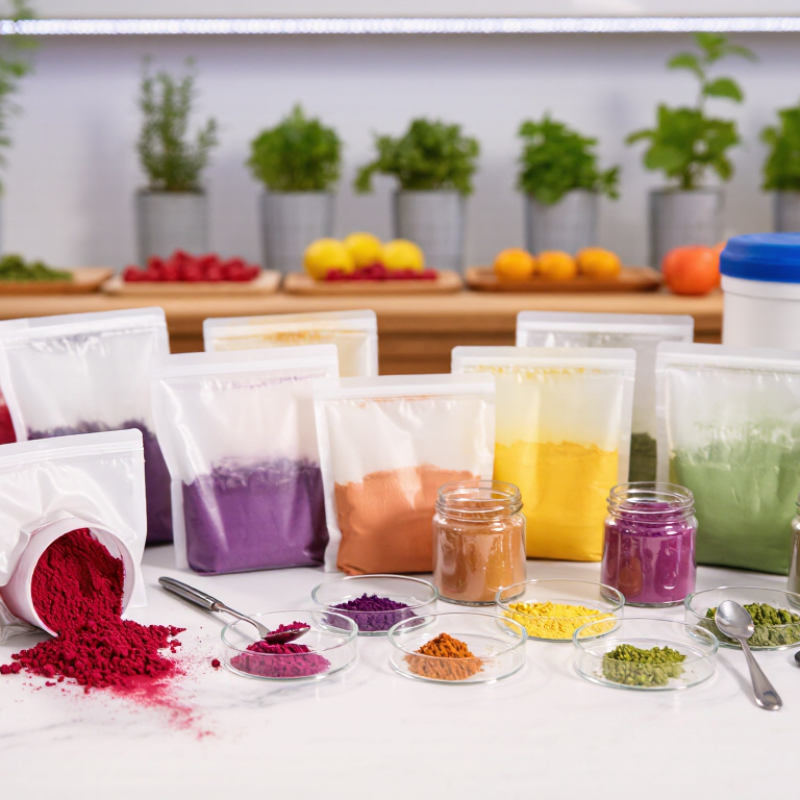
Organic flavor powders deliver aroma and taste in a dry, easy-to-dose format. Depending on the formulation, they may combine flavor components with carriers that help disperse them. Check the full ingredient specification, not only the front-label claim. Carrier choice can affect solubility, flow, and how strongly flavor comes through after cooking. Small details matter.
Applications vary by product. A citrus powder may suit a drink mix, while roasted notes can complement savory snacks or seasoning blends. In baking, heat and moisture can soften delicate aromas, so bench trials should reflect the actual recipe and process. Start with a measured dose, then taste the product after its intended preparation. A sample can smell vivid in the pouch and seem muted in a finished biscuit.
For buyers comparing suppliers, request current organic documentation, ingredient details, allergen information, and guidance on storage and use. Confirm that the documentation fits the destination market and the product claim you plan to make. Ask for samples from the intended production specification, where available. Batch variation is possible, and a promising first test is not a guarantee of identical results at scale. That deserves a second look. Keep notes on dosage, processing temperature, and sensory changes; they make supplier discussions more precise.
Buyer-oriented guide to ten commonly used organic flavor powder ingredients and their applications. This is not a ranked supplier list; availability and organic certification depend on the specific product and supplier.
| Organic Powder | Typical Flavor Profile | Common Applications | Buyer Checks |
|---|---|---|---|
| Apple powder | Sweet, fruity, and mildly tart | Beverage mixes, bakery products, snack coatings, and cereal blends | Check fruit content, moisture, color, and whether a carrier is included. |
| Banana powder | Sweet, ripe banana notes | Smoothie mixes, infant and toddler foods where permitted, bakery mixes, and confectionery | Confirm whether it is made from whole fruit or juice, and review flowability and carrier details. |
| Blueberry powder | Sweet-tart berry flavor | Drink powders, yogurt preparations, cereals, bars, and bakery fillings | Ask about fruit content, color consistency, moisture protection, and processing method. |
| Strawberry powder | Sweet, aromatic, and lightly tart | Dessert mixes, dairy-style products, smoothies, confectionery, and snack seasonings | Check flavor intensity, color specifications, and whether the ingredient list includes a carrier. |
| Mango powder | Tropical, sweet, and tangy | Instant beverages, sauces, fruit snacks, bakery products, and seasoning blends | Confirm the form of mango used, acidity, moisture level, and intended solubility. |
| Lemon powder | Citrus aroma with a bright, sour taste | Beverage mixes, baked goods, confectionery, marinades, and dry seasonings | Distinguish fruit powder from juice powder or flavor blends; verify acidity and carrier ingredients. |
| Cocoa powder | Roasted cocoa flavor, ranging from mild to intense | Chocolate drinks, bakery mixes, desserts, snack coatings, and confectionery | Specify natural or alkalized cocoa, fat content, allergen controls, and applicable organic documentation. |
| Ginger powder | Warm, pungent, and spicy | Tea and beverage mixes, bakery products, sauces, and spice blends | Request particle-size and pungency specifications, along with contaminant and microbiological test information. |
| Cinnamon powder | Sweet, woody, and warming | Baked goods, breakfast foods, beverages, desserts, and spice mixes | Confirm cinnamon type, flavor strength, origin documentation, and relevant contaminant testing. |
| Vanilla powder | Sweet, creamy, and aromatic | Bakery products, desserts, beverage mixes, dairy-style foods, and confectionery | Check whether it contains ground vanilla, extract solids, or added carriers; review the full ingredient declaration. |
Organic status applies to the product only when supported by valid certification for the relevant market and supply chain. Before purchasing, request the certificate and scope, ingredient specification, allergen statement, country-of-origin information, and recent safety test results. Fruit and flavor powders may contain carriers or other ingredients, so review the complete composition.





(Your form has been submitted.)
We'll be in touch soon! Until then, take a look around — you never know what you'll find!